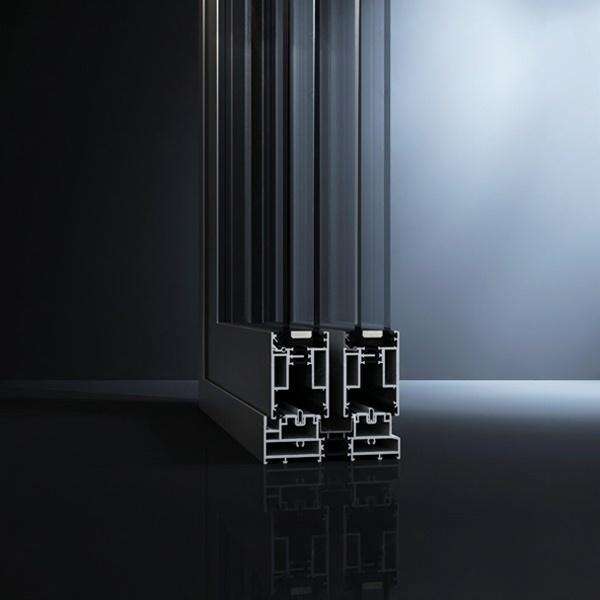
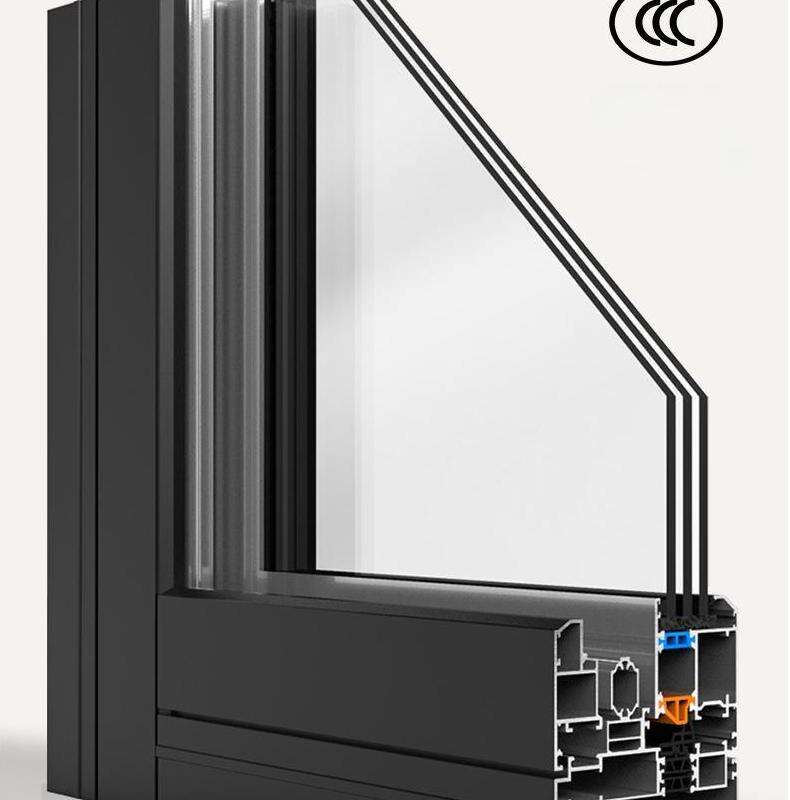
Revolutionêre Termiese Breektegnologie vir Maksimum Energie-doeltreffendheid
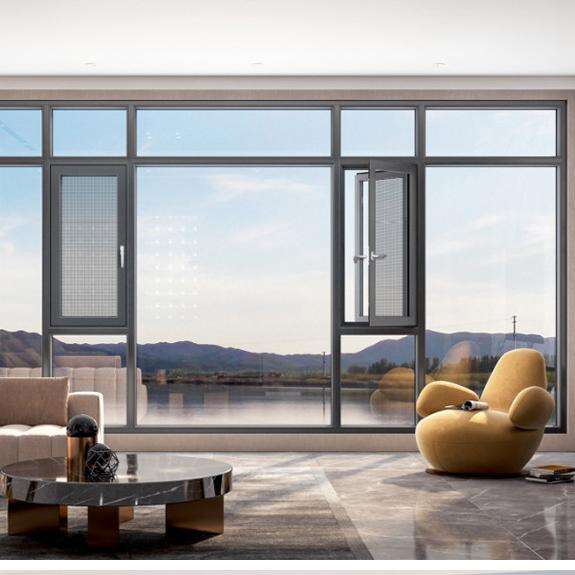
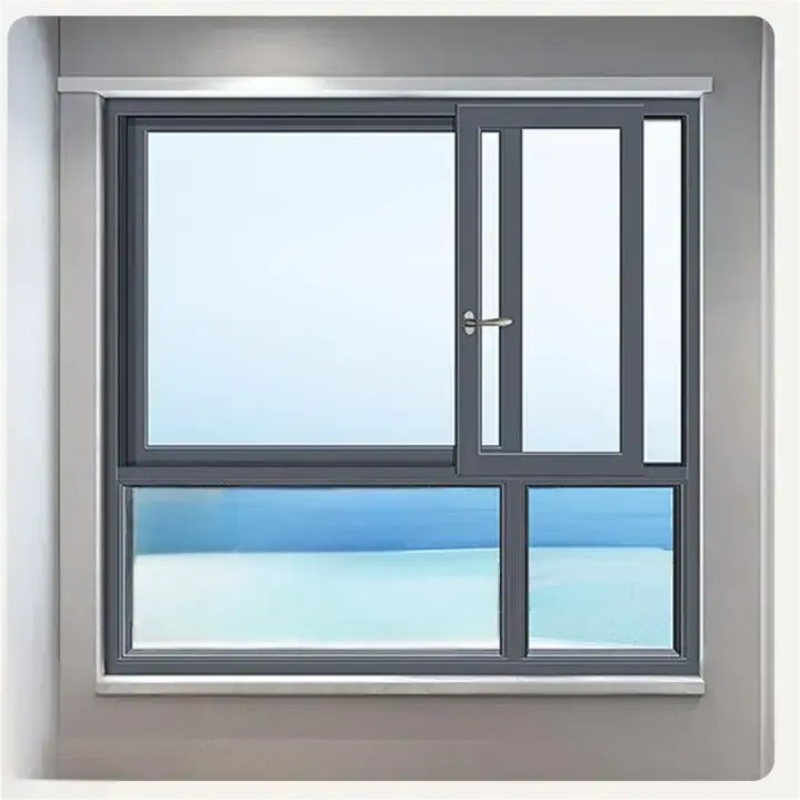
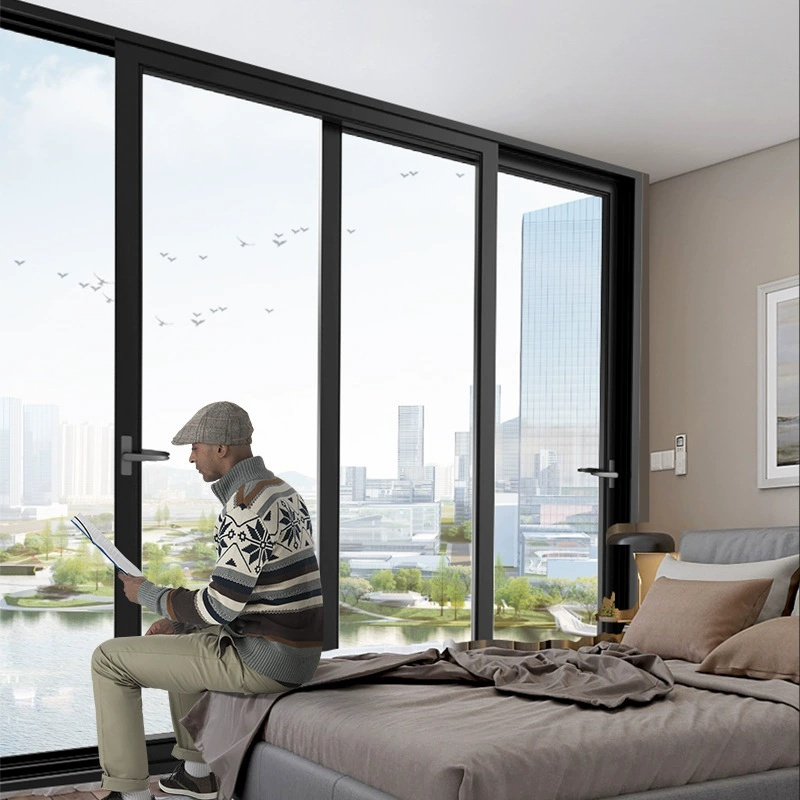
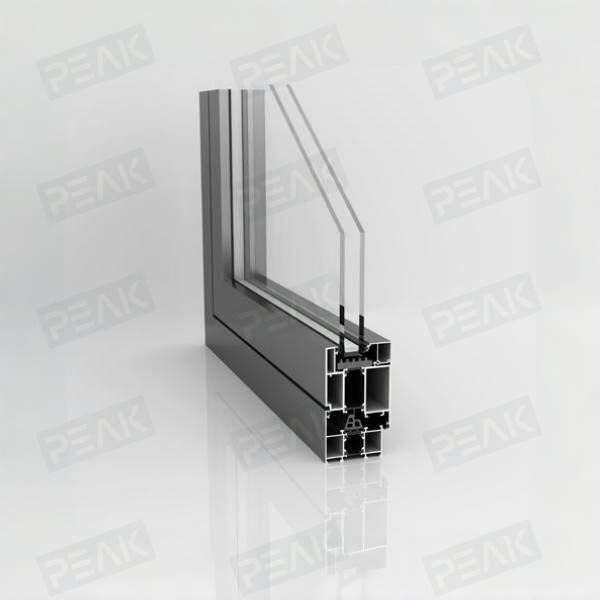
Die termiese breektegnologie wat geïntegreer is in kantelglijdende termiese breek aluminium deure en vensters, verteenwoordig 'n baanbrekende innovasie wat fundamenteel verander hoe hierdie stelsels energie-oordrag hanteer. Tradisionele aluminium raamwerke tree op as termiese geleiers, wat hitte en koue toelaat om vrylik deur die metaalstruktuur te beweeg, wat lei tot beduidende energieverliese en verminderde komfortvlakke. Die termiese breekstelsel onderbreek hierdie energiepad deur gespesialiseerde isolerende materiale, gewoonlik poliamied-strepe of skuimkerne, strategies binne die aluminiumprofielstruktuur te inkorporeer. Dit skep 'n effektiewe barrière wat termiese brugging voorkom terwyl die strukturele integriteit van die raam behoue bly. Die resultaat is 'n dramatiese verbetering in termiese prestasie, met U-waardes wat dikwels daal van 3,5-4,0 W/m²K in standaard aluminium raamwerke na 1,2-1,8 W/m²K in termiese breekstelsels. Hierdie verbetering vertaal direk na beduidende energiebesparings vir geboubewoners, met verminderde verwarmings- en koelbehoeftes gedurende die jaar. Die tegnologie werk ewe doeltreffend in ekstreme klimaatstoestande, of dit nou hitteverlies tydens wintermaande voorkom of ongewenste hitte-instroom tydens somerperiodes blokkeer. Gevorderde vervaardigingstegnieke verseker presiese posisiebepaling van termiese breek-elemente, wat konsekwente prestasie oor die hele raamstruktuur moontlik maak. Die isolerende materiale wat in termiese breekkonstruksie gebruik word, is spesifiek ontwerp om die termiese uitsetting- en inkrimping-siklusse waaraan aluminiumraamwerke onderworpe is, te weerstaan, en sorg so vir langtermyn prestasiestabiliteit. Hoë-kwaliteit termiese breekstelsels ondergaan streng toetsing om hul prestasie onder verskillende temperatuurtoestande en strukturele lasse te verifieer. Die belegging in termiese breektegnologie lewer uitbetalinge deur verlaagde nutsdienste-koste, verbeterde komfortvlakke en verbeterde eiendomswaardes. Gebou-eienaars herwin dikwels die addisionele koste binne 3-5 jaar slegs deur energiebesparings, wat kantelglijdende termiese breek aluminium deure en vensters 'n ekonomies gesonde keuse maak vir beide nuwe konstruksie en renoveringsprojekte.
 EN
EN