
 EN
EN
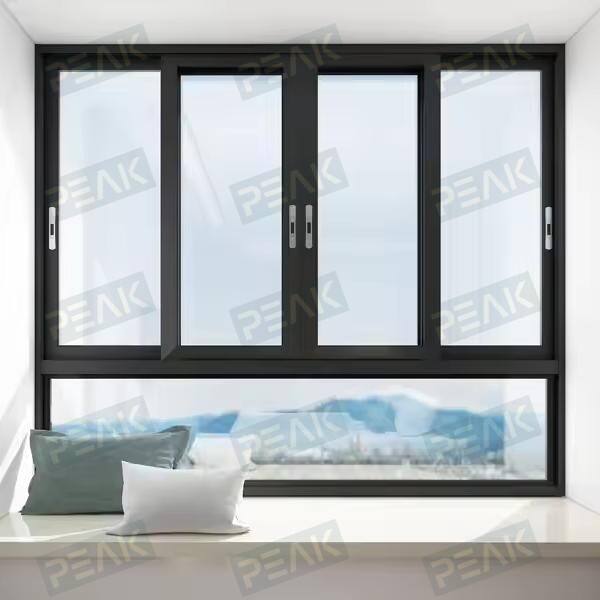
How Thermal Break Technology Enhances Heat Insulation
The Science Behind Thermal Break Aluminum Frames
Thermal break tech represents a smart way to tackle heat transfer issues in aluminum frames by inserting insulating materials right where they're needed most. These breaks usually contain stuff like polyamide, which doesn't conduct heat well at all. When installed properly, aluminum windows with thermal breaks stop energy from escaping and help keep rooms at a steady temperature no matter what's going on outside. Research backed by the US Department of Energy shows just how effective this approach really is when it comes to creating comfortable living spaces. At the heart of this technology lies something called thermal conductivity, measured in those weird units we see everywhere - Watts per meter Kelvin (W/mK). Basically, materials with lower numbers here act as better barriers against heat moving through them. That's why thermal break frames made with these principles become so important for anyone looking to save money on heating bills without sacrificing comfort levels inside their homes.
Polyamide Insulation: Breaking the Thermal Bridge
Polyamide is becoming increasingly important for addressing thermal bridging issues in aluminum windows because it conducts heat so poorly. The material works great in thermal break frames where it creates a barrier between the interior and exterior parts of the window frame. This stops heat from flowing straight through the metal, which makes these windows much better at insulating buildings. According to various engineering tests, windows with polyamide insulation maintain more stable temperatures inside buildings while using less energy overall. This means building owners spend less money on heating and cooling systems. Some recent studies suggest that buildings equipped with these improved window systems can cut their energy consumption by around 30%. As countries around the world push for greener construction practices, materials like polyamide are helping architects meet stricter energy efficiency standards without compromising on durability or performance.
Impact of Multi-Pane Glazing & Low-E Coatings
Windows with multiple panes have become pretty standard these days for good reason. The space between the glass layers acts as insulation, slowing down how quickly heat moves through them. ASHRAE studies back this up, showing just how much better insulated windows keep temperatures stable inside buildings. Then there are those special Low-E coatings on some glass that bounce heat back into rooms instead of letting it escape, which saves energy while still allowing plenty of daylight to come through. When builders combine these glazing techniques with thermal breaks in the frame materials, they get windows that perform far better than older models. Homeowners notice the difference in both their utility bills and overall comfort levels during extreme weather conditions.
Key Benefits of Thermal Break Aluminum Windows
20-50% Reduction in Energy Costs
Aluminum windows with thermal breaks can really cut down on energy usage, sometimes slashing consumption between 20% and 50% when compared to those old single pane models. The numbers don't lie about how important these windows are for keeping buildings efficient, especially where winters get cold or summers turn hot. Take a look at actual case studies from building energy assessments and we see similar results across the board. Both homes and businesses report noticeable drops in their heating and air conditioning expenses after switching to this type of window. And let's face it, saving money month after month on utility bills makes all the extra upfront cost worthwhile for most property owners looking to invest smartly in their long term comfort and wallet health.
Superior Noise Insulation for Quiet Interiors
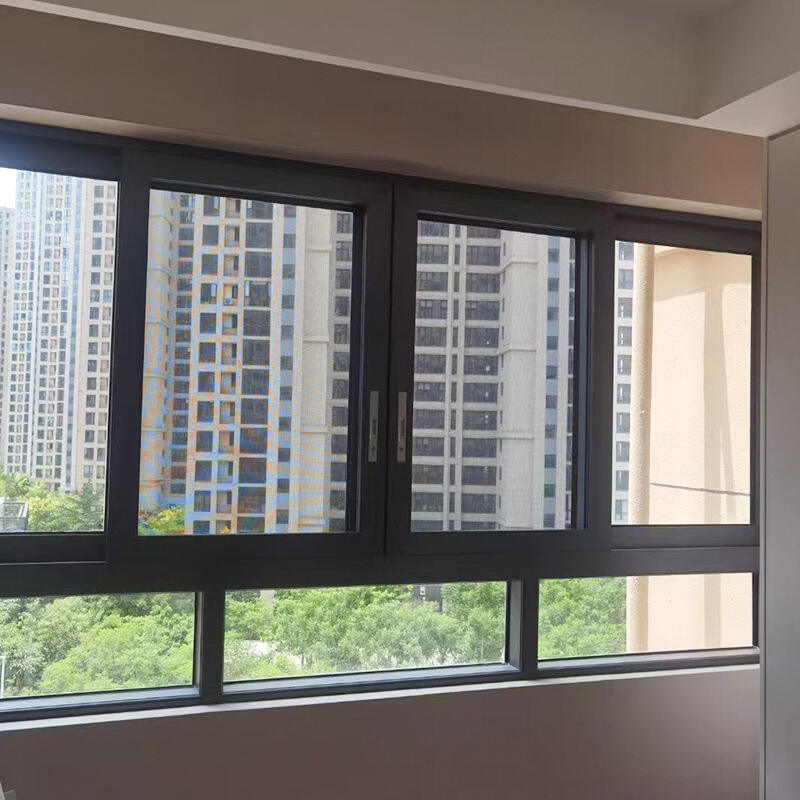
Thermal break aluminum windows stand out for how well they block outside noise, which makes them great choices for city dwellers dealing with constant traffic or construction sounds. These windows actually perform pretty impressively when it comes to keeping unwanted noise at bay, so people inside enjoy much calmer spaces. Sound tests measured in decibels show that thermal break models typically do better than regular windows on the market today. The difference matters a lot too since quieter rooms mean better sleep quality for residents and fewer distractions for workers trying to focus during meetings or while reading documents. Some studies even suggest that reduced background noise can lead to improved concentration levels and general happiness among building occupants over time.
Condensation Control & Moisture Prevention
Thermal break windows really stand out when it comes to controlling condensation, which is super important for keeping moisture from building up and causing problems. The way they work keeps surfaces warmer, so there's just not as much chance for condensation to form on those window panes. Studies show that when buildings manage condensation well, they tend to have fewer mold issues too something that matters a lot for people's health inside those spaces. Plus, all this moisture prevention does wonders for how long the whole building lasts. Windows stay intact longer, don't need replacing as often, and keep looking good year after year instead of deteriorating prematurely.
Thermal Break vs Traditional Aluminum Windows
Heat Transfer Comparison: U-Factor Improvements
Looking at heat transfer properties, the U Factor matters a lot because it shows just how good a window is at keeping warmth inside during winter months. Windows made with thermal breaks tend to have much better U Factors compared to regular aluminum ones, which means they actually keep buildings warmer for longer periods. According to numbers from the National Fenestration Rating Council, there's clear evidence that these special windows perform far better when it comes to energy efficiency metrics. People who upgrade to this type of window usually notice differences right away with less need for heating systems to work overtime. But what makes them really worth considering are the long term benefits too. These windows maintain their insulating qualities year after year, so homeowners end up saving money on utility bills without even realizing where those savings come from.
Long-Term Cost Savings Analysis
Thermal break windows might cost more upfront, but they actually pay for themselves over time in most cases. Studies have found that homeowners save money month after month through reduced heating and cooling bills because these windows keep homes at stable temperatures. Looking at actual home sales data shows another benefit too properties with good insulation features including efficient windows often sell for better prices than similar homes without them. So when someone spends extra on thermal break aluminum windows, they're getting two advantages lower monthly utility costs and potentially higher resale value down the road, which makes sense both financially and practically speaking.
Durability in Extreme Weather Conditions
Thermal break aluminum windows can handle big temperature swings without damaging the frame structure, which makes them much better at standing up to tough weather than regular aluminum windows. Research shows these special windows keep performing well even when climate conditions get rough, so buildings need less fixing and last many years longer. The extra strength doesn't just save money on repairs either. It actually helps make buildings greener overall because they stay functional for decades instead of needing replacement sooner. This kind of long term reliability matters a lot for both wallet and environment.
Optimizing Energy Efficiency Metrics
Understanding NFRC and ENERGY STAR Certifications
Knowing about NFRC and ENERGY STAR ratings makes all the difference when shopping for energy efficient windows. The National Fenestration Rating Council gives folks standard info on how well windows perform in terms of energy usage, so people aren't just guessing when they decide what to buy. Windows labeled with ENERGY STAR tend to be much better at saving energy too. Plus, many utility companies give cash back or other incentives for installing these certified products, which means those little stars actually represent good value for money spent. Homeowners looking to cut down their monthly electricity costs should pay attention to these labels since they point toward windows that really work hard to keep heating and cooling expenses low while also boosting curb appeal and resale potential over time.
Thermal Break Systems in Cold & Hot Climates
Thermal break systems work pretty well whether it's scorching hot or freezing cold outside, helping buildings save energy no matter what kind of weather we're dealing with. Studies have shown that different places actually need different kinds of insulation and adjustments when installing these systems. Take Saudi Arabia for instance where temperatures can get really intense during summer months. Thermal breaks there stop so much heat from getting inside buildings, meaning people don't need their AC running all day long. On the flip side, up north in colder regions, these same systems keep warm air from escaping through walls and windows, cutting down on those hefty heating bills at the end of the month. When homeowners pick thermal break solutions that match their local climate conditions, they tend to see better results over time. Not only does this approach help maintain comfortable indoor temperatures throughout the year, but it also leads to noticeable reductions in monthly expenses and significant savings after several years pass.
Role of Air Tightness in Heat Retention
Getting good air tightness matters a lot when it comes to how well thermal break windows hold in heat. Even top quality windows won't perform right if there are air leaks around the frames or at installation points because these leaks really cut down on insulation effectiveness. Most energy audits show just how big a difference air leakage makes across different kinds of windows in terms of what they cost to operate. Weatherproofing needs to go hand in hand with proper thermal breaks for windows to work as intended. When buildings achieve solid air sealing throughout all window areas, homeowners actually get much better return on investment from those expensive thermal window upgrades they install.
Design Flexibility for Modern Architecture
Slim Profiles with High Structural Integrity
Thermal break windows combine modern looks with solid construction, which makes them popular choices in today's building projects. Architects love these windows since they provide great insulation properties without needing those thick frames we see on older style windows. Tests and real world installations show that even though these windows have thinner profiles, they still hold up well structurally. The combination of good looks and function means these windows work just as well in high end residential buildings as they do in commercial spaces where energy efficiency matters most to property owners looking to cut long term costs.
Customizable Powder-Coated Finishes
Thermal break windows become really versatile when we look at the ability to customize their powder coated finishes. The coatings themselves last quite a while and come in all sorts of colors that just make buildings look better from the outside. Tests show these coatings hold up pretty well against different weather conditions too, so they don't fade or chip easily over years of exposure. Architects love working with them because they can match almost any design vision while still getting something that stands the test of time. With so many color choices available now, it's no wonder why more designers are specifying these types of windows for projects where both function and appearance matter equally.
Balancing Aesthetics with Thermal Performance
The world of contemporary construction materials keeps changing fast, and finding the right mix between how things look and how they handle heat has become really important lately. Thermal breaks let architects design beautiful windows while still keeping them efficient when it comes to saving energy. Many builders we've talked to mention that there's definitely a shift happening where people want their windows to serve both purposes equally. We see this in practice all the time now, with clients asking specifically about windows that maintain their attractive appearance but also do a solid job at retaining warmth inside buildings. This marks quite a change compared to just a few years ago when most folks were focused solely on either looks or functionality separately.
Professional Installation Considerations
Weatherproofing Techniques for Optimal Seals
Getting good weatherproofing done right makes all the difference for how well thermal break aluminum windows perform over time. The materials and methods used matter a lot when trying to get those windows truly airtight and watertight. Most installers rely on standard techniques like caulking around frames, applying weatherstripping between moving parts, and installing proper flashing at critical junctions. Without these basics, water gets in during storms and drafts sneak through even the smallest gaps, which wastes energy and shortens window lifespan. Many window manufacturers actually include detailed installation manuals with their products these days. These guides walk through step by step exactly how to seal everything properly. Contractors who skip reading them tend to miss important details that could cost homeowners hundreds in heating bills down the road. Following manufacturer recommendations ensures those expensive thermal breaks work as intended rather than becoming just another money pit.
Avoiding Thermal Bridging in Frame Mounting
When installing thermal break aluminum windows, thermal bridging remains a major concern for contractors and building owners alike. Improper frame mounting creates paths where heat escapes, resulting in serious energy losses over time. Proper installation methods must be followed carefully to stop this from happening. Most trade organizations have established detailed specifications for installers to reference when working on projects involving these specialized windows. Real world testing has shown just how much money gets wasted when installers skip over basic steps in the process, sometimes losing hundreds of dollars worth of heating costs each month. Contractors who stick closely to manufacturer recommendations generally see better long term results with their clients' buildings staying warmer during winter months and cooler throughout summer seasons.
Insulation Strategies for Window Perimeters
Getting good insulation around those window edges makes all the difference when it comes to keeping warmth inside thermal break windows. Foam strips, spray applications, and those special expansion joints between materials really boost how well these windows work. The goal here is simple enough – stop heat from escaping through gaps where different materials meet. Studies on building efficiency have shown time and again that proper perimeter sealing cuts down on heating bills while making homes much cozier during cold months. When builders get this right, thermal break windows stay effective year round whether installed in freezing northern climates or milder southern regions where temperature swings still matter for comfort.
Sustainable Building Compliance
Meeting 2024 IECC Thermal Bridging Standards
The 2024 version of the International Energy Conservation Code brings some pretty strict rules about how buildings handle heat transfer through materials and window efficiency. These aren't just nice-to-have guidelines anymore but essential parts of any serious construction project today. When builders ignore thermal bridging issues, they end up wasting tons of energy over time, which nobody wants to pay for. Manufacturers need to pay close attention to details like insulation placement around windows and door frames if they want their products to pass inspection. The folks at Building Codes Assistance Project have put together some helpful guides that walk through exactly what needs doing on site. Getting all this right means better comfort for occupants while also cutting down long term operating costs for property owners.
Recycled Aluminum Content & Circular Design
Adding recycled aluminum to thermal break window manufacturing makes good environmental sense for buildings aiming at sustainability. When builders opt for recycled content instead of virgin materials, they cut down on carbon emissions from construction while helping advance those circular economy ideas we keep hearing about. The whole point is extending how long building components stay useful before getting tossed out, which saves resources across every step from mining raw materials all the way through installation. Research shows that buildings incorporating significant amounts of recycled materials tend to perform better over time environmentally speaking. Less landfill waste plus smarter use of existing resources means our cities can grow without constantly draining Earth's finite supplies. Many architects now see recycled content as essential rather than optional when designing for tomorrow's green standards.
Lifecycle Carbon Emission Reductions
Studies on product lifecycles show that thermal break windows cut down carbon emissions quite a bit throughout their entire life. When looking at how much energy goes into making them, installing them, and then running them day after day, it becomes clear why thermal breaks matter so much for the environment in the long run. Industry professionals keep pointing out that green building materials are absolutely essential if we want to fight climate change and make buildings more efficient with energy. Putting these materials to work in actual construction projects helps slash environmental damage while also ticking boxes for worldwide sustainability targets. The real value comes not just when something gets installed but continues paying off month after month through reduced energy bills and smaller carbon footprints.
FAQ Section
What is thermal break technology?
Thermal break technology involves using insulating materials within aluminum frames to reduce heat transfer, typically utilizing non-conductive materials like polyamide.
How do thermal break aluminum windows impact energy costs?
Thermal break aluminum windows can reduce energy consumption by 20% to 50%, leading to significant savings on heating and cooling bills.
Can thermal break windows help with noise insulation?
Yes, thermal break windows have exceptional noise insulation properties, making them beneficial for urban environments by reducing external noise levels.
Do thermal break windows prevent condensation?
Thermal break windows maintain warmer surface temperatures, effectively reducing the likelihood of condensation and associated moisture issues.
How do thermal break systems adapt to different climates?
Thermal break systems enhance energy efficiency by reducing heat entry in hot climates and preventing heat loss in cold climates.
What certifications should I look for when choosing thermal break aluminum windows?
Look for NFRC and ENERGY STAR certifications, which indicate superior energy efficiency and may qualify buyers for rebates.
Table of Contents
- How Thermal Break Technology Enhances Heat Insulation
- Key Benefits of Thermal Break Aluminum Windows
- Thermal Break vs Traditional Aluminum Windows
- Optimizing Energy Efficiency Metrics
- Design Flexibility for Modern Architecture
- Professional Installation Considerations
-
Sustainable Building Compliance
- Meeting 2024 IECC Thermal Bridging Standards
- Recycled Aluminum Content & Circular Design
- Lifecycle Carbon Emission Reductions
- FAQ Section
- What is thermal break technology?
- How do thermal break aluminum windows impact energy costs?
- Can thermal break windows help with noise insulation?
- Do thermal break windows prevent condensation?
- How do thermal break systems adapt to different climates?
- What certifications should I look for when choosing thermal break aluminum windows?