
Electronic House Locks: Smart Keyless Entry Systems for Modern Home Security

All Categories

electronic house locks

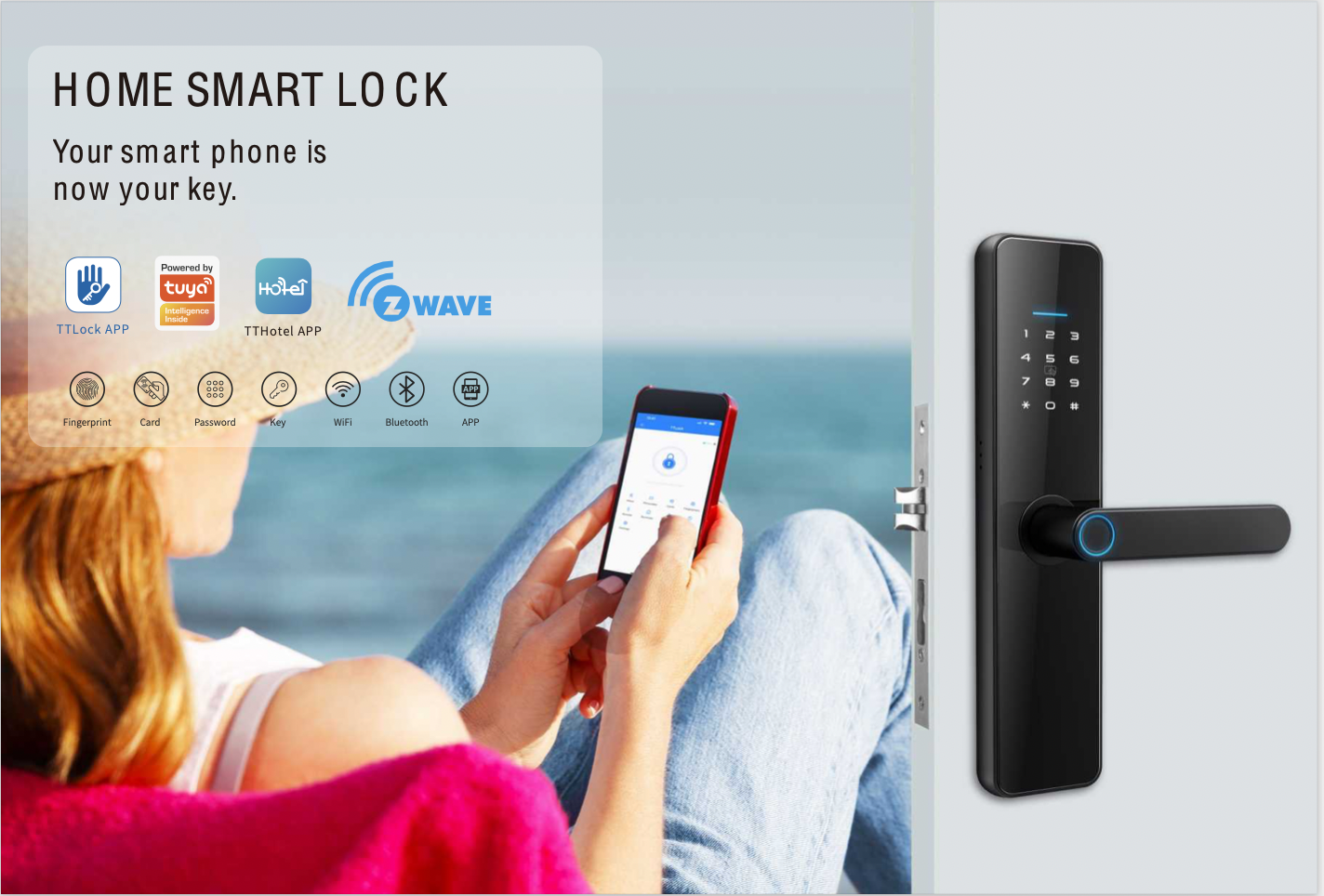
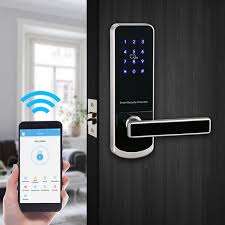
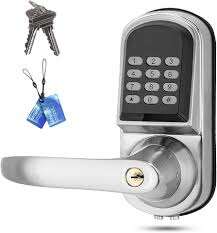
Electronic house locks represent a revolutionary advancement in home security technology, combining digital innovation with practical safety measures. These sophisticated devices replace traditional mechanical locks with intelligent systems that offer multiple access methods including PIN codes, fingerprint recognition, smartphone connectivity, and RFID cards. At their core, electronic house locks utilize microprocessor-controlled mechanisms that communicate with authentication devices to grant or deny entry. The main functions encompass keyless entry, remote access management, temporary code generation for guests, activity logging, and automatic locking features that enhance both convenience and protection. Technological features include encrypted communication protocols, tamper alerts, low battery warnings, and integration capabilities with smart home ecosystems. Many models incorporate biometric sensors capable of storing multiple fingerprints, touchscreen interfaces with backlit displays for nighttime visibility, and weatherproof construction suitable for exterior installation. Electronic house locks serve diverse applications across residential properties, rental accommodations, vacation homes, office buildings, and commercial facilities. They address the common frustrations of lost keys, unauthorized key duplication, and the inability to monitor entry activity. The advancement of wireless connectivity has enabled these devices to synchronize with home automation systems, allowing property owners to control access points from anywhere in the world through dedicated mobile applications. Battery-powered operation ensures functionality during power outages, with most units providing several months of operation on standard batteries. The installation process typically requires minimal modification to existing door structures, making them compatible with most standard door preparations. As security concerns continue to evolve, electronic house locks provide adaptable solutions that can be updated through firmware improvements, ensuring long-term relevance and protection against emerging threats in the constantly changing landscape of home security technology.

Popular Products

Electronic house locks deliver substantial benefits that transform how homeowners approach security and access management. The elimination of physical keys removes the anxiety of losing them or having them stolen, which traditionally necessitated expensive lock replacements and left properties vulnerable during the replacement period. Property owners gain complete control over who enters their homes and when, with the ability to create unique access codes for family members, service providers, and guests. This granular control proves invaluable for managing housekeepers, contractors, or pet sitters who require temporary access without compromising long-term security. Parents particularly appreciate the ability to generate time-limited codes for children returning from school, ensuring kids never get locked out while maintaining oversight of entry times. The comprehensive activity logs maintained by electronic house locks provide detailed records of every entry and exit, creating accountability and enabling homeowners to monitor property access even when away. This feature becomes especially beneficial for rental properties or vacation homes where monitoring guest compliance with check-in and check-out times prevents unauthorized extended stays. Remote access capabilities mean you can unlock doors for unexpected visitors or service personnel without interrupting your workday or cutting short social engagements. The integration with smartphone technology delivers real-time notifications whenever someone enters, providing peace of mind and immediate awareness of home activity. Installation simplicity represents another significant advantage, as most electronic house locks fit standard door preparations without requiring professional locksmith services or extensive modifications. The durability of electronic components often exceeds traditional mechanical locks, with fewer moving parts susceptible to wear from repeated use. Weather-resistant designs ensure reliable operation through extreme temperatures, humidity, and precipitation that would corrode conventional locks over time. Energy efficiency remains impressive, with battery life extending six months to a year depending on usage frequency, and low battery alerts providing ample warning before power depletion. The aesthetic appeal of modern electronic house locks enhances property appearance with sleek, contemporary designs that signal technological sophistication. Customization options allow homeowners to adjust settings according to personal preferences, including auto-lock timers, volume controls for audio feedback, and privacy modes that disable external access temporarily. The elimination of key cutting services and the associated costs provides ongoing financial savings, while the prevention of unauthorized key duplication closes a significant security vulnerability. These combined advantages create a compelling value proposition that addresses practical needs while delivering enhanced security, convenience, and modern functionality that traditional locking mechanisms simply cannot match in today's connected world.

Practical Tips

What Should You Look for in Terms of Installation Requirements and Compatibility for a Smart Toilet?

20

Jan

What Should You Look for in Terms of Installation Requirements and Compatibility for a Smart Toilet?

Modern bathrooms are evolving rapidly with technological advancements, and smart toilets have emerged as one of the most significant innovations in residential and commercial plumbing. When considering the integration of these advanced fixtures, unde...
View More
How to Troubleshoot Common Issues and Maintain the Electronic Components of Your Smart Toilet?

20

Jan

How to Troubleshoot Common Issues and Maintain the Electronic Components of Your Smart Toilet?

Modern smart toilets have revolutionized bathroom experiences with their advanced electronic systems and automated features. However, like any sophisticated technology, smart toilet electronic components require proper maintenance and occasional trou...
View More
What Self-Cleaning Features in a Smart Toilet Save You Time and Effort on Maintenance?

18

Mar

What Self-Cleaning Features in a Smart Toilet Save You Time and Effort on Maintenance?

Modern bathroom technology has revolutionized how we approach hygiene and maintenance, with smart toilet systems leading the charge in automated cleanliness solutions. These innovative fixtures incorporate advanced self-cleaning mechanisms that signi...
View More
Building Trust in Every Turn: Why Quality and Connectivity Matter in Smart Lock

20

Apr

Building Trust in Every Turn: Why Quality and Connectivity Matter in Smart Lock

When sourcing smart locks for a B2B project—whether it’s for a hotel chain, a residential development, or a distribution network—the conversation usually starts with a price point. But as anyone in this industry knows, the conversat...
View More

Get a Free Quote

Our representative will contact you soon.
Email
Name
Company Name
Message
0/1000

electronic house locks

Advanced Multi-Method Authentication for Maximum Flexibility

Advanced Multi-Method Authentication for Maximum Flexibility

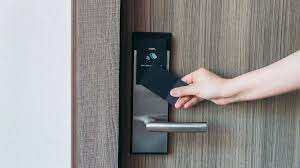
Electronic house locks distinguish themselves through sophisticated multi-method authentication systems that accommodate diverse user preferences and situations. This versatility represents a fundamental advantage over single-access traditional locks, providing multiple pathways for authorized entry while maintaining robust security protocols. The PIN code functionality allows users to program personalized numeric combinations, with advanced models supporting dozens of unique codes simultaneously. This capability proves transformative for households with multiple residents, enabling each family member to maintain their individual code while the system tracks who enters and when. The codes can be permanent for residents or temporary for visitors, with expiration settings that automatically deactivate access after predetermined periods. Fingerprint recognition technology elevates security to biometric levels, scanning and matching unique ridge patterns that cannot be duplicated or transferred. Modern capacitive fingerprint sensors capture high-resolution images in milliseconds, comparing them against stored templates with remarkable accuracy even when fingers are slightly dirty or wet. The electronic house locks typically store between fifty to one hundred fingerprints, accommodating large families or small business environments where multiple authorized users require access. Smartphone connectivity introduces unprecedented convenience, transforming mobile devices into virtual keys through Bluetooth or Wi-Fi communication. Dedicated applications provide intuitive interfaces for unlocking doors with simple taps, eliminating the need to remember codes or position fingers correctly on sensors. The smartphone integration extends beyond basic unlocking, offering comprehensive management features including code creation, access scheduling, and user permission modifications. RFID card and key fob options cater to users who prefer tangible access tokens, particularly useful for elderly family members or young children who might struggle with smartphones or fingerprint positioning. These cards utilize encrypted radio frequency identification that prevents cloning while offering the familiar swipe-and-enter experience. The electronic house locks often include traditional key cylinder backups, ensuring access during complete battery failure or electronic malfunction, though such redundancy maintains security through high-security key profiles resistant to picking and bumping. This comprehensive multi-method approach ensures that electronic house locks accommodate every user regardless of age, technical proficiency, or personal preference, while the flexibility to switch between methods based on circumstances provides unmatched adaptability that enhances both daily convenience and emergency preparedness in ways that revolutionize residential access control.
Intelligent Remote Management and Real-Time Monitoring Capabilities

Intelligent Remote Management and Real-Time Monitoring Capabilities

The remote management and monitoring capabilities of electronic house locks represent transformative features that fundamentally change how property owners interact with their home security systems. Through cloud-connected technology and dedicated mobile applications, these intelligent devices extend control beyond physical proximity, enabling comprehensive access management from anywhere with internet connectivity. This geographical independence proves invaluable in numerous scenarios that modern lifestyles frequently encounter. When family members forget their access codes or lose their key fobs while you are at work or traveling, remote unlocking resolves the situation immediately without requiring emergency locksmith services or frantic key delivery arrangements. The real-time notification system sends instant alerts to smartphones whenever electronic house locks register access attempts, successful entries, or security concerns such as repeated failed authentication attempts. These notifications include timestamps and user identification when codes or registered fingerprints are used, creating detailed awareness of property activity throughout the day. Parents monitoring teenage children gain visibility into arrival times after school or departures for evening activities, fostering accountability while respecting privacy through non-intrusive digital oversight. Property managers overseeing multiple rental units leverage remote management to grant access to new tenants, revoke permissions for departed residents, and generate temporary codes for maintenance personnel without coordinating physical key exchanges or scheduling in-person meetings. Vacation rental operators particularly benefit from the ability to create unique codes for each booking period, automatically activating before guest arrival and expiring after checkout, eliminating key handoff logistics while preventing unauthorized return visits. The activity logs maintained by electronic house locks create comprehensive audit trails that document every interaction with the device, recording successful entries, failed attempts, low battery warnings, and tampering alerts. These detailed records prove valuable for security investigations, insurance claims, or simply understanding household patterns and occupancy trends. Advanced models offer video integration capabilities, connecting with doorbell cameras or security systems to provide visual confirmation of individuals requesting entry, combining authentication data with visual verification for enhanced security decision-making. Geofencing features in premium electronic house locks detect smartphone proximity and can automatically unlock as authorized users approach, then secure the door after departure, creating seamless transitions without manual intervention. Temporary access scheduling allows precise control over when specific codes function, perfect for service providers who should only enter during scheduled appointment windows. This intelligent remote functionality transforms electronic house locks from simple barriers into comprehensive access management platforms that provide unprecedented oversight, control, and convenience that adapts to the complex demands of contemporary living arrangements and security requirements.
Enhanced Security Features with Proactive Threat Prevention

Enhanced Security Features with Proactive Threat Prevention

Electronic house locks incorporate sophisticated security enhancements that actively protect against intrusion attempts while addressing vulnerabilities inherent in traditional mechanical locking systems. The encrypted communication protocols employed by modern electronic house locks prevent signal interception and replay attacks that could compromise wireless access methods. Advanced encryption standards ensure that data transmitted between smartphones, key fobs, and the lock mechanism remains secure against eavesdropping or unauthorized duplication attempts. The absence of traditional keyholes eliminates picking and bumping vulnerabilities that skilled intruders exploit with mechanical locks, removing entire categories of forced entry techniques from the threat landscape. Anti-tampering mechanisms detect physical attacks on the device, triggering audible alarms and sending immediate notifications to property owners when someone attempts to dismantle, pry, or forcibly remove the electronic house locks from the door. These proactive alerts enable rapid response, whether contacting authorities or checking security camera feeds to assess the situation in real-time. Automatic lockout features activate after multiple failed authentication attempts, temporarily disabling access inputs to prevent brute-force code guessing attacks, with some models implementing progressively longer delays between subsequent attempts to discourage persistent intrusion efforts. The lack of physical keys eliminates risks associated with key loss, theft, or unauthorized duplication at hardware stores or by individuals with temporary access to your keys. Electronic house locks cannot be compromised through impressioning techniques or master key exploitation that affect traditional lock systems in apartment buildings and commercial properties. The ability to instantly deactivate compromised credentials provides immediate security restoration if access codes become known to unauthorized individuals or if smartphones containing virtual keys are lost or stolen. This instantaneous response capability contrasts sharply with traditional locks requiring complete hardware replacement to restore security after key compromise. Reinforced strike plates and deadbolt mechanisms in quality electronic house locks meet or exceed Grade 1 security ratings established by industry standards, ensuring the physical locking components resist forceful entry attempts including kicking, prying, and drilling. Weatherproof housings protect sensitive electronic components from moisture infiltration and temperature extremes that could compromise functionality, while corrosion-resistant materials ensure long-term reliability in coastal or humid environments. Built-in backup power provisions allow emergency battery installation from the exterior using standard batteries, ensuring you never face permanent lockout situations even during complete power depletion. Privacy modes available in many electronic house locks disable external access methods temporarily, allowing residents to secure themselves inside without possibility of entry even by individuals with valid credentials, perfect for situations requiring absolute privacy or enhanced security during vulnerable periods. These comprehensive security enhancements work synergistically to create protection layers that address both technological and physical attack vectors, establishing electronic house locks as superior security solutions that actively defend against evolving threats while maintaining the convenience and accessibility that modern homeowners rightfully expect from advanced entry systems.

Get a Free Quote

Name
Email
Mobile/WhatsApp
Country
Required product types
Approximate project budget or area
0/1000

Get a Free Quote

Name
Email
Mobile/WhatsApp
Country
Required product types
Approximate project budget or area
0/1000