Over the past few years of working closely with architects, interior designers, and commercial property managers, I’ve noticed a major shift in how we think about structural boundaries. The traditional, static wall is losing ground. Design today is all about fluidity, light, and adaptability.
That is exactly why multi-slide folding door systems have moved from a niche luxury feature to a core architectural element.
When we talk about folding doors, we aren't just talking about a piece of hardware. We are talking about an operational tool that changes how a space breathes, feels, and—in the case of businesses—makes money. Here is a look at how these systems are being used across different sectors to solve real-world layout challenges.
For restaurants, cafés, and hotels, square footage is directly tied to revenue. Outdoor seating is often the most profitable area of a venue, but it is entirely dependent on the weather.
Space Maximization: Folding doors allow businesses to bridge the gap between indoor dining and outdoor terraces seamlessly. When fully retracted, the transition is invisible.
Ambiance Control: On a clear day, opening the doors creates an energetic, open-air street-side vibe that naturally draws people in. When the weather turns, closing them takes seconds, instantly creating a quiet, climate-controlled indoor environment without sacrificing the view.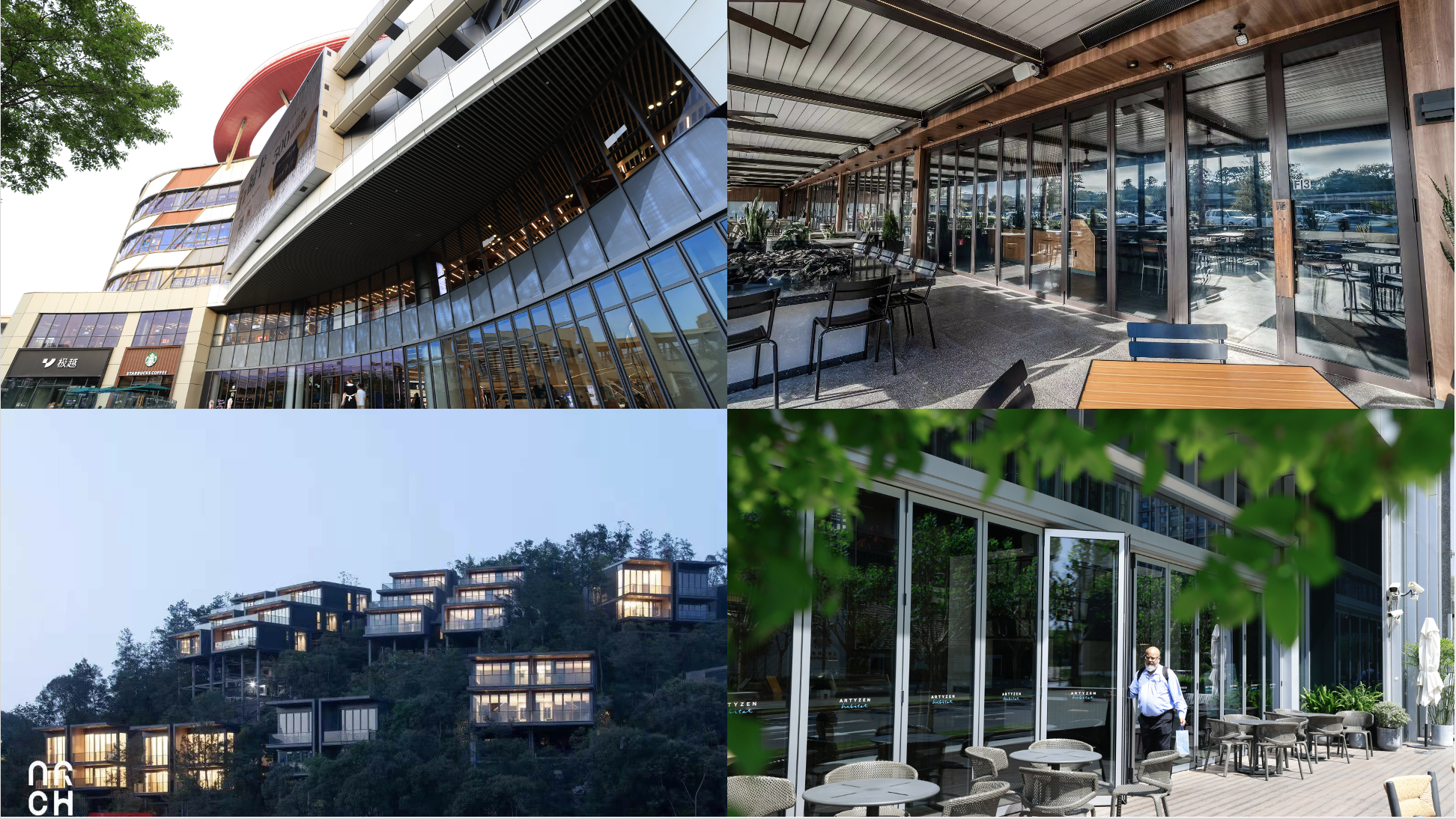
Large, enclosed commercial centers often struggle with a common problem: they can feel stifling and disconnected from the outside world.
Creating "Breathability": By replacing standard storefronts with wide-span folding doors, retail spaces can open up entirely to pedestrian streets or central plazas.
Blurring the Boundaries: Removing the physical barrier makes the store interior feel like a natural extension of the walkway. Customers don't have to "push open a door" to enter—they just drift in.
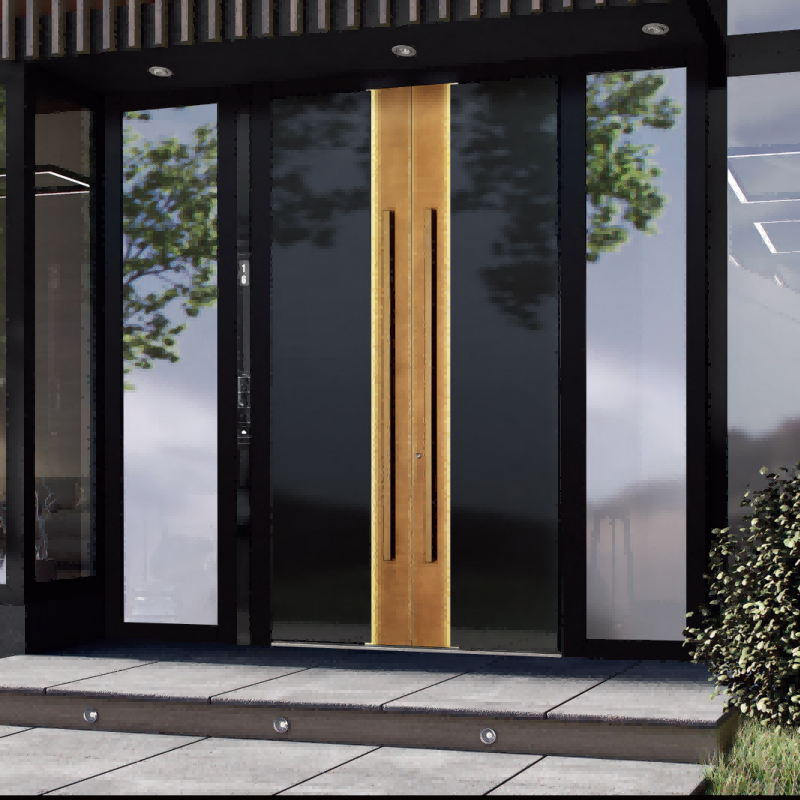
Premium Visuals: The ultra-slim aluminum profiles and expansive glass panels offer a clean, minimalist look that instantly upgrades the brand's perceived value.
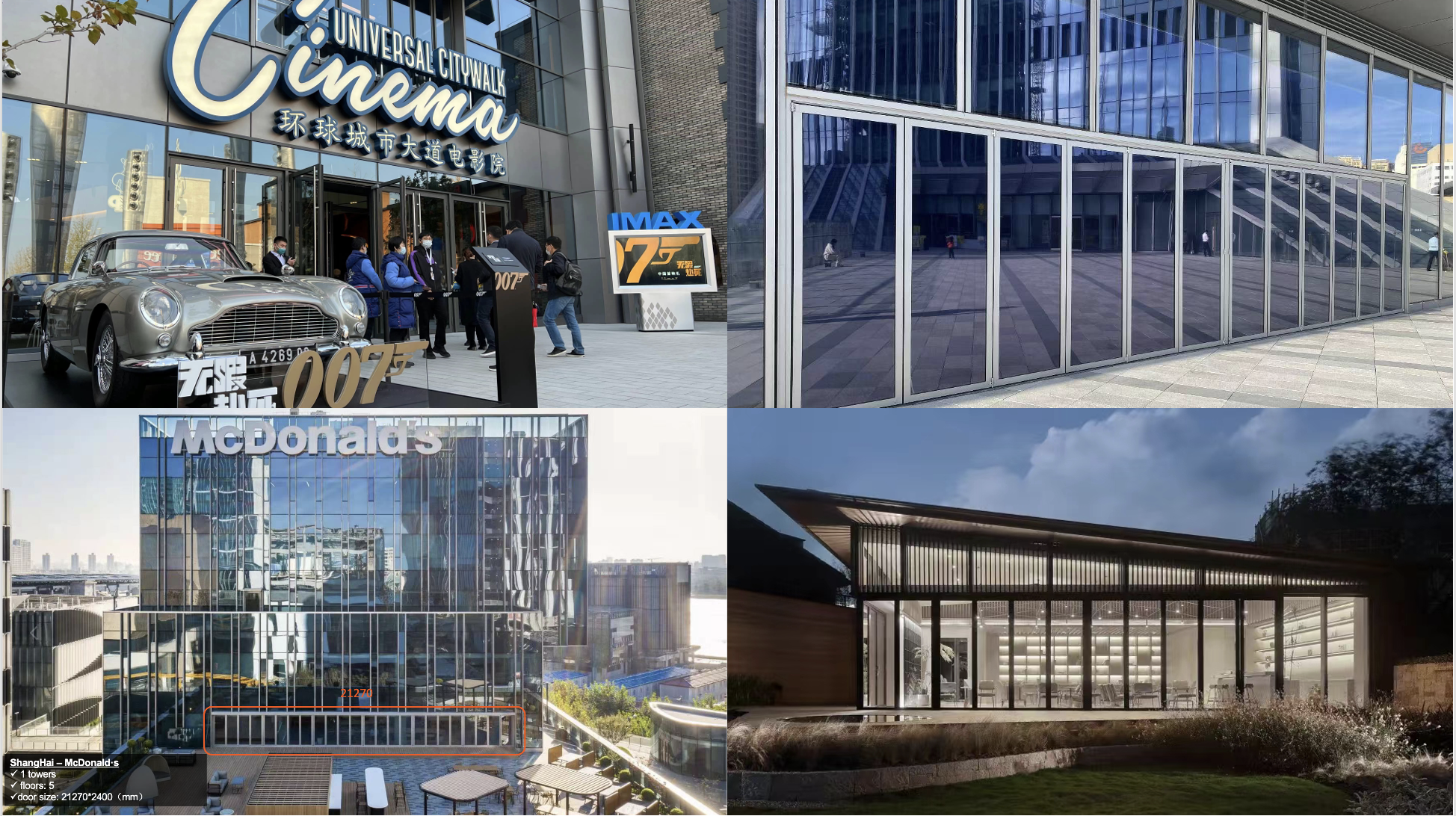
In spaces like visitor centers, observation decks, museums, and exhibition halls, the surrounding environment is often the main attraction.
Unobstructed Vistas: Panoramic folding doors eliminate the heavy vertical pillars common in traditional window setups, giving visitors a completely clear view of natural landscapes or city skylines.
Managing Peak Crowds: During busy tourist seasons, opening the doors fully helps clear bottlenecks and keeps foot traffic moving efficiently. During off-peak hours, keeping them partially closed maintains indoor comfort and reduces HVAC energy costs.
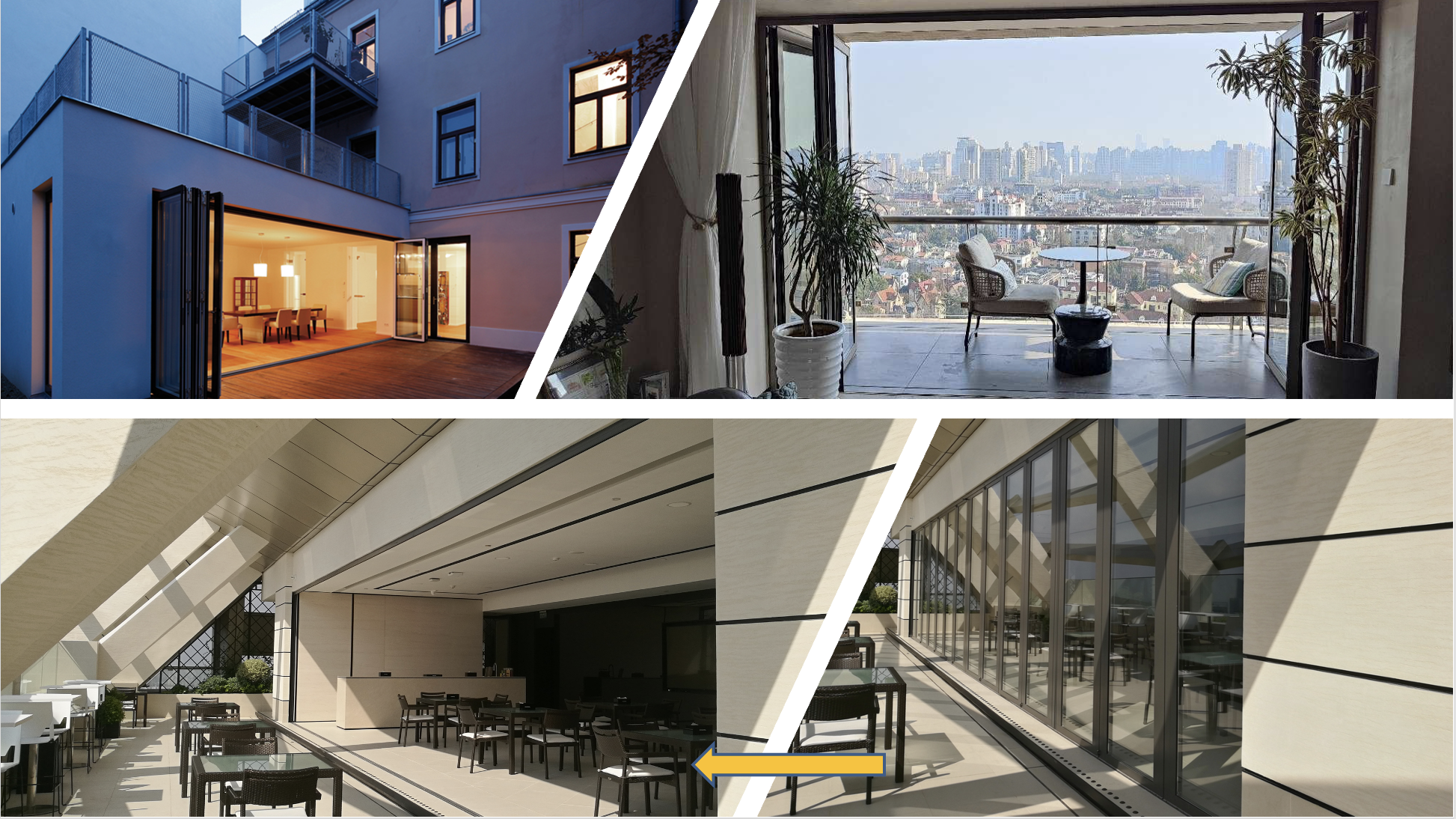
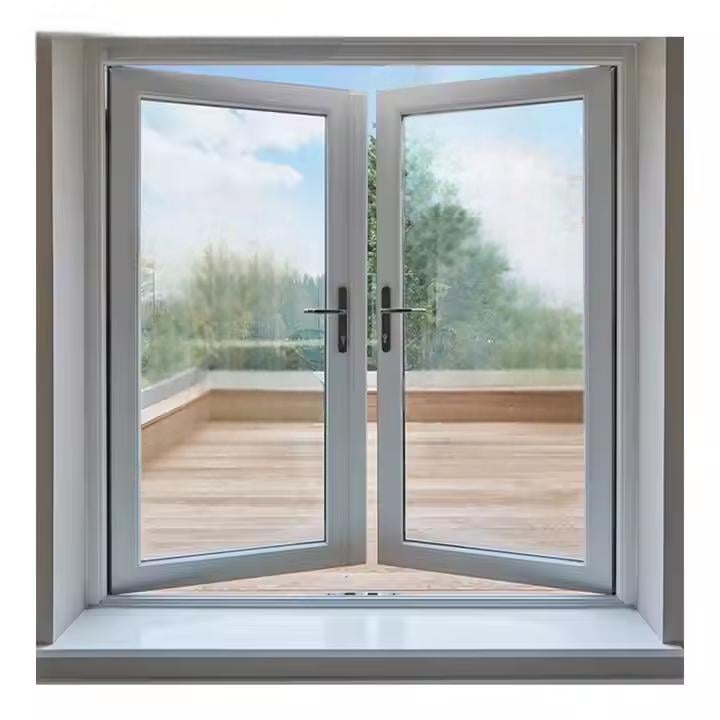
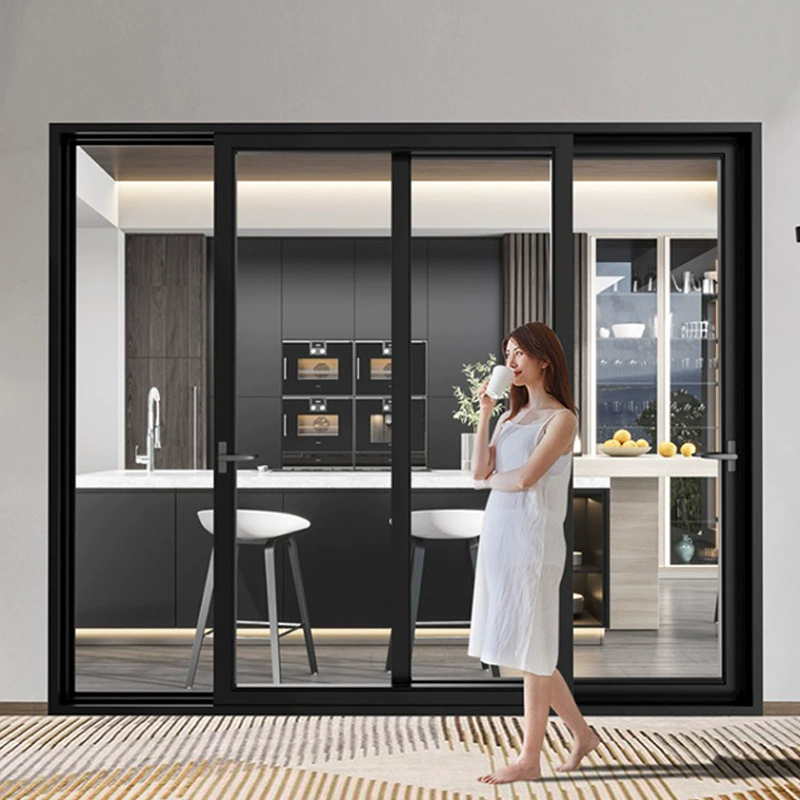
For homeowners, folding doors are about breaking down the walls that isolate us from our own backyards and balconies.
Visual Expansion: Installing a folding system along a living room or kitchen wall instantly makes the entire home feel twice as large and significantly brighter.
An Indoor-Outdoor Lifestyle: It allows fresh air and natural light to flow deeply into the house, making weekend gatherings or quiet mornings feel like a retreat from the city.
Zero Compromise on Performance: Homeowners often worry about weatherproofing. Modern systems utilize advanced thermal-break technology and heavy-duty seals, meaning that when the doors are locked, the house remains perfectly insulated against extreme heat, cold, and outside noise.
A folding door isn’t just a hardware installation; it’s a tool for transforming how we interact with our environment. It gives a building the ability to adapt to your mood, the weather, or the needs of your business.
If you are planning a new project or looking to upgrade your existing space, we would love to discuss how these systems can work for you. Reach out to our team to explore the possibilities.
 Hot News
2024-10-28
2022-06-19
2020-03-25

Shanghai PEAK Smart Home Co., Ltd. located in Fengxian District, Shanghai, our company is a service provider specializing in the design, production, sales, and after-sales services of doors and windows.
Room 402, Building 9, 1598 Fugang Road, Fengxian District, Shanghai, China
Copyright © 2026 Shanghai PEAK Smart Home Co., Ltd. All right Privacy Policy
 EN
EN