
 EN
EN

The modern bathroom has evolved significantly from basic functionality to sophisticated technology integration. A smart toilet with auto-open lid represents the pinnacle of bathroom innovation, combining convenience, hygiene, and advanced sensor technology to create an entirely hands-free experience. This revolutionary bathroom fixture can detect your presence through multiple sensor systems and respond instantly to your approach, opening the lid automatically without any physical contact required.
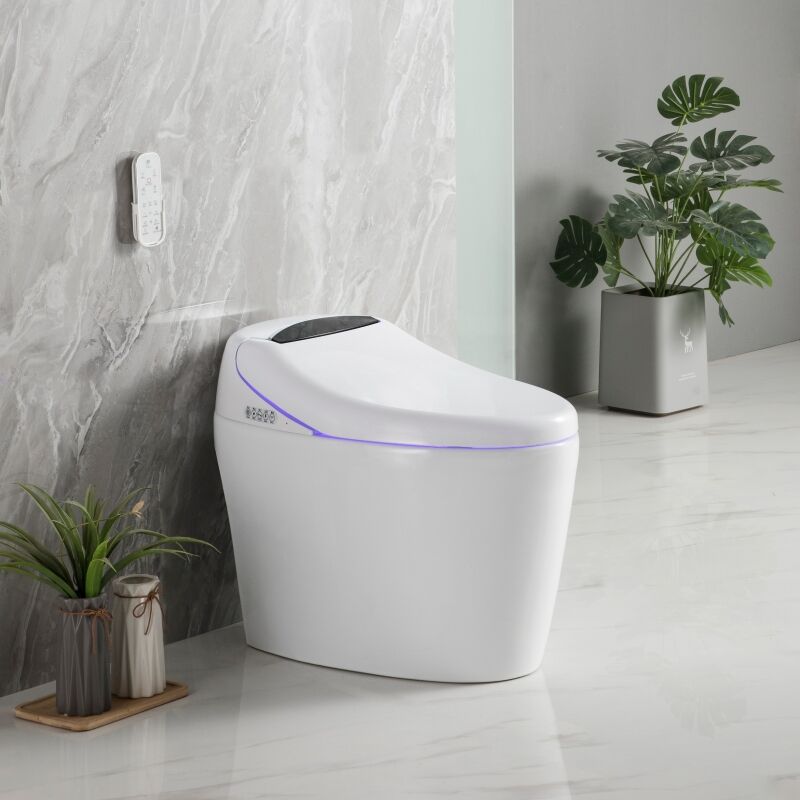
These intelligent bathroom fixtures utilize sophisticated proximity sensors, motion detectors, and infrared technology to recognize when someone enters their detection zone. The instant response capability ensures that users never have to manually lift the toilet lid, providing enhanced hygiene benefits and unprecedented convenience. Modern smart toilet with auto-open lid systems can distinguish between intentional approach and casual movement, preventing false activations while maintaining reliable performance.
The technology behind automatic lid opening has advanced considerably, incorporating artificial intelligence algorithms that learn user patterns and preferences. This smart functionality extends beyond simple detection, offering customizable response times, sensitivity adjustments, and integration with other smart home systems. The result is a bathroom fixture that anticipates user needs and responds seamlessly to daily routines.
Advanced Sensor Technology and Detection Mechanisms
Proximity Sensor Integration
A smart toilet with auto-open lid employs multiple types of proximity sensors to ensure accurate detection and response. Ultrasonic sensors measure distance by emitting high-frequency sound waves and calculating the time required for echo return. These sensors can detect movement within a predetermined range, typically adjustable from two to six feet, allowing users to customize the activation distance based on their bathroom layout and personal preferences.
Infrared sensors complement ultrasonic technology by detecting heat signatures and movement patterns. These dual-sensor systems work together to minimize false triggers while ensuring reliable activation when needed. The combination provides redundancy and accuracy, making the smart toilet with auto-open lid highly dependable in various lighting conditions and environmental factors.
Advanced models incorporate machine learning algorithms that adapt to user behavior patterns over time. This intelligent adaptation allows the system to recognize specific users, adjust sensitivity levels automatically, and even predict usage patterns based on historical data. The result is a truly personalized bathroom experience that becomes more efficient and responsive with continued use.
Motion Detection Capabilities
Motion detection technology in modern smart toilet with auto-open lid systems utilizes passive infrared sensors that can distinguish between different types of movement. These sensors are programmed to recognize human approach patterns while filtering out pets, falling objects, or other non-relevant motion triggers. The sophisticated algorithms analyze movement speed, direction, and duration to determine appropriate responses.
The detection field can be precisely calibrated to match bathroom dimensions and user preferences. Some systems offer adjustable detection zones that can be narrowed or widened depending on the specific installation environment. This customization ensures optimal performance whether the toilet is installed in a compact powder room or a spacious master bathroom.
Response time optimization is another crucial aspect of motion detection. The best smart toilet with auto-open lid models can process sensor data and activate the lid mechanism in less than one second from initial detection. This rapid response ensures that the lid is fully open before users reach the fixture, creating a seamless and convenient experience.
Hygiene Benefits and Health Considerations
Touchless Operation Advantages
The primary health benefit of a smart toilet with auto-open lid is the elimination of physical contact with potentially contaminated surfaces. Traditional toilet lids can harbor bacteria, viruses, and other pathogens that transfer to hands during manual operation. Automatic lid opening removes this transmission vector entirely, significantly reducing the risk of infection and cross-contamination in household and commercial environments.
Healthcare professionals increasingly recognize the importance of touchless bathroom fixtures in preventing the spread of infectious diseases. The COVID-19 pandemic highlighted how surface transmission contributes to infection rates, making automatic systems more valuable than ever. Smart toilet with auto-open lid technology provides an additional layer of protection that complements regular cleaning and sanitization practices.
For individuals with compromised immune systems, mobility limitations, or chronic health conditions, touchless operation offers particular benefits. These users can maintain better hygiene standards without the physical effort required for manual lid manipulation. The automatic function also reduces strain on joints and muscles, making bathroom use more comfortable and accessible.
Antimicrobial Features and Materials
Many smart toilet with auto-open lid models incorporate antimicrobial materials and coatings that actively resist bacterial growth and viral survival. Silver ion technology, copper-infused surfaces, and specialized polymer coatings work continuously to eliminate pathogens on contact. These materials complement the touchless operation by ensuring that any incidental contact with the fixture surface poses minimal health risks.
UV sanitization systems represent another advancement in smart toilet hygiene technology. Some models include built-in UV-C lights that activate automatically after each use, sterilizing the toilet bowl, seat, and lid surfaces. This automated sanitization cycle eliminates up to 99.9% of bacteria and viruses without requiring chemical disinfectants or manual cleaning between uses.
Self-cleaning mechanisms further enhance the hygiene benefits of advanced smart toilet with auto-open lid systems. Electrolyzed water cleaning, automated bowl flushing, and air purification systems work together to maintain optimal cleanliness levels. These features reduce the frequency of manual cleaning required while ensuring consistent sanitary conditions.
Installation Requirements and Technical Specifications
Power and Electrical Considerations
Installing a smart toilet with auto-open lid requires careful consideration of electrical requirements and power supply options. Most models require a dedicated 120V electrical circuit with GFCI protection to ensure safe operation in the humid bathroom environment. The power consumption typically ranges from 200 to 800 watts depending on the specific features and heating elements included in the system.
Backup power systems are essential for maintaining functionality during power outages. Many smart toilet with auto-open lid models include battery backup capabilities that preserve essential functions like automatic lid operation and basic flushing mechanisms. These backup systems typically provide 24 to 72 hours of operation depending on usage frequency and battery capacity.
Energy efficiency considerations make modern smart toilets increasingly attractive to environmentally conscious consumers. Advanced power management systems automatically reduce energy consumption during periods of non-use while maintaining instant response capabilities. Some models achieve Energy Star certification through optimized heating systems and intelligent power management algorithms.
Plumbing and Space Requirements
The plumbing requirements for a smart toilet with auto-open lid often differ significantly from traditional toilet installations. Water supply lines must accommodate both standard flushing mechanisms and additional features like bidet functions, seat warming, and self-cleaning systems. Most installations require both hot and cold water connections to support the full range of available features.
Space planning involves more than just the toilet footprint. Smart toilet with auto-open lid systems require clearance for sensor operation, typically extending 3 to 6 feet in front of the fixture. Side clearances must accommodate control panels, maintenance access, and user comfort. Ceiling height considerations include ventilation requirements and potential odor elimination systems that may extend above the standard fixture height.
Drainage considerations may require modifications to existing plumbing systems. Advanced models with multiple water features may need larger drain lines or additional drainage points to handle increased water volume. Professional plumbing assessment is recommended to ensure existing infrastructure can support the enhanced functionality of modern smart toilet systems.
User Experience and Customization Options
Personalization and Settings Management
Modern smart toilet with auto-open lid systems offer extensive customization options that allow users to tailor the experience to their specific preferences and needs. Sensor sensitivity adjustment enables fine-tuning of detection range and response time to match individual user patterns and bathroom layouts. These settings can typically be adjusted through smartphone apps, remote controls, or built-in control panels.
User profile management allows multiple household members to maintain personalized settings for water temperature, pressure, air drying, and seat heating preferences. Advanced models can automatically recognize different users through smartphone integration or biometric sensors, switching to appropriate settings instantly. This personalization extends to lid opening speed, pause duration, and automatic closing timing.
Smart home integration capabilities make smart toilet with auto-open lid systems part of broader home automation ecosystems. Voice control through popular smart speakers allows hands-free adjustment of settings and activation of specific functions. Integration with home security systems can provide usage monitoring and alert capabilities for elderly care or medical monitoring applications.
Maintenance and Cleaning Protocols
Proper maintenance ensures optimal performance and longevity of smart toilet with auto-open lid systems. Regular sensor cleaning prevents dust and debris accumulation that can interfere with detection accuracy. Most sensors can be cleaned with soft, damp cloths and mild cleaning solutions, though specific manufacturer recommendations should always be followed to avoid damage to sensitive components.
Automatic maintenance alerts help users stay current with necessary service tasks. Smart systems monitor component performance, filter life, and cleaning cycles to provide timely notifications for maintenance requirements. These proactive alerts prevent minor issues from developing into major problems that could compromise system functionality or user experience.
Professional service requirements vary depending on the complexity of the smart toilet with auto-open lid system. While basic cleaning and filter replacement can typically be performed by users, electrical components, sensor calibration, and complex mechanical repairs should be handled by qualified technicians. Many manufacturers offer extended warranty programs and professional service plans to ensure continued optimal performance.
Cost Analysis and Return on Investment
Initial Investment Considerations
The initial cost of a smart toilet with auto-open lid represents a significant investment compared to traditional toilet fixtures, typically ranging from $1,500 to $8,000 depending on features and brand reputation. This price differential reflects the sophisticated technology, advanced materials, and precision manufacturing required to produce reliable automatic systems. Installation costs add another $300 to $1,500 depending on electrical and plumbing modifications required.
Feature comparison reveals significant value differences between models at various price points. Basic smart toilet with auto-open lid systems may offer only essential automatic functions, while premium models include heated seats, air purification, night lighting, and comprehensive bidet functions. Understanding specific needs helps consumers select appropriate feature sets without overpaying for unnecessary capabilities.
Financing options make premium bathroom fixtures more accessible to broader consumer segments. Many manufacturers offer promotional financing, lease programs, or extended payment plans that spread the investment over multiple years. Some utility companies provide rebates for water-efficient models that contribute to overall resource conservation goals.
Long-term Value and Benefits
The long-term value proposition of smart toilet with auto-open lid systems extends beyond initial convenience to include health benefits, property value enhancement, and operational savings. Reduced cleaning requirements, improved hygiene standards, and enhanced accessibility provide ongoing benefits that accumulate over time. These advantages become particularly valuable for aging-in-place scenarios or households with mobility-impaired members.
Property value enhancement from premium bathroom fixtures can significantly offset initial investment costs. Real estate professionals note that luxury bathroom amenities appeal strongly to potential buyers, particularly in higher-end market segments. Smart toilet with auto-open lid installations often return 60% to 80% of their cost in increased property value, making them attractive home improvement investments.
Operational cost savings include reduced toilet paper usage through integrated bidet functions, lower cleaning supply requirements due to self-cleaning capabilities, and potential water savings through optimized flush mechanisms. Energy-efficient models may qualify for utility rebates or tax credits that further improve the overall financial proposition of smart toilet investments.
FAQ
How reliable are the sensors in smart toilet with auto-open lid systems
Modern smart toilet with auto-open lid sensor systems demonstrate excellent reliability with proper installation and maintenance. Quality models achieve 99%+ accuracy rates in detecting intended user approach while minimizing false activations. Dual-sensor configurations provide redundancy that ensures continued operation even if one sensor experiences temporary issues. Regular cleaning and calibration maintain optimal performance over many years of use.
Can smart toilet with auto-open lid systems work during power outages
Most smart toilet with auto-open lid models include battery backup systems that maintain essential functions during power outages. These backup systems typically preserve automatic lid operation, basic flushing capability, and safety features for 24 to 72 hours depending on usage patterns. Some models offer manual override options that allow normal toilet function even when both main power and backup batteries are unavailable.
Are smart toilet with auto-open lid systems suitable for commercial installations
Commercial-grade smart toilet with auto-open lid systems are specifically designed for high-traffic environments with enhanced durability, faster response times, and robust sensor systems. These models typically feature reinforced components, antimicrobial materials, and advanced maintenance monitoring capabilities. Professional installation and regular service ensure optimal performance in demanding commercial applications while providing superior hygiene benefits for public facilities.
What maintenance is required for smart toilet with auto-open lid sensors
Routine maintenance for smart toilet with auto-open lid sensors involves monthly cleaning with soft cloths and mild cleaning solutions to remove dust and debris that can interfere with detection accuracy. Most systems provide maintenance alerts and diagnostic information through smartphone apps or control panels. Professional calibration may be recommended annually to ensure optimal sensor performance and accuracy in various environmental conditions.