 EN
EN
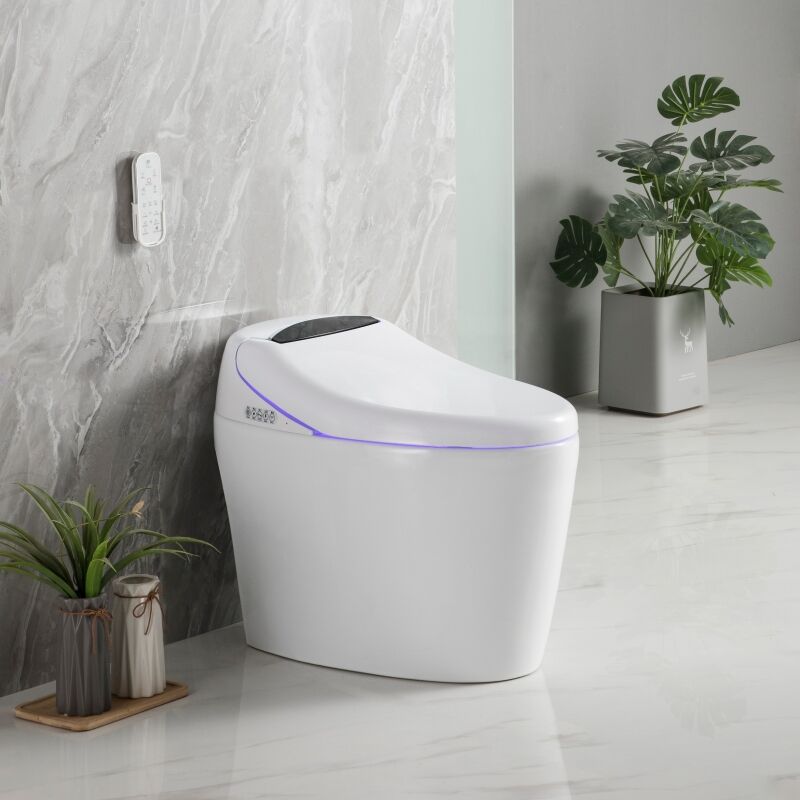
Modern bathroom technology has revolutionized how we approach hygiene and maintenance, with smart toilet systems leading the charge in automated cleanliness solutions. These innovative fixtures incorporate advanced self-cleaning mechanisms that significantly reduce the time and effort required for routine maintenance. A smart toilet equipped with comprehensive cleaning features can transform your daily routine while ensuring optimal sanitation standards without constant manual intervention. The integration of automated cleaning cycles, antimicrobial surfaces, and intelligent monitoring systems creates a maintenance-friendly environment that adapts to user patterns and usage frequency.
Automated Bowl Cleaning Systems
Electrolyzed Water Technology
One of the most sophisticated cleaning features found in premium smart toilet models utilizes electrolyzed water technology to create a powerful sanitizing agent from ordinary tap water. This process involves splitting water molecules through electrolysis, producing hypochlorous acid and sodium hydroxide that effectively eliminate bacteria, viruses, and organic matter without harsh chemicals. The smart toilet automatically generates this cleaning solution before and after each use, ensuring the bowl remains sanitized throughout the day. This technology eliminates the need for frequent chemical cleaners and reduces the buildup of mineral deposits that typically require scrubbing.
The electrolyzed water system operates silently in the background, activating sensors that detect user presence and automatically initiating cleaning cycles. Advanced models can adjust the concentration and duration of cleaning based on usage patterns, ensuring optimal sanitization while conserving water resources. This automated approach significantly reduces manual cleaning frequency from daily to weekly intervals, depending on household usage and water quality conditions.
Pre-Mist and Post-Rinse Functions
Smart toilet pre-mist functionality applies a fine layer of water to the bowl surface before use, creating a protective barrier that prevents waste from adhering to ceramic surfaces. This simple yet effective feature dramatically reduces the likelihood of staining and makes subsequent cleaning more efficient. The misting system uses precisely controlled water pressure and coverage patterns to ensure complete bowl preparation without excessive water consumption.
Following each use, automated post-rinse cycles activate powerful flushing mechanisms that remove residual waste and cleaning agents from the bowl interior. These cycles often incorporate variable water pressure settings and directional jets that target specific areas prone to accumulation. The combination of pre-mist and post-rinse functions creates a comprehensive cleaning routine that maintains bowl cleanliness between manual maintenance sessions.
Self-Cleaning Nozzle Mechanisms
Retractable Nozzle Design
The bidet nozzles in a high-quality smart toilet feature retractable designs that automatically extend during use and retract into protected housings when not active. This mechanism prevents exposure to airborne contaminants and reduces the accumulation of bacteria on nozzle surfaces. The retraction process includes automatic cleaning cycles that rinse the nozzle with sanitizing solutions before and after each extension, ensuring hygienic operation throughout extended use periods.
Retractable nozzles incorporate self-positioning technology that adjusts spray angle and distance based on user preferences and detected body positioning. The automated positioning system reduces the likelihood of improper cleaning and eliminates the need for manual adjustment between uses. Advanced models feature multiple nozzles for different functions, each with independent retraction and cleaning mechanisms that operate simultaneously to maintain optimal hygiene standards.
UV Sterilization Integration
Many premium smart toilet models incorporate ultraviolet sterilization systems that target nozzle assemblies and internal water pathways with germicidal UV-C light. This sterilization process occurs automatically during standby periods and between uses, eliminating bacteria and viruses that may accumulate despite regular water-based cleaning cycles. The UV sterilization system operates independently of water-based cleaning mechanisms, providing an additional layer of sanitization that extends maintenance intervals.
UV sterilization cycles typically activate during low-usage periods, such as overnight hours, to maximize sterilization time without interrupting normal operation. The system includes safety mechanisms that prevent UV exposure during active use while maintaining continuous sterilization capabilities during extended non-use periods. This technology significantly reduces the need for chemical disinfection and manual nozzle cleaning procedures.
Advanced Surface Coating Technologies
Antimicrobial Ceramic Glazes
Contemporary smart toilet manufacturing incorporates specialized ceramic glazes infused with antimicrobial agents that actively inhibit bacterial growth on toilet surfaces. These coatings contain silver ions or titanium dioxide compounds that create hostile environments for microorganisms, preventing the formation of biofilms and reducing odor-causing bacteria. The antimicrobial properties remain active throughout the toilet's lifespan, providing continuous protection without requiring reapplication or maintenance.
The smooth, non-porous surface created by antimicrobial glazes prevents waste and cleaning agents from penetrating into ceramic pores, making cleaning more efficient and thorough. This surface technology works synergistically with automated cleaning systems to maintain optimal sanitation levels while reducing the frequency of intensive manual cleaning. Users report significant reductions in scrubbing time and cleaning product consumption when using smart toilet models with antimicrobial surface treatments.
Hydrophobic and Oleophobic Coatings
Advanced smart toilet models feature hydrophobic and oleophobic surface coatings that repel water and oil-based substances, preventing adhesion and simplifying cleaning processes. These molecular-level coatings create microscopic surface textures that cause liquids to bead and roll off surfaces rather than spreading and penetrating. The water-repelling properties facilitate more effective flushing and reduce water spotting that typically requires regular wiping and polishing.
Oleophobic coatings specifically target oil-based substances and organic matter that can create persistent stains and odors in conventional toilets. The combination of hydrophobic and oleophobic properties creates self-cleaning surfaces that maintain appearance and functionality with minimal maintenance intervention. These coatings work continuously to prevent the accumulation of substances that typically require chemical cleaners and mechanical scrubbing to remove.
Intelligent Maintenance Monitoring
Usage Pattern Recognition
Smart toilet systems incorporate sophisticated sensors and analytics that monitor usage patterns, cleaning cycle effectiveness, and maintenance requirements. These systems track variables such as flush frequency, cleaning solution consumption, and filter replacement intervals to optimize maintenance schedules automatically. The intelligent monitoring capabilities can detect changes in usage patterns that may indicate the need for adjusted cleaning frequencies or maintenance attention.
Pattern recognition algorithms analyze historical data to predict optimal cleaning intervals and maintenance requirements, reducing unnecessary cleaning cycles while ensuring adequate sanitation levels. The system can identify unusual usage spikes or extended non-use periods and adjust cleaning protocols accordingly. This intelligent approach maximizes cleaning efficiency while minimizing water and energy consumption associated with automated maintenance functions.
Diagnostic and Alert Systems
Integrated diagnostic systems continuously monitor smart toilet components and performance metrics, providing early warning alerts for maintenance requirements or potential issues. These systems can detect filter clogs, low cleaning solution levels, or component malfunctions before they impact toilet performance or hygiene standards. Diagnostic information is typically accessible through mobile applications or display panels that provide clear maintenance instructions and scheduling recommendations.
Alert systems can differentiate between routine maintenance requirements and urgent issues that require immediate attention, helping users prioritize maintenance activities effectively. The diagnostic capabilities extend to water quality monitoring, detecting mineral buildup or contamination that may affect cleaning system performance. This proactive approach prevents maintenance-related problems from escalating into costly repairs or hygiene concerns.
Water and Energy Efficiency Features
Optimized Water Management
Self-cleaning smart toilet systems incorporate water management technologies that optimize consumption during cleaning cycles while maintaining effective sanitization. These systems use variable pressure settings, targeted spray patterns, and timed cycles to maximize cleaning efficiency with minimal water usage. The intelligent water management reduces overall household water consumption compared to conventional toilets requiring frequent manual cleaning with additional water and cleaning products.
Advanced models feature closed-loop water systems that recycle and filter water used in cleaning cycles, further reducing consumption and environmental impact. The water optimization algorithms adjust cleaning intensity based on actual usage and contamination levels rather than operating on fixed cycles regardless of need. This dynamic approach significantly reduces the water footprint associated with maintaining optimal toilet hygiene and cleanliness.
Energy-Efficient Operation
Smart toilet cleaning systems utilize energy-efficient components and operating schedules that minimize electrical consumption while maintaining cleaning effectiveness. LED lighting systems, efficient pumps, and optimized heating elements reduce energy requirements compared to conventional bathroom maintenance routines that may involve heated cleaning solutions or extended ventilation requirements. The automated scheduling capabilities allow cleaning cycles to operate during off-peak energy periods when utility rates are lower.
Standby modes and sleep functions reduce energy consumption during periods of non-use while maintaining readiness for immediate operation when needed. The energy management systems can integrate with home automation platforms to coordinate operation with other household energy usage patterns, optimizing overall efficiency. This approach reduces the environmental impact and operating costs associated with maintaining optimal toilet cleanliness and hygiene standards.
Long-Term Maintenance Benefits
Reduced Chemical Dependency
The comprehensive self-cleaning features in smart toilet systems significantly reduce or eliminate the need for harsh chemical cleaners that are typically required for conventional toilet maintenance. The automated cleaning cycles using electrolyzed water and UV sterilization provide effective sanitization without introducing potentially harmful chemicals into the home environment. This reduction in chemical usage creates healthier indoor air quality and reduces environmental impact associated with chemical production and disposal.
The elimination of chemical cleaners also reduces household expenses related to ongoing maintenance supplies and the time required for shopping and storage of cleaning products. Smart toilet users report substantial savings in cleaning supply costs over time, with some models eliminating the need for toilet-specific cleaners entirely. The reduced chemical exposure also benefits household members with sensitivities or allergies to conventional cleaning products.
Extended Component Lifespan
Regular automated cleaning cycles and advanced surface treatments in smart toilet systems contribute to extended component lifespans by preventing the accumulation of corrosive substances and mineral deposits. The consistent cleaning prevents the buildup of materials that can damage ceramic surfaces, metal components, and sealing mechanisms over time. This preventive maintenance approach reduces the frequency of component replacement and costly repairs associated with neglected maintenance.
The gentle cleaning methods employed by smart toilet systems avoid the mechanical wear associated with aggressive scrubbing and chemical cleaning that can degrade surface finishes and component integrity. The automated approach ensures consistent maintenance quality regardless of user availability or motivation, maintaining optimal toilet condition throughout its operational lifespan. This consistency translates to improved long-term value and reduced total cost of ownership for smart toilet installations.
FAQ
How often do smart toilet self-cleaning systems require manual maintenance?
Most smart toilet self-cleaning systems require minimal manual maintenance, typically involving monthly filter replacements and quarterly deep cleaning cycles. The automated cleaning features handle daily sanitization, reducing manual cleaning to periodic inspections and basic maintenance tasks. Advanced models with comprehensive self-cleaning capabilities may extend manual maintenance intervals to every six months, depending on usage patterns and water quality conditions.
Do self-cleaning smart toilets completely eliminate the need for traditional cleaning?
While self-cleaning smart toilet features dramatically reduce maintenance requirements, periodic manual cleaning is still recommended for optimal hygiene and appearance. The automated systems handle routine sanitization and waste removal, but external surfaces, seat mechanisms, and areas outside the cleaning system's reach may require occasional attention. Most users find that manual cleaning frequency decreases from daily to weekly or monthly intervals with comprehensive self-cleaning systems.
What happens if the self-cleaning system malfunctions?
Smart toilet systems include fail-safe mechanisms that maintain basic toilet functionality even if self-cleaning components malfunction. Diagnostic systems typically provide early warning alerts for maintenance issues, allowing for proactive repairs before complete system failure. Most models retain standard flushing capabilities and can be cleaned manually using conventional methods while self-cleaning components undergo repair or replacement.
Are self-cleaning smart toilet features suitable for commercial applications?
Self-cleaning smart toilet features are particularly beneficial in commercial applications where maintaining consistent cleanliness standards is challenging due to high usage volumes. Commercial-grade models often include enhanced cleaning cycles, larger capacity cleaning solution reservoirs, and more robust diagnostic systems designed for intensive use. The automated cleaning capabilities can significantly reduce labor costs and maintenance time in commercial facilities while maintaining superior hygiene standards compared to conventional toilets.