
 EN
EN
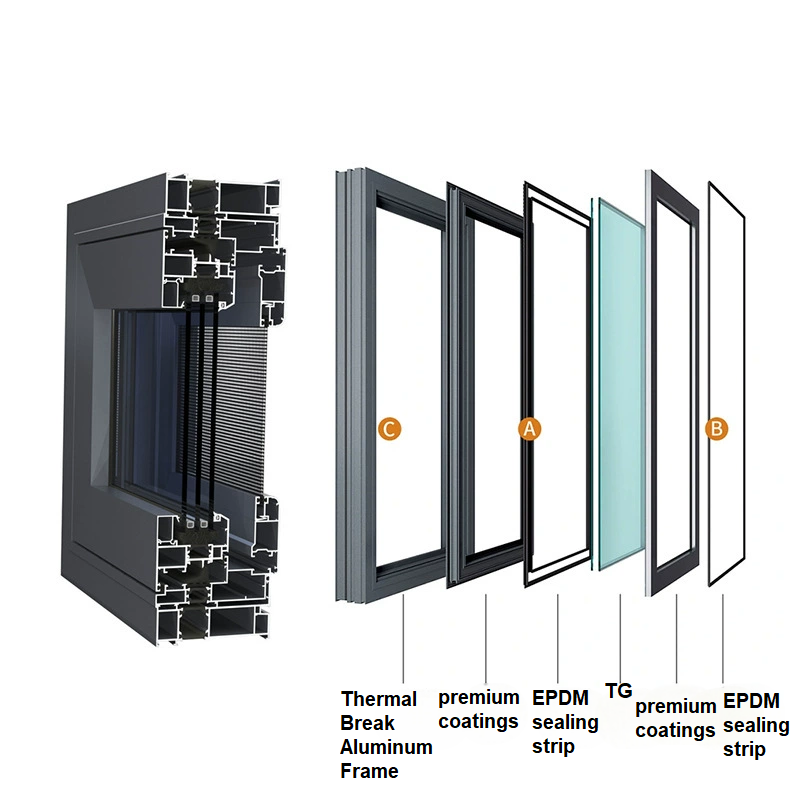
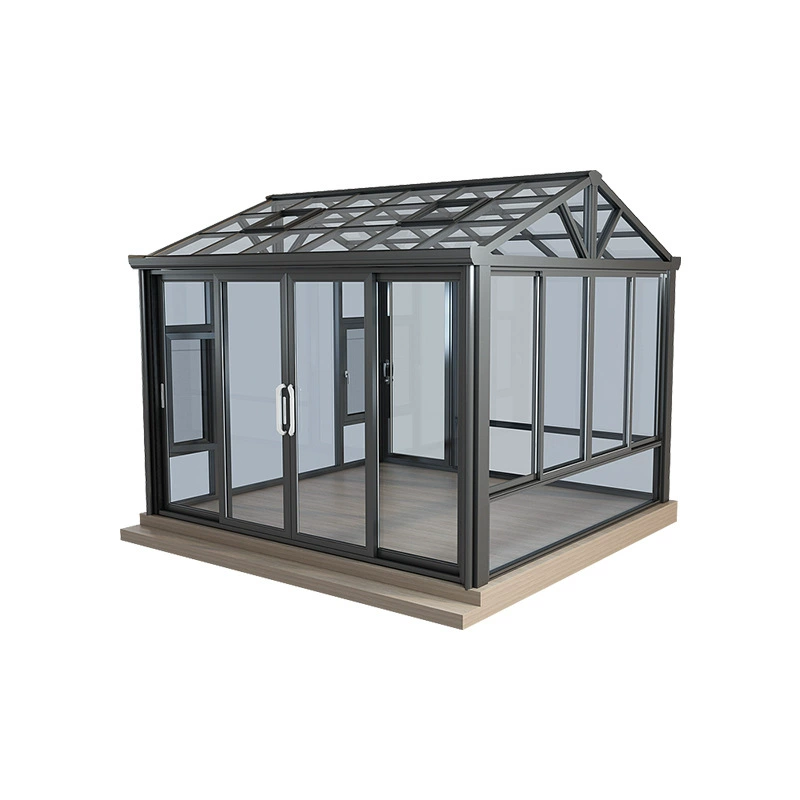
Sunroom thermal break aluminum doors and windows represent a significant investment in your home's comfort and energy efficiency. These specialized components serve as the critical barrier between your indoor climate-controlled environment and the exterior elements, making proper maintenance essential for sustained performance. Understanding the unique characteristics of thermal break aluminum technology and implementing a comprehensive maintenance strategy ensures your sunroom continues to provide optimal thermal efficiency while extending the lifespan of these premium installations.
Understanding Thermal Break Technology in Aluminum Framing
The Science Behind Thermal Break Systems
Thermal break technology fundamentally transforms how aluminum frames conduct heat and cold. Traditional aluminum frames create thermal bridges that allow exterior temperatures to penetrate indoor spaces, compromising energy efficiency. Sunroom thermal break aluminum systems interrupt this thermal pathway by incorporating insulating materials between the interior and exterior aluminum components. This innovative design significantly reduces heat transfer, maintaining consistent indoor temperatures while minimizing energy consumption for heating and cooling systems.
The thermal break consists of polyamide strips or similar low-conductivity materials that physically separate the inner and outer aluminum sections. This separation prevents the aluminum frame from becoming a conduit for thermal energy transfer. In sunroom applications, where large glass surfaces amplify thermal challenges, this technology becomes particularly crucial for maintaining comfortable indoor environments throughout seasonal temperature variations.
Material Composition and Performance Characteristics
Quality sunroom thermal break aluminum systems utilize high-grade aluminum alloys specifically engineered for structural integrity and corrosion resistance. The aluminum components undergo specialized treatments including anodization or powder coating to enhance durability and weather resistance. These surface treatments create protective barriers that prevent oxidation, maintain aesthetic appeal, and facilitate easier cleaning and maintenance procedures.
The insulating thermal break materials must withstand mechanical stresses from thermal expansion and contraction while maintaining their insulating properties over decades of service. Premium systems incorporate glass fiber reinforced polyamide breaks that provide excellent thermal performance combined with structural stability. Understanding these material characteristics helps inform appropriate maintenance approaches that preserve both functional performance and aesthetic qualities.
Essential Cleaning Procedures for Optimal Performance
Regular Surface Cleaning Protocols
Establishing consistent cleaning schedules prevents the accumulation of environmental contaminants that can compromise both appearance and functionality of sunroom thermal break aluminum components. Begin cleaning procedures by removing loose debris using soft-bristled brushes or compressed air, paying particular attention to drainage channels and weatherstrip grooves where moisture and particles commonly accumulate. These areas require thorough cleaning to prevent water retention and potential damage to sealing systems.
For general surface cleaning, utilize mild soap solutions with warm water, avoiding harsh chemicals or abrasive cleaners that can damage protective coatings. Apply cleaning solutions using soft cloths or non-abrasive sponges, working in systematic patterns to ensure complete coverage. Focus on removing fingerprints, environmental pollution, and weather-related residues that can gradually etch aluminum surfaces if left untreated. Thorough rinsing with clean water removes soap residues that might otherwise attract additional dirt accumulation.
Specialized Cleaning for Different Environmental Conditions
Coastal environments require enhanced cleaning frequency due to salt air exposure that accelerates corrosion processes in metal components. Monthly cleaning cycles help remove salt deposits before they penetrate protective coatings and compromise the underlying aluminum substrate. Urban environments present different challenges including air pollution, dust accumulation, and acid rain effects that require targeted cleaning approaches to maintain optimal sunroom thermal break aluminum performance.
Industrial areas may expose aluminum components to chemical pollutants requiring specific cleaning agents designed for contamination removal without damaging thermal break materials. Always test cleaning products on inconspicuous areas before applying to visible surfaces, ensuring compatibility with both aluminum finishes and polymer thermal break components. Document cleaning procedures and frequencies to establish baseline maintenance schedules tailored to specific environmental exposures.
Weatherstrip and Seal Maintenance Strategies
Inspection and Assessment Techniques
Weatherstrip integrity directly impacts the thermal performance of sunroom thermal break aluminum systems, requiring regular inspection and maintenance to prevent air infiltration and moisture penetration. Visual inspections should identify signs of wear including cracking, hardening, compression set, or detachment from mounting channels. These conditions compromise sealing effectiveness and allow conditioned air to escape while permitting outdoor air infiltration that reduces energy efficiency.
Physical testing involves gentle manipulation of weatherstrip materials to assess flexibility and resilience. Properly functioning weatherstrips maintain their original shape after compression and provide consistent contact pressure against mating surfaces. Pay particular attention to corner joints and transitions where multiple weatherstrip pieces meet, as these locations commonly develop gaps or separation that compromise overall sealing performance.
Replacement and Upgrade Procedures
When weatherstrip replacement becomes necessary, selecting compatible materials ensures continued optimal performance of sunroom thermal break aluminum systems. Modern weatherstrip materials include EPDM rubber, thermoplastic elastomers, and silicone formulations engineered for specific temperature ranges and environmental exposures. Choose replacement materials that match or exceed original specifications for durability, thermal stability, and chemical resistance.
Installation procedures require careful attention to proper positioning and secure attachment to prevent future displacement or premature failure. Clean mounting channels thoroughly before installing new weatherstrips, removing old adhesive residues or debris that might prevent proper seating. Apply appropriate adhesives or mechanical fasteners according to manufacturer specifications, ensuring continuous contact without gaps or overlaps that could compromise sealing effectiveness.
Hardware Lubrication and Adjustment Requirements
Operating Mechanism Maintenance
Smooth operation of sunroom thermal break aluminum doors and windows depends on properly maintained hardware components including hinges, locks, handles, and adjustment mechanisms. Regular lubrication prevents wear and corrosion while ensuring effortless operation that maintains proper sealing pressure when components are closed. Use manufacturer-recommended lubricants specifically formulated for aluminum door and window hardware, avoiding petroleum-based products that might damage polymer components or weatherstrip materials.
Focus lubrication efforts on pivot points, sliding tracks, and adjustment screws that experience frequent movement and mechanical stress. Apply lubricants sparingly to prevent dirt accumulation while ensuring adequate coverage of moving surfaces. Operate mechanisms through their full range of motion after lubrication to distribute products evenly and identify any remaining friction points that might require additional attention or adjustment.
Alignment and Calibration Procedures
Proper alignment ensures optimal sealing performance and prevents excessive wear on hardware components and weatherstrip materials. Sunroom thermal break aluminum systems incorporate adjustment mechanisms that accommodate thermal expansion, building settlement, and normal wear patterns over time. Regular alignment checks verify that doors and windows close properly with appropriate compression on weatherstrip seals without binding or excessive force requirements.
Adjustment procedures typically involve loosening mounting screws, repositioning components to achieve proper alignment, and retightening fasteners to specified torque values. Use appropriate measuring tools to verify consistent gaps and parallel alignment throughout the full range of motion. Document adjustment settings and dates to track performance trends and identify components that may require more frequent attention or eventual replacement.
Drainage System Maintenance and Troubleshooting
Preventing Water Accumulation Issues
Effective drainage systems protect sunroom thermal break aluminum components from water damage while preventing moisture infiltration that can compromise thermal performance and indoor air quality. Regular inspection of drainage channels, weep holes, and gutters identifies blockages or damage that might allow water accumulation in critical areas. Clear debris from drainage pathways using appropriate tools, avoiding damage to aluminum surfaces or drainage system components.
Seasonal maintenance includes verification that drainage systems function properly during heavy rainfall or snow melt conditions. Test drainage capacity by introducing controlled amounts of water into gutters and channels, observing flow patterns and identifying areas where improvements might be necessary. Address drainage deficiencies promptly to prevent water damage and maintain the structural integrity of aluminum framing systems.
Long-term Water Management Strategies
Comprehensive water management extends beyond immediate drainage concerns to include moisture vapor control and condensation prevention strategies. Sunroom thermal break aluminum systems must manage both liquid water and water vapor to prevent problems including corrosion, mold growth, and thermal performance degradation. Ensure adequate ventilation systems function properly to control indoor humidity levels and prevent condensation on aluminum surfaces.
Monitor basement and foundation areas adjacent to sunroom installations for signs of moisture infiltration that might indicate drainage system problems or groundwater issues affecting the building envelope. Address these concerns through appropriate waterproofing measures and drainage improvements that protect both the sunroom structure and surrounding building components from water-related damage.
Seasonal Maintenance Schedules and Inspection Protocols
Spring Preparation and Assessment
Spring maintenance focuses on addressing winter weather effects and preparing sunroom thermal break aluminum systems for increased seasonal use. Begin with comprehensive cleaning to remove accumulated dirt, salt residues, and environmental contaminants that may have built up during winter months. Inspect weatherstrip materials for damage caused by freeze-thaw cycles or ice formation, replacing components that show signs of deterioration or reduced flexibility.
Lubricate hardware components that may have stiffened during cold weather periods, ensuring smooth operation as temperature variations increase during spring and summer months. Test all operating mechanisms including locks, handles, and adjustment systems to verify proper function and identify any components requiring repair or replacement before peak usage seasons.
Fall Winterization Procedures
Fall maintenance preparations protect sunroom thermal break aluminum components from harsh winter conditions while optimizing thermal performance during heating seasons. Apply protective treatments to aluminum surfaces if recommended by manufacturers, focusing on areas exposed to severe weather conditions or showing signs of wear from seasonal use patterns.
Verify that drainage systems can handle increased water loads from rain and snow melt without creating ice dams or water retention problems that might damage aluminum components. Clear gutters and drainage channels of fallen leaves and debris that could block water flow during winter storms. Consider installing heating elements in critical drainage areas where ice formation might compromise system functionality.
Professional Inspection and Maintenance Services
When to Engage Professional Services
While many maintenance tasks can be performed by property owners, certain aspects of sunroom thermal break aluminum system care require professional expertise and specialized tools. Complex adjustments, hardware replacement, and structural assessments benefit from professional knowledge of manufacturer specifications and installation requirements. Schedule professional inspections annually or biannually depending on environmental exposures and system age to identify potential issues before they compromise performance or require expensive repairs.
Professional services provide access to specialized cleaning products, lubricants, and replacement parts that may not be readily available to property owners. Trained technicians can identify subtle signs of wear or damage that might escape notice during routine owner maintenance, preventing minor issues from developing into major problems requiring extensive repairs or component replacement.
Warranty Compliance and Documentation
Maintaining comprehensive maintenance records supports warranty claims and demonstrates proper care of sunroom thermal break aluminum investments. Document all cleaning, lubrication, adjustment, and repair activities with dates, materials used, and observations about component conditions. Photograph areas of concern or damage to provide visual documentation supporting warranty claims or insurance evaluations.
Follow manufacturer maintenance requirements precisely to avoid voiding warranty coverage through improper care or use of incompatible materials. Retain receipts for professional services and replacement parts as evidence of ongoing maintenance commitment and compliance with warranty terms and conditions.
FAQ
How often should I clean my sunroom thermal break aluminum doors and windows
Clean sunroom thermal break aluminum components monthly for optimal performance, with increased frequency in coastal or industrial environments where salt air or pollution exposure accelerates contamination. Seasonal deep cleaning should include detailed attention to weatherstrips, drainage channels, and hardware components to prevent accumulation of debris that might compromise functionality.
What cleaning products are safe for thermal break aluminum systems
Use mild soap solutions with warm water for routine cleaning, avoiding harsh chemicals, abrasive cleaners, or petroleum-based products that might damage protective coatings or polymer thermal break materials. Always test new cleaning products on inconspicuous areas before applying to visible surfaces to ensure compatibility with aluminum finishes.
When should weatherstrip materials be replaced in sunroom installations
Replace weatherstrip materials when they show signs of cracking, hardening, permanent compression, or detachment from mounting channels. Typically, quality weatherstrips last 5-10 years depending on environmental exposure and usage patterns, but annual inspections help identify premature failure requiring earlier replacement to maintain thermal performance.
Can I perform hardware adjustments on sunroom thermal break aluminum systems myself
Basic adjustments including minor alignment corrections and hardware lubrication can be performed by property owners using appropriate tools and following manufacturer guidelines. However, complex adjustments, hardware replacement, or structural modifications should be performed by qualified professionals to avoid damage and maintain warranty coverage.
Table of Contents
- Understanding Thermal Break Technology in Aluminum Framing
- Essential Cleaning Procedures for Optimal Performance
- Weatherstrip and Seal Maintenance Strategies
- Hardware Lubrication and Adjustment Requirements
- Drainage System Maintenance and Troubleshooting
- Seasonal Maintenance Schedules and Inspection Protocols
- Professional Inspection and Maintenance Services
- FAQ