
 EN
EN
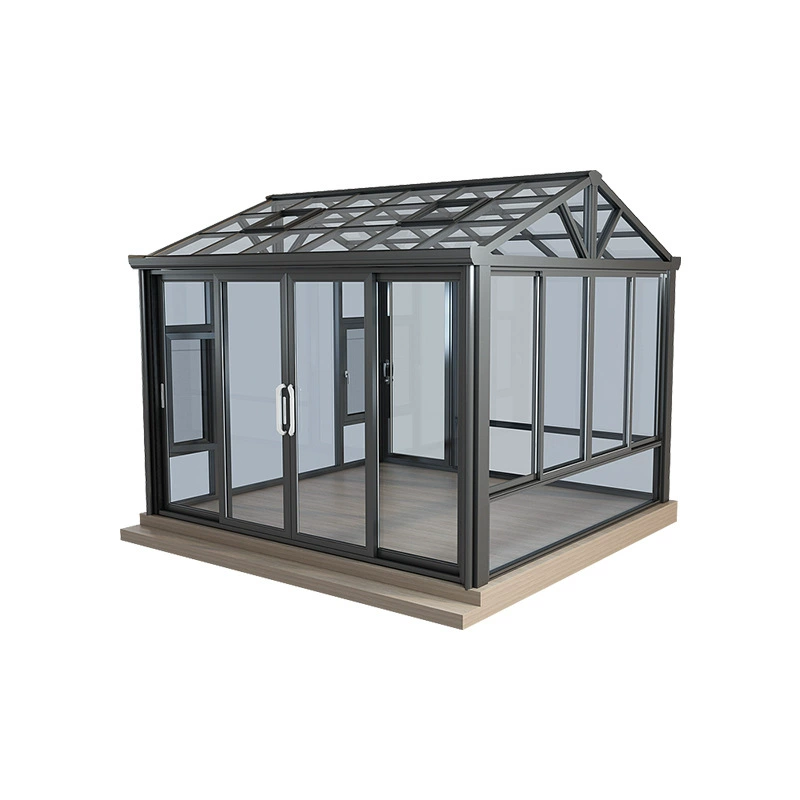
Creating the perfect sunroom requires careful consideration of many elements, but perhaps none are more critical than selecting the right thermal break aluminum doors and windows. These architectural components serve as the primary barrier between your comfortable indoor environment and the often harsh outdoor elements. The quality and design of your sunroom thermal break aluminum doors and windows directly impact energy efficiency, comfort levels, and the overall functionality of your space. Modern homeowners increasingly recognize that investing in high-quality thermal break technology represents a smart long-term decision that pays dividends through reduced energy costs and enhanced living comfort.
Understanding Thermal Break Technology in Aluminum Systems
The Science Behind Thermal Breaking
Thermal break technology represents a sophisticated engineering solution that addresses aluminum's natural tendency to conduct heat and cold. Traditional aluminum frames create thermal bridges that allow energy transfer between interior and exterior environments, leading to increased heating and cooling costs. The thermal break system interrupts this energy transfer by incorporating specialized polyamide strips or foam materials between the interior and exterior aluminum sections. This innovative design maintains the structural integrity of aluminum while dramatically improving thermal performance.
The polyamide strips used in quality sunroom thermal break aluminum doors and windows typically measure between 14mm to 32mm in width, with larger breaks providing superior thermal performance. These strips are engineered to withstand extreme temperature variations while maintaining their structural properties over decades of use. The manufacturing process involves precise crimping or rolling techniques that create a permanent mechanical bond between the aluminum sections and the thermal break material.
Performance Benefits of Thermal Break Systems
Advanced thermal break technology in aluminum door and window systems delivers measurable performance improvements that extend far beyond basic insulation. These systems can reduce heat transfer by up to 70% compared to standard aluminum frames, translating to significant energy savings throughout the year. The improved thermal performance also eliminates condensation issues that plague traditional aluminum systems, preventing moisture-related problems such as mold growth and structural damage.
Quality sunroom thermal break aluminum doors and windows maintain consistent interior surface temperatures, enhancing comfort while reducing the workload on HVAC systems. This thermal stability creates a more enjoyable living environment where occupants experience fewer cold spots near windows and doors during winter months. Additionally, the reduced thermal bridging helps maintain optimal humidity levels within the sunroom space.
Frame Design and Structural Considerations
Multi-Chamber Frame Profiles
Contemporary sunroom thermal break aluminum doors and windows incorporate sophisticated multi-chamber frame designs that maximize thermal performance while maintaining structural strength. These chamber systems create multiple air pockets within the frame profile, with each chamber serving as an additional barrier to heat transfer. Premium systems feature three to five chambers within each frame section, with strategic placement of thermal break materials to optimize energy efficiency.
The geometry of these chambers plays a crucial role in overall performance, with manufacturers employing advanced computer modeling to optimize air flow patterns and minimize convection currents within the frame cavities. Properly designed chamber systems also incorporate drainage channels that prevent water accumulation while maintaining thermal integrity. The wall thickness of aluminum extrusions typically ranges from 1.4mm to 2.0mm for residential applications, providing excellent durability without excessive weight.
Reinforcement and Load-Bearing Capacity
Structural integrity remains paramount when selecting sunroom thermal break aluminum doors and windows, particularly for large glazed areas common in sunroom applications. Quality systems incorporate strategic reinforcement elements such as steel or aluminum reinforcing tubes within hollow chambers to handle wind loads and structural stresses. These reinforcements are typically galvanized or powder-coated to prevent corrosion while maintaining compatibility with the thermal break system.
The connection methods between frame components significantly impact long-term performance and structural stability. Premium systems utilize mechanical corner connections with concealed fasteners rather than welded joints, allowing for thermal expansion while maintaining weatherproof seals. Proper engineering calculations should account for local wind loads, seismic requirements, and the specific glazing weight to ensure adequate structural performance throughout the system's lifespan.
Glazing Options and Energy Performance
Advanced Glass Technologies
The glazing selection for sunroom thermal break aluminum doors and windows dramatically influences overall energy performance and occupant comfort. Modern low-emissivity (Low-E) coatings represent the current standard for energy-efficient glazing, with different coating types optimized for specific climate conditions and solar orientations. Soft-coat Low-E systems provide superior thermal performance but require careful handling during installation, while hard-coat systems offer greater durability with slightly reduced energy benefits.
Double and triple glazing configurations offer varying levels of thermal performance, with the optimal choice depending on local climate conditions and energy efficiency goals. Gas fills such as argon or krypton between glass panes further enhance thermal performance, with krypton providing superior insulation properties at higher cost. The spacer system separating glass panes also impacts thermal performance, with warm-edge spacers reducing heat transfer at the glazing perimeter.
Solar Control and Light Management
Effective solar control becomes particularly important for sunroom applications where extensive glazing can lead to overheating during peak sun hours. Specialized glazing options include tinted glass, reflective coatings, and dynamic glazing technologies that automatically adjust their properties based on environmental conditions. These solutions help maintain comfortable interior temperatures while preserving natural light and outdoor views that make sunrooms so appealing.
The Solar Heat Gain Coefficient (SHGC) and Visible Light Transmittance (VLT) ratings help determine the optimal glazing balance for specific sunroom applications. Systems with SHGC values between 0.25 and 0.40 typically provide good solar control while maintaining adequate natural light, though specific requirements vary based on geographic location and building orientation. Advanced sunroom thermal break aluminum doors and windows can accommodate various glazing specifications to meet specific performance objectives.
Weather Sealing and Water Management
Comprehensive Sealing Systems
Effective weather sealing represents a critical aspect of quality sunroom thermal break aluminum doors and windows that directly impacts energy efficiency and long-term durability. Modern sealing systems typically employ multiple levels of protection, including primary weather seals, secondary drainage systems, and tertiary backup seals. EPDM rubber seals provide excellent weather resistance and maintain their flexibility across wide temperature ranges, ensuring consistent performance throughout seasonal variations.
The compression and design of weather seals significantly influence their long-term effectiveness, with properly designed systems providing consistent compression across the entire seal perimeter. Quality systems incorporate corner welding or molded corner details to eliminate potential leak paths at seal intersections. Regular seal maintenance and periodic replacement ensure continued weather protection and energy efficiency throughout the system's operational life.
Drainage and Moisture Management
Sophisticated drainage systems within sunroom thermal break aluminum doors and windows prevent water accumulation that could compromise thermal performance or cause structural damage. Multi-level drainage channels direct water away from critical areas while maintaining structural integrity and thermal break effectiveness. Properly designed systems include adequate drainage capacity for local rainfall intensity and incorporate overflow provisions for extreme weather events.
Vapor barrier integration within the thermal break system prevents condensation-related issues while allowing necessary moisture vapor transmission. The positioning of vapor barriers relative to thermal break elements requires careful engineering to prevent interstitial condensation that could degrade system performance over time. Quality systems undergo extensive testing to verify their moisture management performance under various climate conditions.
Hardware and Operation Mechanisms
Security and Locking Systems
Modern sunroom thermal break aluminum doors and windows incorporate sophisticated hardware systems that balance security requirements with ease of operation and energy efficiency. Multi-point locking systems provide superior security while ensuring consistent compression of weather seals around the entire door perimeter. These systems typically feature hook bolts, roller cams, or mushroom cams that engage with corresponding keeps in the frame, creating multiple secure connection points.
Hardware materials and finishes must withstand constant exposure to temperature variations and humidity without degrading or compromising functionality. Stainless steel components provide excellent corrosion resistance, while specialized coatings on aluminum hardware elements prevent galvanic corrosion where dissimilar metals contact each other. Quality hardware systems undergo extensive cycle testing to ensure reliable operation throughout their expected service life.
Ventilation and Air Flow Control
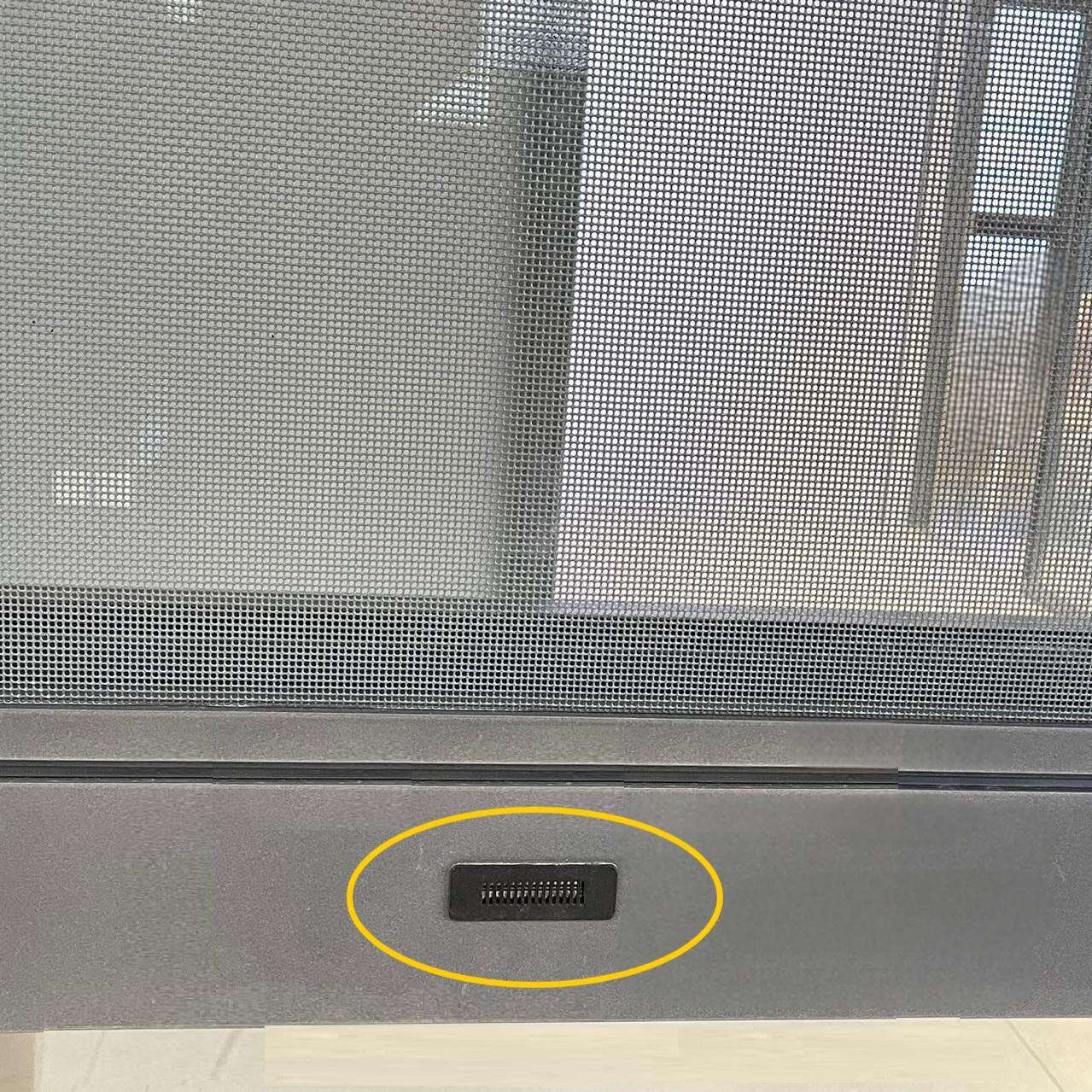
Controlled ventilation capabilities in sunroom thermal break aluminum doors and windows help maintain optimal indoor air quality while preserving energy efficiency. Integrated ventilation systems can include trickle vents, night cooling vents, or automated ventilation controls that respond to temperature and humidity conditions. These systems allow for natural air circulation without compromising the thermal performance of the overall assembly.
The positioning and sizing of ventilation elements require careful consideration to prevent drafts while providing adequate air exchange. Modern systems often incorporate adjustable ventilation controls that allow occupants to fine-tune air flow based on seasonal requirements and personal preferences. Properly designed ventilation systems contribute to overall comfort while reducing reliance on mechanical HVAC systems.
Installation and Quality Assurance Factors
Professional Installation Requirements
The installation quality of sunroom thermal break aluminum doors and windows significantly impacts their long-term performance and energy efficiency. Professional installers must understand the specific requirements of thermal break systems, including proper handling to prevent damage to polyamide strips and correct adjustment procedures for optimal seal compression. Installation tolerances are typically tighter for thermal break systems compared to standard aluminum products, requiring greater precision during the fitting process.
Proper flashing and waterproofing integration becomes particularly critical for sunroom applications where extensive glazing creates larger areas of potential water intrusion. Installation teams should follow manufacturer specifications precisely, including sealant types, cure times, and adjustment procedures. Quality installations include comprehensive testing of all seals and hardware operation before project completion.
Long-term Performance Monitoring
Establishing performance benchmarks for newly installed sunroom thermal break aluminum doors and windows enables ongoing monitoring of system effectiveness. Energy consumption monitoring can identify gradual degradation in thermal performance, while regular visual inspections help detect seal wear or hardware deterioration before major problems develop. Preventive maintenance programs significantly extend system lifespan while maintaining optimal energy efficiency.
Documentation of initial performance parameters provides valuable reference points for future assessments and warranty claims. Professional maintenance services can identify potential issues early and recommend appropriate corrective actions to preserve system performance. Regular maintenance schedules should include seal inspection, hardware lubrication, and drainage system cleaning to ensure continued optimal operation.
Cost Considerations and Return on Investment
Initial Investment Analysis
The upfront cost of premium sunroom thermal break aluminum doors and windows represents a significant investment that requires careful analysis of long-term benefits versus initial expenditure. While thermal break systems typically cost 15-25% more than standard aluminum products, the energy savings and improved comfort levels often justify this premium within 5-8 years of installation. Regional climate conditions and local energy costs significantly influence the payback period for these investments.
Financing options and available rebates can help offset initial costs while allowing immediate access to energy efficiency benefits. Many utility companies offer rebates for qualifying high-performance window and door installations, while federal and local tax incentives may apply to energy-efficient home improvements. The total cost analysis should include installation expenses, potential structural modifications, and any necessary HVAC system adjustments.
Lifecycle Value and Durability
Quality sunroom thermal break aluminum doors and windows typically provide 25-30 years of reliable service with proper maintenance, making them a sound long-term investment for most homeowners. The aluminum frames resist corrosion, warping, and degradation from UV exposure, while thermal break components maintain their properties throughout extended service periods. This durability translates to lower replacement costs and reduced maintenance requirements compared to other framing materials.
Energy savings accumulate throughout the system's lifespan, with increasing benefits as energy costs rise over time. The improved comfort and reduced HVAC system wear also contribute to overall value, though these benefits are more difficult to quantify precisely. Property value enhancement from quality sunroom installations often exceeds the initial investment cost, particularly in markets where energy efficiency features are highly valued.
FAQ
How much energy can thermal break aluminum doors and windows save compared to standard aluminum systems
Thermal break aluminum systems typically reduce heat transfer by 60-70% compared to standard aluminum frames, which translates to energy savings of 15-25% on heating and cooling costs in most climates. The exact savings depend on factors such as local weather conditions, home insulation levels, and existing HVAC system efficiency. In extreme climates, the energy savings can be even more substantial, with some homeowners reporting 30% or greater reductions in energy consumption after installing quality thermal break systems.
What maintenance is required for sunroom thermal break aluminum doors and windows
Regular maintenance for thermal break systems includes cleaning drainage channels, lubricating hardware components annually, and inspecting weather seals for wear or damage. The aluminum frames require only periodic cleaning with mild soap and water, while hardware should be lubricated with manufacturer-approved products to ensure smooth operation. Weather seals may need replacement every 10-15 years depending on exposure conditions, but the thermal break components themselves typically require no maintenance throughout their service life.
Can thermal break aluminum systems be repaired if damaged
Most components of thermal break aluminum door and window systems can be repaired or replaced without complete unit replacement. Hardware components, weather seals, and glazing units are typically serviceable, though thermal break repairs require specialized knowledge and materials. Minor aluminum frame damage can often be repaired through welding and refinishing, while more extensive damage may require section replacement. Professional assessment is recommended for any damage that might compromise the thermal break integrity.
What certifications should I look for when selecting thermal break aluminum products
Look for products certified by recognized testing organizations such as NFRC (National Fenestration Rating Council) for energy performance ratings, AAMA (American Architectural Manufacturers Association) for structural and weather performance, and ENERGY STAR qualification for energy efficiency standards. International certifications such as CE marking for European standards or CSA certification for Canadian requirements may also be relevant depending on your location. These certifications ensure that the products have undergone rigorous testing and meet established performance standards for thermal, structural, and weather resistance properties.
Table of Contents
- Understanding Thermal Break Technology in Aluminum Systems
- Frame Design and Structural Considerations
- Glazing Options and Energy Performance
- Weather Sealing and Water Management
- Hardware and Operation Mechanisms
- Installation and Quality Assurance Factors
- Cost Considerations and Return on Investment
-
FAQ
- How much energy can thermal break aluminum doors and windows save compared to standard aluminum systems
- What maintenance is required for sunroom thermal break aluminum doors and windows
- Can thermal break aluminum systems be repaired if damaged
- What certifications should I look for when selecting thermal break aluminum products