
 EN
EN
Managing an Airbnb property requires seamless coordination between hosts and guests, especially when it comes to secure and convenient access. Traditional key exchanges often create logistical challenges, security risks, and unnecessary complications that can negatively impact guest experiences. A smart door lock with temporary access codes emerges as the perfect solution for modern vacation rental hosts who prioritize both security and operational efficiency.
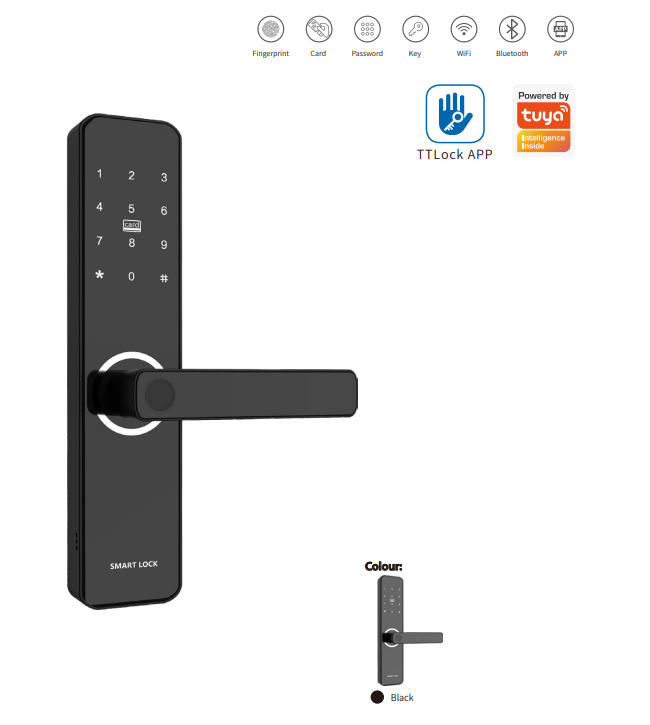
The vacation rental industry has experienced tremendous growth, with millions of properties worldwide catering to travelers seeking authentic accommodations. This expansion has highlighted the critical importance of streamlined property access systems that eliminate friction while maintaining robust security standards. Smart door lock technology addresses these fundamental challenges by providing automated, code-based entry systems that can be managed remotely.
For Airbnb hosts, the ability to generate unique temporary access codes represents a paradigm shift from traditional property management approaches. These advanced locking systems enable hosts to create time-sensitive entry codes that automatically activate before guest arrivals and expire after checkout, ensuring complete access control without physical key distribution or in-person meetings.
Enhanced Security Features for Vacation Rental Properties
Advanced Encryption and Access Monitoring
Modern smart door lock systems incorporate military-grade encryption protocols that protect against unauthorized access attempts and digital breaches. These sophisticated security measures ensure that temporary access codes cannot be intercepted or duplicated by malicious actors. Additionally, comprehensive access logging provides detailed records of all entry and exit activities, enabling hosts to monitor property usage patterns and identify any suspicious behavior.
Real-time notifications alert property owners whenever codes are used, providing immediate awareness of guest arrivals and departures. This feature proves invaluable for hosts managing multiple properties or those who live far from their rental units. The ability to track access patterns also helps identify maintenance windows and optimize cleaning schedules based on actual occupancy data.
Elimination of Physical Key Vulnerabilities
Traditional key-based systems create numerous security vulnerabilities that smart door lock technology effectively eliminates. Physical keys can be lost, duplicated without authorization, or forgotten by departing guests, leading to potential security breaches and costly lock replacements. Smart locks with temporary codes remove these risks entirely by providing digital access that cannot be physically compromised.
The automated nature of temporary access codes ensures that previous guests cannot retain entry privileges beyond their stay duration. Unlike physical keys that might be inadvertently kept or intentionally retained, digital codes expire automatically according to predetermined schedules. This systematic approach to access control significantly reduces the likelihood of unauthorized property entries and associated security incidents.
Operational Efficiency and Cost Benefits
Streamlined Check-in and Check-out Processes
Implementing a smart door lock system dramatically simplifies guest check-in procedures by eliminating the need for physical key exchanges or lockbox coordination. Hosts can generate and distribute unique access codes via email or messaging platforms, allowing guests to arrive at their convenience without scheduling conflicts or delays. This self-service approach reduces operational overhead while improving guest satisfaction through flexible arrival times.
The automated checkout process further enhances operational efficiency by ensuring that access codes expire precisely when guests are scheduled to depart. This eliminates concerns about late checkouts or extended access periods, while reducing the need for hosts to coordinate key returns or verify property security after guest departures. Such automation allows hosts to focus on other essential property management tasks.
Reduced Maintenance and Replacement Costs
Smart door lock systems significantly reduce maintenance expenses associated with traditional locking mechanisms. Physical locks require periodic replacement due to wear, weather exposure, or security breaches, while smart locks maintain consistent performance over extended periods. The elimination of physical key production and distribution costs further contributes to overall operational savings.
Battery-powered smart locks typically operate for months or even years before requiring replacement, and most systems provide low-battery notifications well in advance of power depletion. This predictable maintenance schedule allows hosts to plan replacement activities without emergency situations or guest inconvenience. The long-term cost benefits of smart door lock systems often justify initial investment costs within the first year of operation.
Guest Experience Enhancement
Improved Arrival Flexibility
Modern travelers increasingly value flexibility and convenience in their accommodation experiences. Smart door lock systems with temporary access codes provide guests with unprecedented arrival flexibility by eliminating rigid check-in schedules and key pickup requirements. Guests can arrive at any time within their booking period without coordinating with hosts or property managers, significantly improving their overall travel experience.
This flexibility proves particularly valuable for international travelers dealing with flight delays, time zone adjustments, or extended travel itineraries. Rather than worrying about key pickup logistics or host availability, guests can proceed directly to their accommodations with confidence that access will be available when needed. Such convenience often translates into positive reviews and repeat bookings for conscientious hosts.
Enhanced Privacy and Independence
Smart door lock systems provide guests with greater privacy by eliminating the need for personal interactions during check-in and checkout processes. Many travelers prefer self-service options that allow them to begin their stays immediately upon arrival without waiting for host availability or scheduling conflicts. This independence contributes to a more authentic residential experience that many Airbnb guests specifically seek.
The discrete nature of code-based entry systems also appeals to guests who value privacy during their stays. Unlike traditional key exchanges that may require personal meetings or public lockbox access, smart door lock codes can be shared privately through secure communication channels. This approach respects guest preferences while maintaining necessary security protocols for property protection.
Technology Integration and Remote Management
Mobile Application Control
Contemporary smart door lock systems feature comprehensive mobile applications that enable hosts to manage access codes remotely from anywhere in the world. These intuitive platforms allow for instant code generation, schedule modifications, and access monitoring without requiring physical presence at the property. Such remote capabilities prove essential for hosts managing multiple properties or those who travel frequently.
Advanced mobile applications also provide integration capabilities with popular property management systems and booking platforms. This connectivity enables automated code generation based on reservation data, eliminating manual intervention and reducing the possibility of human error. Seamless integration streamlines operations while ensuring that access codes align perfectly with guest booking schedules and property availability.
Data Analytics and Performance Insights
Smart door lock systems generate valuable data analytics that help hosts optimize their property management strategies. Access pattern analysis reveals peak usage times, average stay durations, and guest behavior trends that inform pricing decisions and operational improvements. This data-driven approach enables hosts to make informed decisions about property enhancements and service offerings.
Historical access data also supports security investigations and insurance claims when necessary. Detailed logs provide concrete evidence of property usage patterns and can help resolve disputes or clarify incidents that may occur during guest stays. The availability of comprehensive access records demonstrates professional property management practices to insurance providers and regulatory authorities.
Installation and Setup Considerations
Hardware Compatibility and Requirements
Most smart door lock systems are designed for straightforward installation on standard residential doors without requiring significant modifications or professional assistance. However, hosts should carefully evaluate door thickness, existing hardware compatibility, and power requirements before selecting a specific smart door lock model. Proper assessment ensures optimal performance and longevity of the access control system.
Battery life considerations play a crucial role in system reliability, particularly for remote properties where frequent maintenance visits may be impractical. High-quality smart door lock systems typically provide six months to two years of operation on standard batteries, depending on usage frequency and environmental conditions. Hosts should establish monitoring protocols to ensure consistent system availability for guest arrivals.
Network Connectivity and Backup Options
Smart door lock functionality often depends on reliable internet connectivity for remote management and real-time notifications. Hosts should verify network coverage at their properties and consider backup connectivity options such as cellular bridges or mesh network extenders. Robust connectivity ensures that temporary access codes can be managed effectively regardless of local network conditions.
Many advanced smart door lock systems include offline backup modes that maintain basic functionality even during network outages. These systems can store multiple temporary codes locally and continue operating according to predetermined schedules. Such redundancy provides peace of mind for hosts and ensures that guests retain property access even during technical difficulties or service interruptions.
FAQ
How long do temporary access codes remain active
Temporary access codes can be programmed for any duration according to guest booking periods, typically ranging from a few hours to several weeks. Most smart door lock systems allow hosts to set precise activation and expiration times that align perfectly with check-in and checkout schedules, ensuring that codes become active just before guest arrivals and expire immediately after departures.
Can multiple guests use the same temporary access code
Yes, temporary access codes can be shared among all authorized guests within a single booking group. The smart door lock system recognizes valid codes regardless of which specific guest uses them, making it convenient for families or groups traveling together. However, each booking should receive a unique code to maintain security separation between different guest stays.
What happens if the smart door lock battery dies during a guest stay
Most quality smart door lock systems provide low battery warnings weeks before power depletion, allowing hosts to schedule maintenance proactively. Many models also include emergency backup power options such as external battery terminals or traditional key overrides. Additionally, some systems store active codes locally, ensuring continued operation even during power transitions.
Are temporary access codes secure against hacking attempts
Modern smart door lock systems employ advanced encryption protocols and security measures that make unauthorized code access extremely difficult. Temporary codes are typically generated using complex algorithms that resist brute force attacks, and the time-limited nature of these codes further reduces security risks. Regular firmware updates from reputable manufacturers continue to enhance security against emerging threats.