
 EN
EN
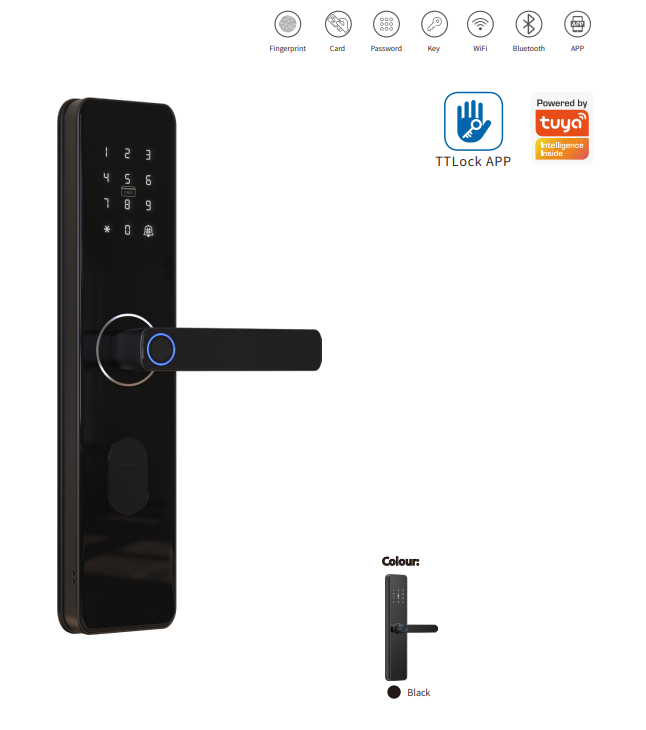
The modern smart home ecosystem has revolutionized how we interact with our living spaces, and a smart door lock represents one of the most crucial security components in this interconnected environment. As homeowners increasingly seek convenient and secure access solutions, the integration of intelligent locking systems with existing smart home platforms has become a paramount consideration. The seamless connectivity between your smart door lock and other automated devices can transform your entire home security experience while providing unprecedented control over access management.
Understanding Smart Home Integration Fundamentals
Communication Protocols and Compatibility
The foundation of successful smart door lock integration lies in understanding the various communication protocols that enable device connectivity within your home automation network. Popular protocols include Wi-Fi, Bluetooth, Z-Wave, and Zigbee, each offering distinct advantages for different application scenarios. A well-designed smart door lock typically supports multiple protocols to ensure broad compatibility with existing smart home hubs and controllers.
Wi-Fi connectivity provides direct internet access, allowing remote monitoring and control of your smart door lock from anywhere in the world. However, this convenience comes with increased power consumption and potential security vulnerabilities that require careful consideration. Bluetooth Low Energy offers excellent battery life and secure local communication, though it limits remote access capabilities unless paired with a compatible hub or bridge device.
Z-Wave and Zigbee protocols create mesh networks that enhance reliability and extend communication range throughout your property. These protocols are particularly effective for smart door lock installations in larger homes where Wi-Fi signals might be inconsistent. The mesh topology ensures that your smart door lock maintains connectivity even if individual network nodes experience temporary failures or interference.
Hub Compatibility and Ecosystem Requirements
Modern smart home ecosystems typically revolve around central hubs that coordinate communication between various connected devices. Popular platforms like SmartThings, Hubitat, Home Assistant, and proprietary solutions from major manufacturers each offer unique advantages for smart door lock integration. Understanding your existing hub capabilities and limitations is essential for selecting a compatible locking system.
Amazon Alexa, Google Assistant, and Apple HomeKit represent the dominant voice control platforms that many homeowners expect their smart door lock to support. These ecosystems provide standardized interfaces for device control and automation, enabling voice commands, mobile app management, and integration with other smart home components like lighting, thermostats, and security cameras.
Professional installation and configuration services can ensure optimal integration between your new smart door lock and existing smart home infrastructure. These services typically include network assessment, protocol optimization, and comprehensive testing to verify seamless operation across all connected devices and platforms within your home automation ecosystem.
Advanced Integration Features and Capabilities
Automation and Scene Control
The true power of a smart door lock emerges when integrated with comprehensive home automation scenes that coordinate multiple devices based on specific triggers or schedules. Advanced integration enables your locking system to automatically engage when your security system arms, adjust lighting levels upon unlocking, or modify thermostat settings based on occupancy detection and access patterns.
Geofencing capabilities allow your smart door lock to respond intelligently to your location, automatically unlocking as you approach home or securing the property when you leave. This feature requires careful calibration to balance convenience with security, ensuring that unauthorized individuals cannot exploit location-based automation to gain access to your property.
Time-based automation rules can restrict access during specific hours, automatically lock doors at predetermined times, or grant temporary access to service providers, guests, or delivery personnel. These sophisticated scheduling features demonstrate the advanced capabilities possible when your smart door lock operates as an integral component of your broader home automation strategy.
Security Integration and Monitoring
Integration with existing security cameras, motion sensors, and alarm systems creates a comprehensive protection network that enhances the effectiveness of your smart door lock installation. When properly configured, these interconnected systems can provide detailed activity logs, visual verification of access events, and immediate notifications of any suspicious activity or unauthorized entry attempts.
Advanced smart door lock systems can trigger security camera recordings when access codes are entered, motion is detected, or unusual activity patterns are identified. This integration provides valuable forensic information and enables real-time monitoring of your property's security status from remote locations using mobile applications or web-based dashboards.
Professional monitoring services can integrate directly with your smart door lock system to provide 24/7 oversight and emergency response capabilities. These services typically include immediate alerts for security breaches, automatic emergency service dispatch, and detailed reporting on all access events and system status changes throughout your property.
Installation and Configuration Best Practices
Network Optimization and Signal Strength
Successful smart door lock integration requires careful attention to network infrastructure and signal optimization throughout your property. Weak Wi-Fi signals, interference from other electronic devices, and physical obstacles can significantly impact the reliability and performance of your connected locking system. Professional site surveys can identify potential connectivity issues before installation begins.
Mesh network extenders, Wi-Fi access points, and signal boosters may be necessary to ensure consistent communication between your smart door lock and the central control hub. The investment in robust network infrastructure pays dividends in system reliability, response time, and overall user satisfaction with your integrated smart home ecosystem.
Regular network maintenance, firmware updates, and security patches are essential for maintaining optimal performance and protecting against emerging cyber threats. Many modern smart door lock systems include automatic update mechanisms that ensure your security remains current without requiring manual intervention or technical expertise.
User Management and Access Control
Comprehensive user management capabilities enable sophisticated access control policies that can accommodate family members, guests, service providers, and temporary visitors with varying levels of system privileges. Advanced smart door lock systems support hundreds of individual user codes, biometric profiles, and access schedules that can be managed through intuitive mobile applications or web-based interfaces.
Integration with existing identity management systems, employee databases, or tenant management platforms can streamline access control administration for commercial properties or multi-unit residential buildings. These enterprise-grade features demonstrate the scalability and flexibility possible with properly integrated smart door lock solutions.
Audit trails and detailed logging capabilities provide comprehensive records of all access events, configuration changes, and system interactions. This information is valuable for security analysis, compliance reporting, and troubleshooting any issues that may arise during normal operation of your integrated smart home ecosystem.
Troubleshooting Common Integration Challenges
Connectivity and Communication Issues
Despite careful planning and professional installation, smart door lock integration can occasionally experience connectivity challenges that require systematic troubleshooting and resolution. Common issues include intermittent communication failures, delayed response times, and conflicts between different wireless protocols operating within the same environment.
Signal interference from neighboring Wi-Fi networks, microwave ovens, baby monitors, and other electronic devices can disrupt communication between your smart door lock and the central hub. Identifying and mitigating these interference sources often requires specialized diagnostic equipment and expertise in radiofrequency management techniques.
Battery management represents another critical consideration for wireless smart door lock systems, as low battery levels can cause erratic behavior, connectivity issues, and unexpected lockouts. Implementing proactive battery monitoring and replacement schedules ensures consistent performance and prevents security vulnerabilities that could arise from system failures.
Software and Firmware Compatibility
Keeping your smart door lock firmware current with the latest security patches and feature updates is essential for maintaining optimal integration with evolving smart home platforms. Compatibility issues between different software versions can cause unexpected behavior, reduced functionality, or complete communication failures between connected devices.
Regular compatibility testing after system updates helps identify and resolve potential conflicts before they impact daily operations. Many manufacturers provide detailed compatibility matrices and testing protocols that guide users through the validation process for their specific smart door lock and hub combinations.
Professional technical support services can provide expert assistance with complex integration challenges, software conflicts, and advanced configuration requirements that exceed typical homeowner technical capabilities. These services often include remote diagnostic capabilities and step-by-step guidance for resolving sophisticated integration issues.
Future-Proofing Your Smart Home Security
Emerging Technologies and Standards
The smart home industry continues to evolve rapidly, with new communication protocols, security standards, and integration capabilities emerging regularly. Selecting a smart door lock system that supports emerging standards like Matter, Thread, and next-generation wireless protocols ensures long-term compatibility with future smart home technologies and platforms.
Artificial intelligence and machine learning capabilities are increasingly being integrated into smart door lock systems, enabling predictive security features, behavioral analysis, and adaptive access control policies. These advanced features can learn from usage patterns to optimize performance, detect anomalous behavior, and provide proactive security recommendations.
Cloud-based analytics and remote management capabilities continue to expand, offering sophisticated insights into access patterns, security trends, and system performance metrics. These features enable data-driven decision-making for security policy optimization and provide valuable intelligence for property management and security assessment purposes.
Scalability and Expansion Considerations
Planning for future expansion of your smart home ecosystem is crucial when selecting and configuring a smart door lock system. Modular designs that support additional sensors, secondary access points, and integration with emerging security technologies provide flexibility for evolving security requirements and changing lifestyle needs.
Investment in scalable network infrastructure and hub capabilities ensures that your smart door lock integration can accommodate additional connected devices without compromising performance or reliability. This forward-thinking approach maximizes the value of your initial investment while providing a foundation for continuous security enhancement.
Professional consultation services can provide valuable guidance on expansion planning, technology roadmaps, and integration strategies that align with your long-term security objectives and budget considerations. These services help ensure that your smart door lock investment delivers maximum value and functionality throughout its operational lifetime.
FAQ
What smart home platforms are compatible with most smart door lock systems
Most modern smart door lock systems support integration with major platforms including Amazon Alexa, Google Assistant, Apple HomeKit, Samsung SmartThings, and Hubitat. Many also work with Z-Wave and Zigbee hubs, ensuring broad compatibility with existing smart home ecosystems. It's important to verify specific compatibility requirements before purchasing, as some advanced features may only be available with certain platform combinations.
How secure is the wireless communication between a smart door lock and my home network
Modern smart door lock systems employ bank-grade encryption protocols including AES-256 encryption, secure key exchange mechanisms, and regular security updates to protect against cyber threats. The communication typically uses multiple layers of security including device authentication, encrypted data transmission, and secure cloud connections. However, maintaining current firmware and following security best practices are essential for optimal protection.
Can I install and configure a smart door lock integration myself
While many smart door lock systems are designed for DIY installation, successful integration with existing smart home ecosystems often requires technical expertise in networking, wireless protocols, and security configuration. Basic installations may be manageable for technically inclined homeowners, but complex integrations involving multiple protocols, security systems, or commercial applications typically benefit from professional installation and configuration services.
What happens if my internet connection fails or my smart home hub goes offline
Quality smart door lock systems include offline backup capabilities such as physical key access, battery-powered operation, and local communication protocols that maintain basic functionality during network outages. Many systems store user codes and access permissions locally, ensuring that authorized users can still gain entry even when internet connectivity is unavailable. However, remote monitoring and advanced automation features will be temporarily disabled until connectivity is restored.
Table of Contents
- Understanding Smart Home Integration Fundamentals
- Advanced Integration Features and Capabilities
- Installation and Configuration Best Practices
- Troubleshooting Common Integration Challenges
- Future-Proofing Your Smart Home Security
-
FAQ
- What smart home platforms are compatible with most smart door lock systems
- How secure is the wireless communication between a smart door lock and my home network
- Can I install and configure a smart door lock integration myself
- What happens if my internet connection fails or my smart home hub goes offline