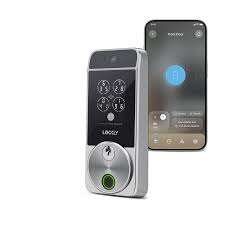
Enhanced Security Through Smart Technology Integration
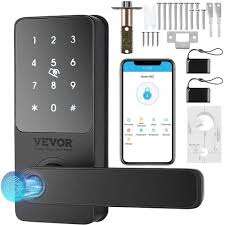
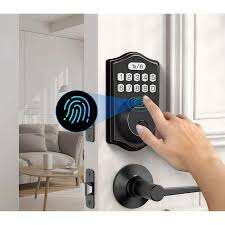
The enhanced security features embedded within a digital entry door lock provide protection layers that mechanical locks simply cannot match. Traditional lock security depends entirely on the complexity of the key pattern and the quality of the cylinder mechanism, both of which can be compromised through picking, bumping, or forced entry techniques that skilled intruders have mastered. In contrast, a digital entry door lock employs encryption algorithms, rolling codes, and authentication protocols that actively resist hacking attempts while creating comprehensive security awareness through real-time monitoring and alerts. The intelligent tamper detection systems built into quality digital entry door lock models recognize forced entry attempts and respond immediately. If someone tries to pry the lock, enter incorrect codes repeatedly, or physically assault the mechanism, you receive instant notifications on your smartphone regardless of your location. This immediate awareness allows you to contact authorities or take other protective measures within seconds of a breach attempt, dramatically reducing the window of vulnerability compared to traditional locks where you might not discover a break-in until hours or days later. The audit trail functionality creates an unassailable record of all access events, providing forensic evidence that proves invaluable for security investigations and insurance claims. Every time someone uses a digital entry door lock, the system records the date, time, and specific credential used, building a comprehensive history that you can review at any time. This documentation serves multiple purposes beyond security, helping families understand patterns, businesses track employee movements for billing or scheduling purposes, and property managers maintain compliance with access control policies. The encrypted communication between a digital entry door lock and your smartphone or control hub prevents interception and replay attacks. Advanced systems employ two-factor authentication requiring both something you know like a PIN code and something you have like your smartphone or something you are like your fingerprint, creating multiple barriers that unauthorized individuals must overcome. The absence of a physical keyway eliminates lock picking as an entry method entirely, while anti-drill plates and reinforced construction protect against forced entry. Many digital entry door lock systems include auto-locking features that secure your door automatically after a specified period, eliminating the human error factor where occupants forget to lock doors when leaving. This automated security ensures consistent protection without requiring conscious effort or memory, particularly valuable for elderly individuals who may struggle with security routines or busy families rushing out the door during morning chaos. Integration with comprehensive home security systems elevates a digital entry door lock from a standalone component to a coordinated security hub that works in concert with cameras, motion sensors, and alarm systems to create layered protection.

 EN
EN