
 EN
EN
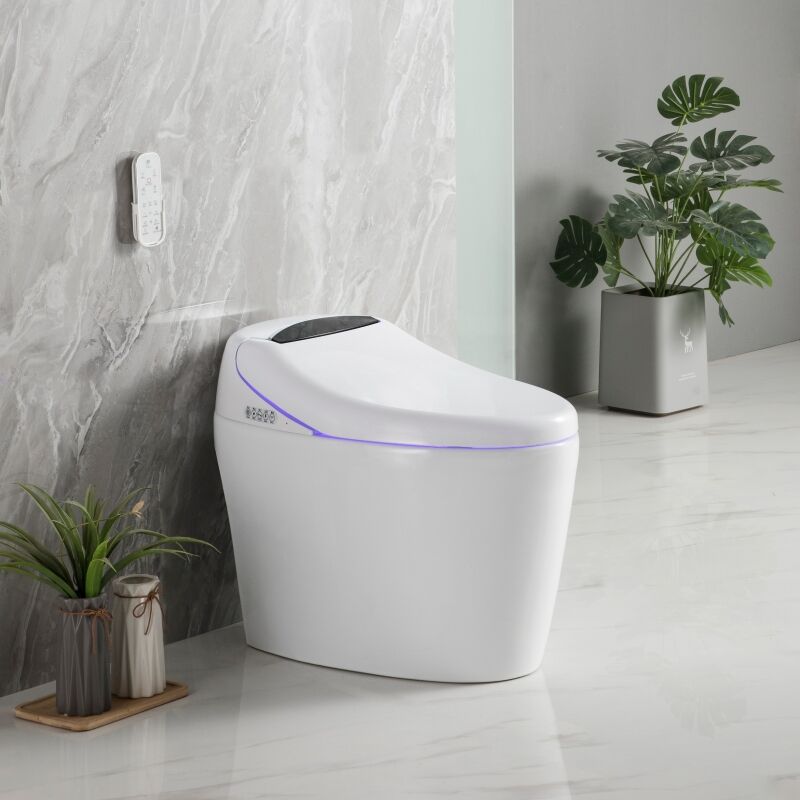
Modern homeowners are increasingly seeking innovative solutions to enhance their daily routines while prioritizing health and hygiene. The installation of a smart toilet represents a significant advancement in bathroom technology that offers numerous benefits beyond conventional fixtures. These intelligent bathroom systems integrate cutting-edge features designed to promote better personal hygiene, reduce the spread of harmful bacteria, and create a more comfortable user experience. Understanding the health and hygiene advantages of smart toilet technology can help homeowners make informed decisions about upgrading their bathroom facilities.
Advanced Hygiene Features and Antimicrobial Protection
Touchless Operation Technology
The touchless operation capabilities of a smart toilet significantly reduce the transmission of germs and bacteria that commonly occur with traditional bathroom fixtures. Automatic lid opening and closing mechanisms eliminate the need for manual contact, while motion sensors detect user presence to activate various functions. These sensors work in conjunction with automated flushing systems that engage without requiring physical interaction with handles or buttons. The reduction in surface contact points creates a more sanitary environment that helps protect against the spread of infectious diseases and maintains higher standards of personal hygiene.
Smart toilet systems often incorporate ultraviolet sterilization technology that continuously disinfects the bowl and seat surfaces between uses. This automated sanitization process eliminates up to 99.9% of harmful microorganisms, including bacteria, viruses, and fungi that can cause infections or unpleasant odors. The UV sterilization occurs during and after each flush cycle, ensuring that the toilet maintains optimal cleanliness levels throughout the day without requiring manual cleaning interventions.
Self-Cleaning Mechanisms
Modern smart toilet designs feature comprehensive self-cleaning systems that maintain superior hygiene standards through automated washing cycles. The rim and nozzle cleaning functions activate after each use, utilizing powerful water jets and cleaning solutions to remove residue and prevent bacterial growth. These systems employ specialized cleaning nozzles that extend and retract automatically, ensuring thorough coverage of all interior surfaces while maintaining the cleanliness of the cleaning mechanisms themselves.
The self-cleaning capabilities extend beyond basic washing to include advanced filtration systems that purify the water used in cleaning cycles. Activated carbon filters and ionization processes remove impurities and add antimicrobial properties to the cleaning water, enhancing the effectiveness of the automated hygiene protocols. This continuous cleaning cycle ensures that each smart toilet use begins with a completely sanitized fixture, providing users with confidence in the cleanliness and safety of their bathroom experience.
Health Benefits Through Enhanced Comfort and Functionality
Ergonomic Design and Accessibility Features
The ergonomic design elements integrated into smart toilet systems provide significant health benefits for users of all ages and physical abilities. Adjustable seat heights and angles accommodate different body types and mobility requirements, reducing strain on joints and muscles during use. Heated seats maintain optimal comfort temperatures that promote relaxation and reduce the shock of cold surfaces, particularly beneficial for individuals with circulation issues or arthritis.
Smart toilet accessibility features include grab bars, raised seating options, and easy-to-reach control panels that support users with limited mobility or balance concerns. These design elements help prevent falls and injuries while providing independence and dignity for elderly users or those recovering from medical procedures. The combination of safety features and comfortable positioning contributes to overall physical well-being and reduces the risk of bathroom-related accidents.
Therapeutic Water Features
The therapeutic water features available in smart toilet systems offer numerous health advantages that extend beyond basic hygiene functions. Adjustable water temperature and pressure settings allow users to customize their cleansing experience for optimal comfort and effectiveness. Warm water cleansing is particularly beneficial for individuals with sensitive skin conditions, hemorrhoids, or post-surgical recovery needs, providing gentle yet thorough cleaning that promotes healing and reduces irritation.
Specialized water jet patterns and massage functions integrated into smart toilet systems can provide therapeutic benefits for users with digestive issues or circulation problems. The gentle massage action stimulates blood flow and can help alleviate discomfort associated with various medical conditions. These therapeutic features make the smart toilet an investment in both daily hygiene and long-term health maintenance.
Air Quality and Odor Management Systems
Advanced Ventilation Technology
Smart toilet air quality management systems incorporate sophisticated ventilation technology that actively removes odors and maintains fresh bathroom environments. Built-in exhaust fans with variable speed controls automatically adjust airflow based on usage patterns and air quality sensors. These systems create negative pressure within the toilet bowl area, capturing and filtering odors before they can spread throughout the bathroom space.
The ventilation systems in smart toilet units often include multi-stage filtration processes that remove not only odors but also airborne particles and potential allergens. HEPA filters and activated carbon elements work together to purify the air and maintain healthy breathing conditions. This comprehensive air management approach is particularly beneficial for individuals with respiratory sensitivities or allergies, creating a cleaner and more comfortable bathroom environment.
Deodorization and Air Purification
Advanced deodorization systems integrated into smart toilet designs utilize ionization technology and ozone generation to neutralize odor-causing molecules at the molecular level. These systems work continuously to maintain optimal air quality without relying on artificial fragrances or chemical air fresheners that can trigger allergic reactions. The natural odor elimination process creates a healthier indoor environment while maintaining discretion and comfort for users and household members.
Smart toilet air purification capabilities extend beyond odor control to include the removal of harmful volatile organic compounds and bacteria from the surrounding air. Photocatalytic oxidation processes break down organic pollutants and create cleaner air conditions that support respiratory health. This comprehensive approach to air quality management makes the smart toilet a valuable addition to homes where air purity and health are primary concerns.
Water Conservation and Environmental Health Benefits
Efficient Water Usage Systems
Smart toilet water conservation features contribute to environmental health while maintaining superior cleaning performance through innovative flush technology. Dual-flush systems and variable water volume controls allow users to select appropriate water quantities based on waste type, significantly reducing overall water consumption compared to traditional toilets. These efficiency improvements help preserve water resources while maintaining optimal hygiene standards.
The precision water delivery systems in smart toilet designs optimize cleaning effectiveness while minimizing waste through targeted spray patterns and pressure controls. Advanced sensors monitor usage patterns and adjust water flow automatically to ensure thorough cleaning with minimal environmental impact. This intelligent water management approach supports sustainable living practices while delivering superior hygiene results that benefit both personal and environmental health.
Sustainable Technology Integration
Modern smart toilet systems incorporate sustainable technology elements that reduce environmental footprint while promoting health benefits through cleaner water and air systems. Energy-efficient heating elements and LED lighting systems minimize power consumption while maintaining optimal functionality. These eco-friendly features align with healthy living practices and contribute to reduced environmental impact.
The integration of water recycling capabilities in some smart toilet models allows for the reuse of greywater for cleaning cycles, further reducing environmental impact while maintaining hygiene standards. These systems filter and treat water for secondary use, creating closed-loop systems that conserve resources while supporting sustainable bathroom practices. The environmental benefits of smart toilet technology extend beyond the immediate household to support broader community health through resource conservation.
Long-Term Health Investment and Maintenance
Preventive Health Benefits
The installation of a smart toilet represents a long-term investment in preventive health care through consistent hygiene maintenance and reduced exposure to harmful bacteria and pathogens. The automated cleaning and sanitization features help prevent the development of infections and health issues that can arise from inadequate bathroom hygiene. Regular use of smart toilet technology can contribute to better overall health outcomes and reduced medical expenses related to hygiene-related health problems.
Smart toilet health monitoring capabilities available in some advanced models can track usage patterns and detect potential health indicators through automated analysis. These systems can identify changes in routine or physical condition that may warrant medical attention, providing early warning signs that support proactive health management. The integration of health monitoring technology makes the smart toilet a valuable component of comprehensive wellness strategies.
Maintenance and Longevity Considerations
The self-maintaining features of smart toilet systems reduce the need for harsh chemical cleaners and extensive manual cleaning that can create health hazards through chemical exposure. Automated cleaning cycles and antimicrobial surfaces maintain hygiene standards while minimizing exposure to potentially harmful cleaning products. This approach supports healthier indoor air quality and reduces the risk of chemical sensitivities or respiratory irritation.
Smart toilet diagnostic systems monitor component performance and alert users to maintenance needs before problems develop, ensuring continued optimal performance and hygiene standards. Preventive maintenance scheduling and automated system checks help maintain the health benefits of smart toilet technology throughout its operational lifetime. The reliable performance and reduced maintenance requirements make smart toilet systems a practical choice for maintaining consistent health and hygiene standards in residential settings.
FAQ
How does a smart toilet improve personal hygiene compared to traditional toilets
Smart toilet systems provide superior personal hygiene through touchless operation, automated cleaning cycles, and advanced water cleansing features that eliminate more bacteria and provide more thorough cleaning than traditional toilet paper alone. The heated water cleansing, adjustable pressure settings, and antimicrobial surfaces work together to create a more sanitary and comfortable bathroom experience that significantly reduces the risk of infections and promotes better personal health.
Are smart toilets safe for children and elderly family members
Smart toilet technology includes numerous safety features specifically designed to accommodate users of all ages, including child-safe controls, automatic safety shutoffs, and ergonomic design elements that prevent accidents and injuries. The touchless operation and automated functions are particularly beneficial for elderly users or those with mobility limitations, providing independence and safety while maintaining optimal hygiene standards.
What maintenance is required to keep smart toilet hygiene features working properly
Smart toilet maintenance typically involves periodic filter replacement, cleaning solution refilling, and basic system checks that are significantly less intensive than traditional toilet maintenance. Most smart toilet systems include automated maintenance reminders and diagnostic features that alert users when service is needed, ensuring continued optimal performance of all hygiene and health features without requiring extensive manual intervention.
Can smart toilet technology help with specific health conditions
Smart toilet therapeutic features including heated seats, adjustable water temperature and pressure, and massage functions can provide significant relief for individuals with conditions such as hemorrhoids, digestive issues, mobility limitations, and sensitive skin conditions. The gentle warm water cleansing and therapeutic massage options are particularly beneficial for post-surgical recovery and managing chronic health conditions that affect bathroom comfort and hygiene needs.