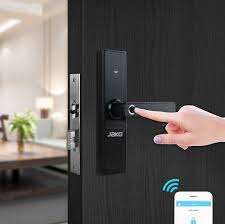
Smart Home Integration Creates Seamless Connected Security Ecosystem
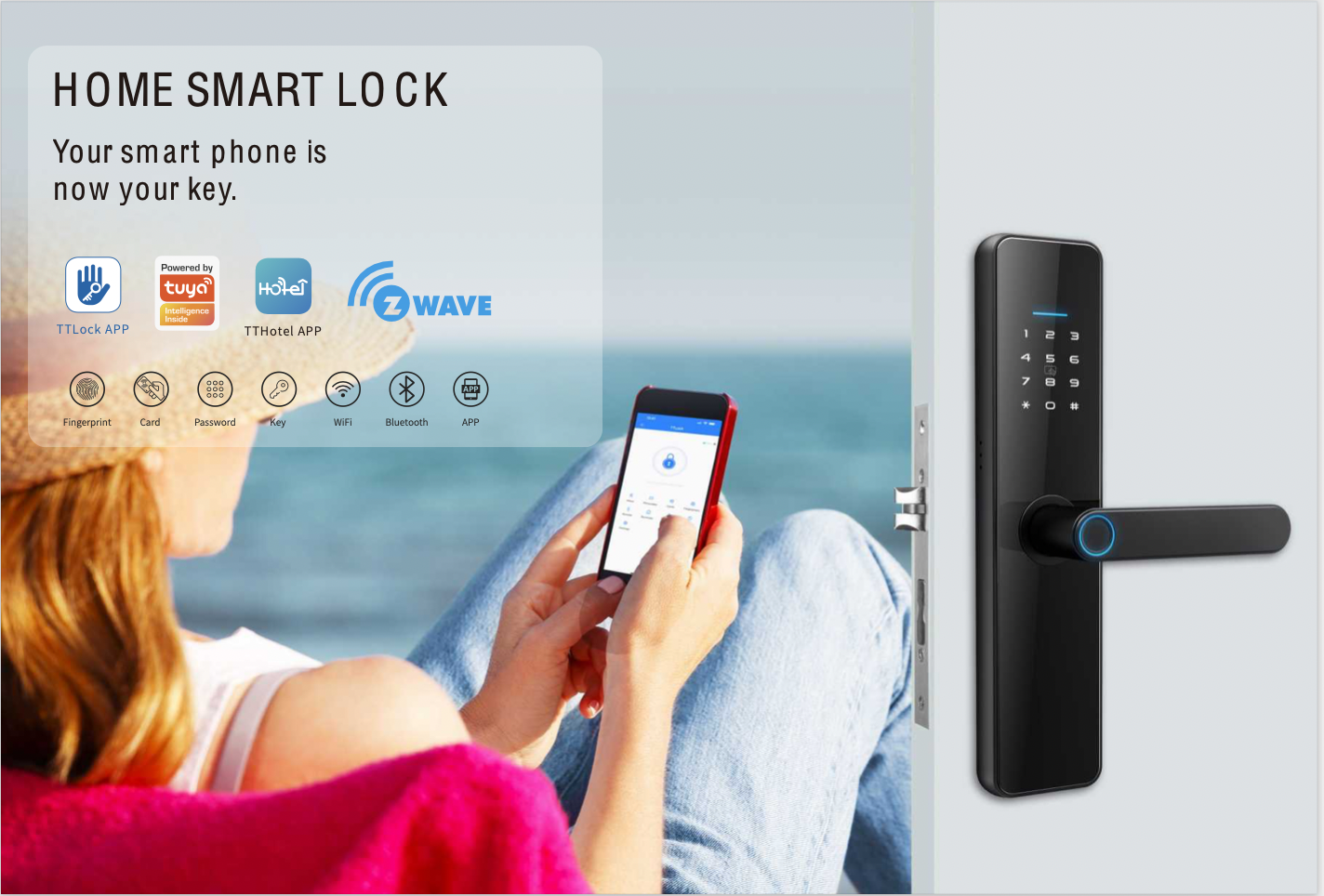
The smart home integration capability of a digital lock for home positions it as a central component within your broader connected property ecosystem, enabling sophisticated automation scenarios and enhanced security monitoring impossible with isolated devices. Modern digital locks communicate through standard protocols including WiFi, Bluetooth, Zigbee, or Z-Wave, allowing them to exchange information and coordinate actions with other intelligent devices throughout your residence. This connectivity transforms your lock from a simple access control mechanism into an intelligent security node that responds dynamically to changing conditions and user behaviors. When integrated with your smart home system, your digital lock for home can trigger cascading automation sequences based on locking and unlocking events. Unlocking your door when arriving home can automatically activate programmed scenes that adjust your thermostat to comfortable temperatures, turn on entry lighting, disarm your security system, and even start playing your favorite music through connected speakers. This environmental responsiveness creates a welcoming atmosphere while demonstrating the practical convenience of integrated systems working harmoniously. Conversely, locking your door when departing can trigger energy-saving modes that adjust climate control, turn off unnecessary lights, arm security sensors, and activate surveillance cameras to monitoring mode. The integration between your digital lock for home and security cameras provides particularly powerful capabilities for verifying visitor identities before granting access. When someone rings your video doorbell, you can view live footage through your smartphone, communicate with the visitor through two-way audio, and unlock your door remotely if you choose to grant access, all without physically approaching the door. This feature proves invaluable for receiving deliveries when you are home but occupied, assisting elderly relatives who struggle with door operation, or allowing children to enter when you cannot immediately reach the door. The digital lock for home working within a smart ecosystem can also receive inputs from other sensors to make intelligent access decisions. Motion sensors, window contacts, and glass break detectors communicating unusual activity can trigger your lock to engage additional security measures or send alerts to your smartphone. Smoke detectors sensing fire can command your lock to automatically unlock, ensuring rapid emergency exit and facilitating firefighter entry without forced entry damage. Water leak sensors detecting flooding can notify you while confirming your door is secured to prevent opportunistic intrusion during your absence. Voice assistant integration allows you to control your digital lock for home through natural language commands to devices like Amazon Alexa, Google Assistant, or Apple Siri. You can ask whether your door is locked, issue commands to lock or unlock it, or inquire about recent access activity, all through simple spoken requests. This hands-free control proves particularly convenient when you are in bed, occupied with tasks, or physically unable to reach the door. The remote monitoring capabilities enabled by smart integration provide peace of mind when you are away from home, allowing you to check lock status from anywhere with internet connectivity, receive instant notifications when access occurs, and take immediate action if suspicious activity is detected.

 EN
EN