
 EN
EN

Modern bathroom technology has revolutionized personal hygiene and comfort through innovative fixtures that combine traditional functionality with cutting-edge features. The integration of bidet capabilities into contemporary toilet designs represents a significant advancement in personal care solutions, offering users enhanced cleanliness, comfort, and convenience. A smart toilet with bidet functionality transforms the ordinary bathroom experience into a luxurious and hygienic ritual that promotes better health outcomes and environmental sustainability. These sophisticated fixtures incorporate advanced water filtration systems, temperature controls, and customizable settings that cater to individual preferences and needs. Understanding the comprehensive benefits of smart toilet with bidet technology helps consumers make informed decisions about upgrading their bathroom facilities for optimal personal care and long-term satisfaction.
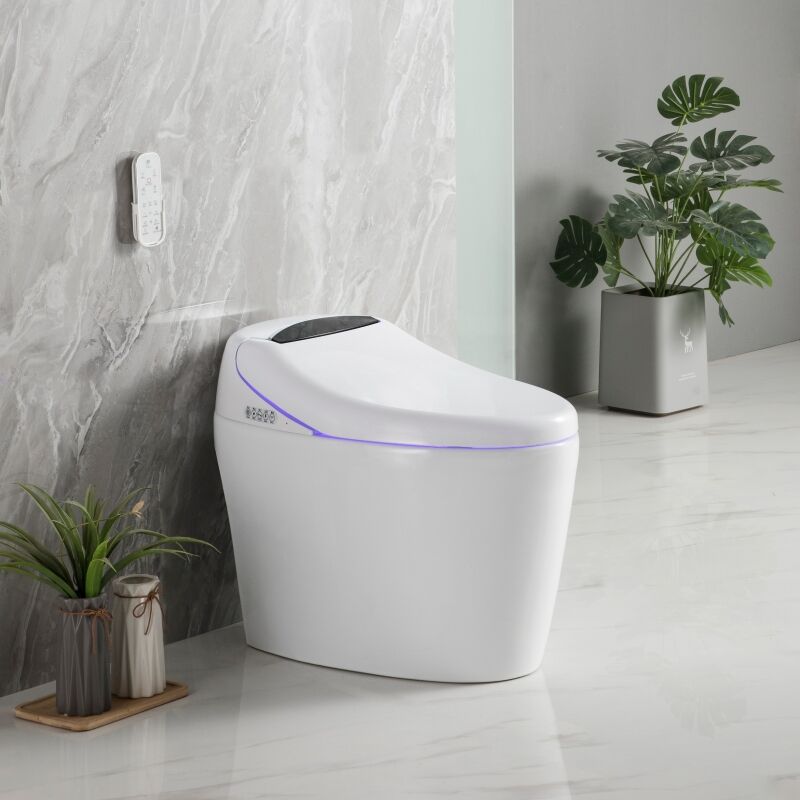
Advanced Hygiene Benefits of Smart Toilet Technology
Superior Cleansing Capabilities
The primary advantage of a smart toilet with bidet functionality lies in its superior cleansing capabilities that far exceed traditional toilet paper methods. Advanced water spray systems provide gentle yet thorough cleaning through precisely engineered nozzles that deliver filtered water at optimal pressure and temperature. These systems feature multiple spray patterns and intensities, allowing users to customize their cleaning experience based on personal preferences and specific needs. The water-based cleaning method removes bacteria and residue more effectively than dry wiping alone, reducing the risk of irritation and infection. Smart toilet with bidet technology often includes self-cleaning nozzles that sanitize automatically before and after each use, maintaining optimal hygiene standards throughout the day.
Clinical studies demonstrate that water-based cleansing significantly reduces harmful bacteria compared to traditional methods, promoting better intimate health and overall well-being. The gentle nature of water cleaning proves particularly beneficial for individuals with sensitive skin conditions, hemorrhoids, or mobility limitations that make thorough manual cleaning challenging. Smart toilet with bidet systems eliminate the harsh friction associated with toilet paper use, reducing inflammation and promoting faster healing of existing irritations or surgical sites.
Antimicrobial Protection Features
Contemporary smart toilet with bidet designs incorporate advanced antimicrobial technologies that actively combat harmful microorganisms and maintain sanitary conditions. UV sterilization systems automatically sanitize the toilet bowl and bidet components between uses, eliminating bacteria, viruses, and other pathogens that could compromise user health. Electrolyzed water technology generates natural disinfectants that clean and deodorize surfaces without harsh chemicals, creating a safer environment for family members of all ages.
Automated cleaning cycles ensure consistent sanitation levels throughout the day, while antibacterial coatings on key surfaces provide ongoing protection against microbial growth. These sophisticated hygiene systems work continuously to maintain optimal cleanliness standards, offering peace of mind for health-conscious consumers who prioritize sanitary bathroom environments. The smart toilet with bidet technology monitors usage patterns and adjusts cleaning frequencies accordingly, ensuring maximum protection during peak usage periods.
Comfort Enhancement Through Intelligent Design
Personalized Temperature Control
Modern smart toilet with bidet systems offer unprecedented comfort through advanced temperature control mechanisms that customize the user experience based on individual preferences and environmental conditions. Heated toilet seats provide consistent warmth during cold weather, eliminating the shock of contact with cold surfaces and creating a more pleasant bathroom experience. Precise water temperature regulation ensures optimal comfort during cleansing, with instant heating systems that deliver warm water on demand without wasteful preheating cycles.
Programmable temperature settings allow multiple users to establish personalized profiles that automatically activate upon detection, ensuring each family member enjoys their preferred comfort levels. Advanced sensors monitor ambient temperature and adjust heating systems accordingly, maintaining consistent comfort while optimizing energy efficiency. The smart toilet with bidet technology learns from usage patterns and anticipates user needs, preemptively adjusting temperatures to ensure immediate comfort upon approach.
Ergonomic Design Features
Ergonomic considerations play a crucial role in smart toilet with bidet design, ensuring optimal user comfort and accessibility across diverse demographics and physical capabilities. Adjustable positioning systems accommodate users of varying heights and mobility levels, while customizable spray angles and intensities cater to individual anatomical differences and preferences. Soft-closing lids and seats eliminate jarring impacts and reduce noise levels, contributing to a more peaceful bathroom environment.
Contemporary designs incorporate memory foam seating surfaces and contoured shapes that provide superior support during extended use, particularly beneficial for elderly users or individuals with mobility challenges. The smart toilet with bidet technology includes accessibility features such as remote controls, voice activation, and automated functions that reduce physical strain and accommodate users with limited dexterity or strength.
Environmental Impact and Sustainability Advantages
Reduced Paper Consumption
The environmental benefits of smart toilet with bidet technology extend far beyond individual comfort, contributing significantly to global sustainability efforts through dramatic reductions in toilet paper consumption. Traditional toilet paper production requires substantial amounts of water, energy, and raw materials, while generating significant waste throughout the manufacturing and disposal processes. Bidet functionality eliminates or greatly reduces dependence on toilet paper, resulting in measurable decreases in household waste generation and environmental impact.
Statistical analysis reveals that households using smart toilet with bidet systems can reduce toilet paper usage by up to 75 percent, translating into substantial cost savings and environmental benefits over time. The reduction in paper consumption corresponds to decreased deforestation pressures, reduced chemical processing requirements, and minimized packaging waste that typically accompanies toilet paper products. These environmental advantages compound over time, making smart toilet with bidet technology an investment in long-term ecological responsibility.
Water Conservation Technology
Advanced water conservation features integrated into modern smart toilet with bidet systems demonstrate that enhanced functionality does not necessarily require increased resource consumption. Sophisticated flow control mechanisms optimize water usage by delivering precise amounts needed for effective cleaning while minimizing waste through intelligent pressure regulation and automatic shut-off systems. Dual-flush toilet functions allow users to select appropriate water volumes based on waste type, further reducing overall consumption.
Smart sensors monitor usage patterns and adjust water flow rates accordingly, ensuring optimal cleaning effectiveness while preventing unnecessary waste. The smart toilet with bidet technology often includes greywater recycling capabilities that capture and filter hand washing water for subsequent toilet flushing, maximizing resource efficiency within the bathroom ecosystem. These conservation measures help environmentally conscious consumers reduce their overall water footprint while enjoying enhanced personal care benefits.
Health and Wellness Considerations
Medical Benefits for Specific Conditions
Healthcare professionals increasingly recommend smart toilet with bidet systems for patients managing various medical conditions that benefit from improved hygiene and reduced physical strain during bathroom activities. Individuals recovering from surgical procedures, particularly those involving the pelvic region, find gentle water cleansing more comfortable and less disruptive to healing tissues than traditional wiping methods. Hemorrhoid sufferers experience significant relief through the soothing water application that reduces inflammation and irritation.
Patients with mobility limitations, arthritis, or other conditions affecting hand strength and dexterity benefit enormously from automated cleaning functions that reduce dependence on manual wiping motions. The smart toilet with bidet technology proves particularly valuable for elderly users who may struggle with thorough self-care, helping maintain dignity and independence while ensuring proper hygiene standards. Postpartum women find the gentle cleansing action promotes healing and comfort during recovery periods.
Infection Prevention and Control
Infection prevention represents a critical health advantage of smart toilet with bidet technology, particularly relevant for immunocompromised individuals or households with members susceptible to urinary tract infections and other hygiene-related health issues. The thorough cleansing action of bidet functions removes bacteria more effectively than dry methods alone, reducing the risk of ascending infections and maintaining healthier intimate areas.
Women benefit significantly from front-to-back water flow patterns that prevent cross-contamination between anal and vaginal areas, reducing urinary tract infection risks that commonly result from improper wiping techniques. The smart toilet with bidet systems eliminate the potential for bacterial spread through contaminated toilet paper or inadequate manual cleaning, providing consistent and reliable hygiene outcomes that support overall health and well-being.
Technology Integration and Smart Home Compatibility
Connectivity and Control Features
Modern smart toilet with bidet systems seamlessly integrate with contemporary smart home ecosystems, offering unprecedented control and customization options through advanced connectivity features. WiFi-enabled units allow remote monitoring and adjustment through dedicated smartphone applications, enabling users to modify settings, schedule maintenance, and track usage patterns from anywhere within the home. Voice control compatibility with popular virtual assistants provides hands-free operation that enhances accessibility and convenience.
Programmable user profiles store individual preferences for water temperature, pressure, positioning, and other customizable features, automatically activating appropriate settings based on user identification or manual selection. The smart toilet with bidet technology learns from usage patterns and suggests optimizations that improve efficiency and user satisfaction over time. Integration with home automation systems enables coordination with lighting, ventilation, and other bathroom systems for comprehensive environmental control.
Maintenance and Diagnostic Systems
Advanced diagnostic capabilities built into smart toilet with bidet systems provide proactive maintenance alerts and troubleshooting guidance that help maintain optimal performance and extend equipment lifespan. Automated filter replacement reminders ensure consistent water quality and system efficiency, while self-diagnostic functions identify potential issues before they impact user experience or require expensive repairs.
Remote monitoring capabilities allow qualified technicians to assess system performance and provide support without requiring on-site visits, reducing maintenance costs and minimizing disruption to household routines. The smart toilet with bidet technology maintains detailed usage logs that help identify optimization opportunities and ensure warranty compliance through proper operation documentation. Predictive maintenance algorithms analyze performance data to schedule preventive service interventions that maximize reliability and user satisfaction.
Installation and Compatibility Considerations
Retrofit Installation Options
Contemporary smart toilet with bidet systems offer flexible installation options that accommodate existing bathroom configurations without requiring extensive renovations or plumbing modifications. Retrofit bidet seat attachments provide an economical entry point for users seeking enhanced functionality while maintaining their current toilet fixtures. These systems connect to existing water supplies and electrical outlets, offering many smart features without the expense and complexity of complete toilet replacement.
All-in-one smart toilet with bidet units require more extensive installation but provide comprehensive functionality and aesthetic integration that enhances bathroom appearance and property value. Professional installation ensures proper connections, optimal performance, and warranty compliance while addressing specific site requirements and local building codes. Modular design approaches allow gradual system upgrades that spread costs over time while building toward complete smart bathroom integration.
Infrastructure Requirements
Successful smart toilet with bidet installation depends on adequate electrical supply, water pressure, and drainage capacity that meet manufacturer specifications and local codes. GFCI-protected electrical circuits provide safe power for heating, pumping, and control systems while preventing shock hazards in wet bathroom environments. Adequate water pressure ensures proper spray function and user satisfaction, while appropriate drainage prevents overflow conditions during system operation.
Space considerations include clearance requirements for lid operation, user access, and maintenance activities that ensure long-term usability and service accessibility. The smart toilet with bidet technology requires periodic maintenance and component replacement that benefits from adequate workspace and storage for supplies and tools. Planning for future upgrades and technology changes helps ensure continued compatibility and performance optimization over the system's operational lifespan.
FAQ
How much water does a smart toilet with bidet actually use compared to traditional toilets
Smart toilet with bidet systems typically use comparable or less water than traditional toilets due to efficient flush mechanisms and optimized bidet spray patterns. Most bidet functions use approximately 0.5 to 0.8 gallons per use, while modern dual-flush toilets consume 0.8 to 1.28 gallons depending on the selected flush mode. The combination of reduced toilet paper manufacturing water consumption and direct usage efficiency often results in net water savings for environmentally conscious households.
Are smart toilet with bidet systems suitable for people with mobility limitations
Smart toilet with bidet technology proves particularly beneficial for individuals with mobility challenges, offering automated cleaning functions that reduce dependence on manual dexterity and reach. Remote controls, voice activation, and programmable settings accommodate various physical limitations while maintaining personal hygiene independence. Many units include accessibility features specifically designed for elderly users and individuals with disabilities, making them excellent investments for aging-in-place strategies.
What maintenance requirements do smart toilet with bidet systems typically have
Regular maintenance for smart toilet with bidet systems includes periodic filter replacement, nozzle cleaning, and descaling procedures that vary based on water quality and usage frequency. Most systems provide automated maintenance reminders and self-cleaning cycles that minimize manual intervention requirements. Professional service visits typically occur annually or bi-annually for comprehensive system inspection, calibration, and component replacement as needed to maintain optimal performance.
Can existing bathrooms accommodate smart toilet with bidet installations without major renovations
Many existing bathrooms can accommodate smart toilet with bidet installations through retrofit bidet seat options or direct toilet replacement, depending on available space, electrical access, and plumbing compatibility. Standard toilet rough-in dimensions and existing water supply connections often support direct replacement installations with minimal modifications. Electrical requirements typically involve adding a dedicated GFCI outlet near the toilet location, which qualified electricians can usually accomplish without extensive renovation work.
Table of Contents
- Advanced Hygiene Benefits of Smart Toilet Technology
- Comfort Enhancement Through Intelligent Design
- Environmental Impact and Sustainability Advantages
- Health and Wellness Considerations
- Technology Integration and Smart Home Compatibility
- Installation and Compatibility Considerations
-
FAQ
- How much water does a smart toilet with bidet actually use compared to traditional toilets
- Are smart toilet with bidet systems suitable for people with mobility limitations
- What maintenance requirements do smart toilet with bidet systems typically have
- Can existing bathrooms accommodate smart toilet with bidet installations without major renovations