
 EN
EN
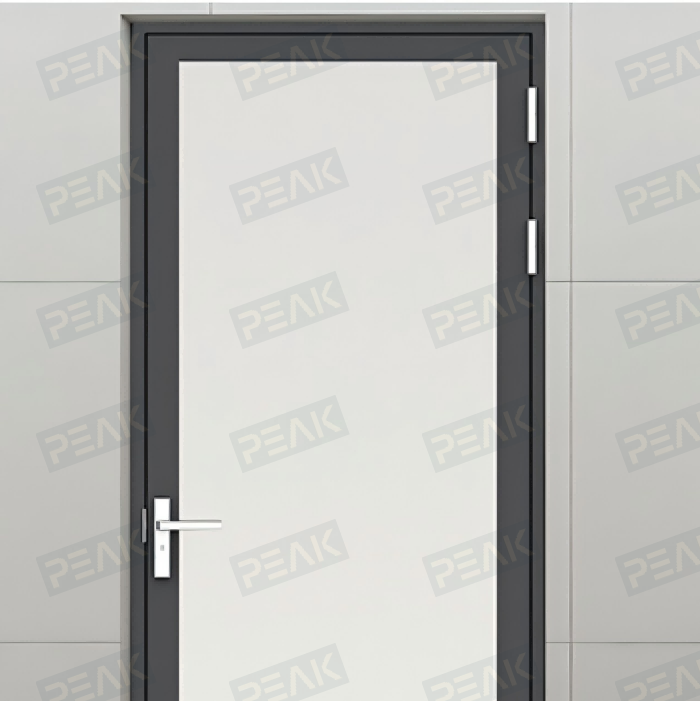
Property owners and developers are increasingly recognizing the significant impact that high-quality building components can have on real estate value. Among these components, custom thermal break aluminum doors and windows have emerged as premium solutions that not only enhance aesthetic appeal but also deliver substantial returns on investment. These advanced fenestration systems combine cutting-edge thermal efficiency technology with customizable design options, making them attractive to both residential and commercial property buyers. The growing demand for energy-efficient buildings and sustainable construction practices has positioned custom thermal break aluminum doors and windows as essential elements in modern property development strategies.
Understanding Thermal Break Technology in Custom Aluminum Systems
The Science Behind Thermal Break Design
Thermal break technology represents a revolutionary advancement in aluminum window and door manufacturing that addresses the traditional thermal conductivity challenges associated with metal framing systems. The thermal break consists of a low-conductivity material, typically polyamide strips, strategically inserted between the interior and exterior aluminum sections to prevent heat transfer. This innovative design effectively creates a thermal barrier that significantly reduces energy loss while maintaining the structural integrity and durability that aluminum is renowned for. Custom thermal break aluminum doors and windows incorporate this technology while offering unlimited design flexibility to meet specific architectural requirements and aesthetic preferences.
The engineering principles behind thermal break systems involve careful consideration of thermal bridging, condensation control, and structural performance. Advanced manufacturing processes ensure precise alignment and bonding of thermal break components, creating seamless integration that maintains the aluminum frame's strength while dramatically improving its insulation properties. This sophisticated approach to fenestration design allows custom thermal break aluminum doors and windows to achieve superior energy performance ratings that rival or exceed traditional materials while providing the sleek, modern appearance that contemporary architecture demands.
Material Composition and Performance Standards
The aluminum alloys used in custom thermal break aluminum doors and windows are specifically formulated to provide optimal strength-to-weight ratios while maintaining excellent corrosion resistance and dimensional stability. High-grade 6063-T5 aluminum extrusions are commonly employed, offering superior surface finish capabilities and consistent mechanical properties throughout the manufacturing process. The thermal break material itself undergoes rigorous testing to ensure long-term performance, with polyamide compounds selected for their low thermal conductivity, structural integrity, and resistance to environmental degradation over extended periods.
Performance standards for these systems are established through comprehensive testing protocols that evaluate thermal transmittance, air infiltration, water penetration resistance, and structural load capacity. Custom thermal break aluminum doors and windows must meet or exceed stringent industry certifications including ENERGY STAR requirements, NFRC ratings, and local building code specifications. These performance benchmarks ensure that property owners can rely on consistent energy savings, weather protection, and operational durability throughout the system's extended service life, contributing directly to property value enhancement.
Energy Efficiency Benefits and Cost Savings Analysis
Quantifying Energy Performance Improvements
The energy efficiency advantages of custom thermal break aluminum doors and windows can be measured through various performance metrics that directly translate into operational cost savings and improved property valuations. U-factor measurements, which indicate the rate of heat transfer through the fenestration system, typically range from 0.20 to 0.35 BTU/hr-ft²-°F for high-performance thermal break systems, compared to 0.50 or higher for conventional aluminum frames. This substantial improvement in thermal performance results in reduced heating and cooling loads, leading to measurable decreases in monthly utility expenses that compound over the system's operational lifetime.
Solar Heat Gain Coefficient values for custom thermal break aluminum doors and windows can be precisely controlled through glazing selection and frame design optimization, allowing property owners to balance natural lighting benefits with thermal control requirements. Advanced glazing options including low-E coatings, gas fills, and multi-pane configurations further enhance energy performance while maintaining visual clarity and aesthetic appeal. These comprehensive energy efficiency improvements contribute to improved comfort levels, reduced HVAC system wear, and enhanced indoor environmental quality that property buyers increasingly value in today's market.
Long-term Financial Returns and Payback Periods
Investment analysis for custom thermal break aluminum doors and windows reveals compelling financial returns when evaluated over appropriate timeframes that account for energy savings, maintenance cost reductions, and property value appreciation. Typical payback periods range from 8 to 15 years depending on local energy costs, climate conditions, and system specifications, with many installations achieving full cost recovery well within the anticipated service life of 30 to 50 years. The superior durability and minimal maintenance requirements of aluminum construction contribute to lower lifecycle costs compared to alternative materials that may require periodic refinishing, component replacement, or structural repairs.
Property appraisal studies consistently demonstrate that energy-efficient fenestration systems contribute positively to market valuations, with custom thermal break aluminum doors and windows often yielding returns of 70 to 90 percent of initial investment in immediate property value increases. Additional financial benefits include potential utility rebates, tax incentives for energy-efficient improvements, and enhanced marketability that can reduce time-on-market for property sales. These economic advantages make custom thermal break aluminum doors and windows attractive investments for both owner-occupied properties and rental or commercial developments seeking to optimize operating expenses and asset values.
Design Flexibility and Aesthetic Enhancement Opportunities
Customization Options and Architectural Integration
The design versatility of custom thermal break aluminum doors and windows enables architects and property owners to achieve virtually unlimited aesthetic possibilities while maintaining superior energy performance characteristics. Extrusion profiles can be customized to create unique frame geometries, decorative elements, and dimensional configurations that complement specific architectural styles ranging from contemporary minimalist designs to traditional or historic restoration projects. Color options extend far beyond standard finishes through advanced powder coating and anodizing processes that provide durable, fade-resistant surfaces in virtually any desired hue or texture, ensuring perfect integration with existing or planned exterior design schemes.
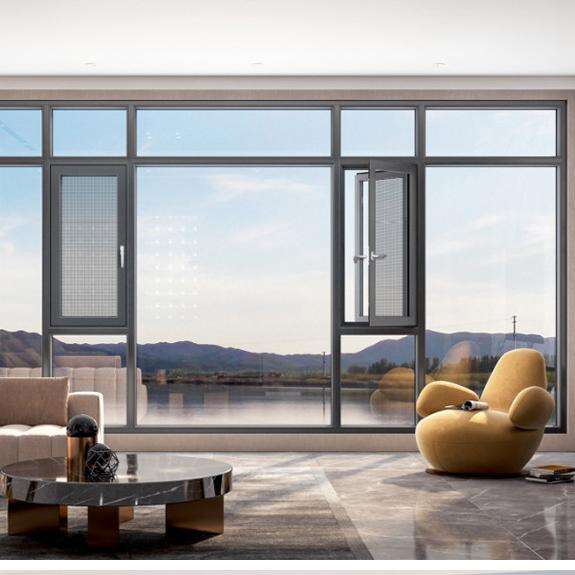
Glazing configurations for custom thermal break aluminum doors and windows offer extensive opportunities for creative expression through varied transparency levels, decorative patterns, and functional features such as integrated blinds or smart glass technologies. Large-format installations become feasible due to aluminum's structural strength, enabling expansive window walls, floor-to-ceiling openings, and dramatic entrance systems that maximize natural lighting and visual connectivity with outdoor environments. These design capabilities allow custom thermal break aluminum doors and windows to serve as architectural focal points that enhance property appeal and differentiate buildings in competitive real estate markets.
Market Differentiation and Buyer Appeal Factors
Today's property buyers demonstrate increasing sophistication in evaluating building quality and long-term ownership costs, making custom thermal break aluminum doors and windows powerful differentiators in residential and commercial markets. The premium appearance and performance characteristics of these systems signal quality construction and attention to detail that discerning buyers associate with higher property values and reduced future maintenance obligations. Marketing materials can effectively highlight energy efficiency ratings, warranty coverage, and customization capabilities as key selling points that justify premium pricing and accelerate sales processes.
Professional appraisers and real estate agents recognize that custom thermal break aluminum doors and windows contribute significantly to perceived property value through their combination of functional performance and aesthetic appeal. Comparative market analyses consistently show that properties featuring high-quality fenestration systems command premium prices and experience shorter marketing periods compared to comparable properties with standard or lower-grade window and door installations. This market recognition translates into immediate financial benefits for property owners while establishing a foundation for long-term value appreciation and investment protection.
Installation Considerations and Professional Implementation
Technical Requirements and Performance Optimization
Successful installation of custom thermal break aluminum doors and windows requires specialized expertise and adherence to manufacturer specifications to ensure optimal performance and warranty compliance. Proper installation begins with precise measurement and opening preparation that accounts for thermal expansion, structural loads, and weathering considerations specific to the building's location and environmental conditions. Professional installers must understand the importance of maintaining thermal break continuity throughout the installation process, ensuring that fastening methods and sealing techniques do not compromise the system's energy efficiency benefits through thermal bridging or air leakage paths.
Quality control procedures during installation include comprehensive testing of air infiltration, water penetration resistance, and operational functionality to verify that installed systems meet design specifications and performance requirements. Advanced installation techniques such as structural glazing, pressure equalization, and integrated flashing systems may be employed to maximize weather resistance and longevity while maintaining the sleek appearance that makes custom thermal break aluminum doors and windows desirable architectural features. Proper installation documentation and performance verification provide property owners with confidence in their investment and support warranty claims if issues arise during the operational period.
Maintenance Programs and Longevity Assurance
The inherent durability of aluminum construction makes custom thermal break aluminum doors and windows exceptionally low-maintenance building components that retain their appearance and performance characteristics throughout extended service lives. Routine maintenance requirements typically include periodic cleaning of glazing surfaces, lubrication of operating hardware, and inspection of weatherstripping and sealant conditions. Unlike wood or vinyl alternatives that may require refinishing, painting, or component replacement, aluminum systems maintain their structural integrity and surface finish with minimal intervention, contributing to lower lifecycle costs and sustained property values.
Preventive maintenance programs for custom thermal break aluminum doors and windows focus on preserving optimal operation of moving components, maintaining weatherseal effectiveness, and addressing minor issues before they impact system performance or appearance. Professional maintenance services can provide comprehensive inspections, performance testing, and component adjustments that ensure continued energy efficiency and operational reliability throughout the system's anticipated service life. These proactive approaches to system care protect the property owner's investment while maintaining the premium appearance and functionality that contribute to ongoing property value enhancement.
Return on Investment Analysis and Market Value Impact
Quantitative Property Value Enhancement
Comprehensive market studies and appraisal data demonstrate that custom thermal break aluminum doors and windows generate measurable increases in property valuations that often approach or exceed the initial investment costs. Real estate professionals report that energy-efficient fenestration systems contribute between $15 to $25 per square foot of window area to property values in most markets, with premium locations and high-end properties experiencing even greater appreciation rates. These value increases reflect buyer recognition of the superior performance, durability, and aesthetic appeal that custom thermal break aluminum doors and windows provide compared to standard fenestration options available in the marketplace.
Appraisal methodologies increasingly incorporate energy efficiency ratings and green building features as quantifiable value factors, providing objective support for the premium pricing that properties with custom thermal break aluminum doors and windows can command. ENERGY STAR certification, LEED points, and other performance credentials create documented value propositions that support higher asking prices and favorable financing terms. Market data analysis reveals that properties featuring high-performance fenestration systems experience reduced time-on-market and increased buyer interest, translating into competitive advantages during sales processes and supporting premium valuations.
Competitive Market Positioning and Future Value Trends
The growing emphasis on sustainability and energy efficiency in building codes and buyer preferences positions custom thermal break aluminum doors and windows as increasingly valuable property features that align with market trends and regulatory developments. As utility costs continue rising and environmental consciousness expands among property buyers, the energy savings and carbon footprint reductions provided by high-performance fenestration systems become more financially significant and socially desirable. Properties equipped with custom thermal break aluminum doors and windows benefit from this trend through enhanced marketability and protection against obsolescence as efficiency standards continue evolving.
Future market projections indicate continued strength in demand for energy-efficient building components, suggesting that the value proposition of custom thermal break aluminum doors and windows will strengthen over time. Regulatory trends toward mandatory energy disclosure, carbon taxation, and utility rate restructuring create economic incentives that favor high-performance building systems. Property owners who invest in custom thermal break aluminum doors and windows position their assets advantageously for these market developments while immediately benefiting from improved comfort, reduced operating costs, and enhanced aesthetic appeal that contribute to sustained property value growth.
FAQ
How much do custom thermal break aluminum doors and windows typically cost compared to standard alternatives
Custom thermal break aluminum doors and windows generally cost 30 to 50 percent more than standard aluminum systems, but this premium is often offset by energy savings, increased property values, and extended service life. The investment varies based on size, complexity, glazing options, and customization requirements, but most property owners find that the long-term benefits justify the higher upfront costs. Financing options and utility rebates may be available to reduce initial investment burdens while providing immediate access to energy efficiency benefits.
What maintenance is required for custom thermal break aluminum doors and windows
Maintenance requirements for custom thermal break aluminum doors and windows are minimal compared to other materials, typically involving annual cleaning, periodic lubrication of hardware, and occasional inspection of seals and weatherstripping. The aluminum construction resists corrosion, warping, and deterioration, eliminating needs for painting, staining, or refinishing that other materials require. Professional maintenance services can provide comprehensive system checks to ensure optimal performance and identify any issues before they impact operation or efficiency.
How long do custom thermal break aluminum doors and windows last
Custom thermal break aluminum doors and windows typically provide 30 to 50 years of reliable service life with proper installation and minimal maintenance, significantly exceeding the lifespan of many alternative materials. The durability of aluminum construction and thermal break components ensures sustained performance throughout this extended service period, making them excellent long-term investments. Warranty coverage often extends 10 to 20 years for materials and workmanship, providing additional protection for property owners.
Can custom thermal break aluminum doors and windows be retrofitted into existing buildings
Retrofit installation of custom thermal break aluminum doors and windows is feasible in most existing buildings, though the process may require structural modifications to accommodate new frame dimensions and installation requirements. Professional evaluation can determine the scope of work needed and identify any building code or structural considerations that must be addressed. Retrofit projects often provide excellent opportunities to upgrade building performance and appearance while increasing property values and reducing energy costs.
Table of Contents
- Understanding Thermal Break Technology in Custom Aluminum Systems
- Energy Efficiency Benefits and Cost Savings Analysis
- Design Flexibility and Aesthetic Enhancement Opportunities
- Installation Considerations and Professional Implementation
- Return on Investment Analysis and Market Value Impact
-
FAQ
- How much do custom thermal break aluminum doors and windows typically cost compared to standard alternatives
- What maintenance is required for custom thermal break aluminum doors and windows
- How long do custom thermal break aluminum doors and windows last
- Can custom thermal break aluminum doors and windows be retrofitted into existing buildings