
 EN
EN
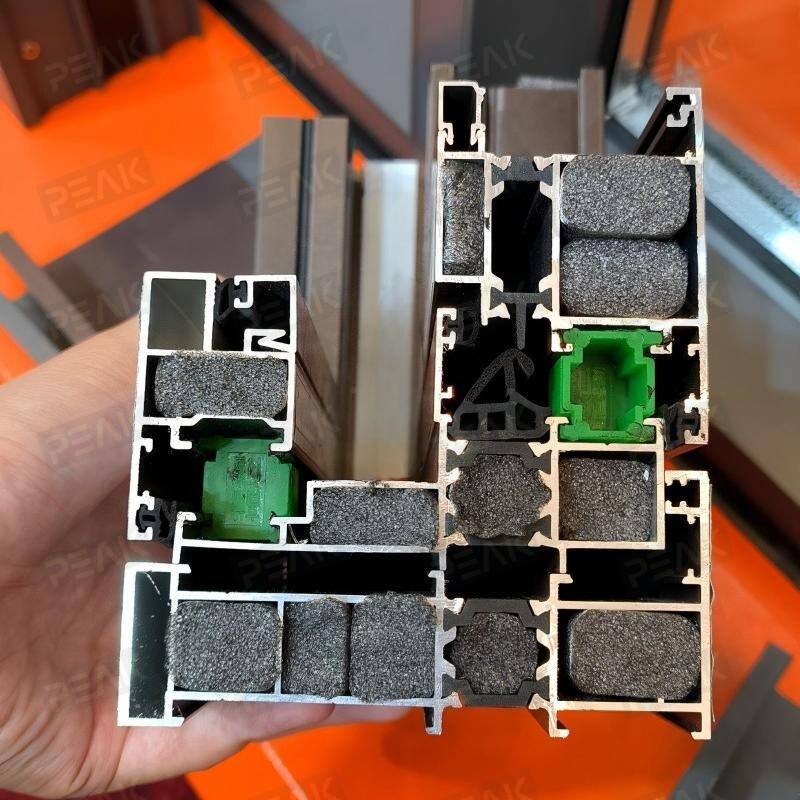
Modern construction and renovation projects demand innovative solutions that deliver both performance and energy efficiency. Among the most significant advancements in architectural glazing, thermal break aluminum windows have revolutionized how buildings manage heat transfer and energy consumption. These sophisticated window systems incorporate specialized design elements that interrupt thermal conductivity, creating superior insulation properties compared to traditional aluminum frames. Property owners, architects, and contractors increasingly recognize thermal break aluminum windows as essential components for achieving optimal building performance while reducing long-term operational costs.
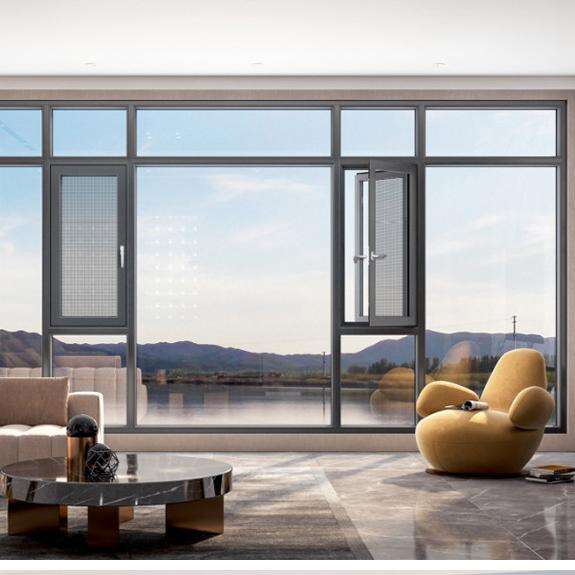
Understanding Thermal Break Technology in Modern Window Systems
The Science Behind Thermal Bridging Prevention
Thermal bridging occurs when conductive materials create pathways for heat transfer between interior and exterior environments. Traditional aluminum window frames act as thermal conductors, allowing significant energy loss through direct metal contact from inside to outside surfaces. This phenomenon results in condensation issues, reduced comfort levels, and increased heating and cooling costs. Understanding these fundamental thermal dynamics helps explain why conventional aluminum windows often underperform in energy-efficient building applications.
The thermal break concept addresses this challenge by incorporating non-conductive materials that interrupt the aluminum frame's continuous thermal pathway. These specialized insulating strips, typically made from polyamide or similar materials, create physical separation between interior and exterior aluminum sections. This innovative design maintains structural integrity while dramatically reducing thermal conductivity, resulting in improved insulation performance and enhanced occupant comfort throughout varying seasonal conditions.
Material Composition and Manufacturing Excellence
Quality thermal break aluminum windows utilize precision-engineered components that ensure optimal performance across diverse climate conditions. The manufacturing process involves careful integration of aluminum extrusions with thermal break materials, requiring specialized equipment and expertise to achieve proper alignment and structural integrity. Advanced polyamide strips feature glass fiber reinforcement, providing excellent thermal resistance while maintaining mechanical strength necessary for long-term window operation.
Manufacturing standards for thermal break aluminum windows encompass rigorous quality control measures that verify thermal performance, structural stability, and weather resistance. These comprehensive testing protocols ensure each window system meets or exceeds industry standards for air infiltration, water penetration, and wind load resistance. The result is a premium window product that delivers consistent performance while maintaining aesthetic appeal and operational reliability throughout its extended service life.
Energy Efficiency Benefits and Performance Advantages
Quantifiable Energy Savings and Cost Reduction
Buildings equipped with thermal break aluminum windows typically demonstrate measurable reductions in energy consumption compared to structures using conventional window systems. Independent studies consistently show energy savings ranging from fifteen to thirty percent, depending on climate conditions, building orientation, and window-to-wall ratios. These efficiency gains translate directly into reduced utility costs, making thermal break technology a financially sound investment for both residential and commercial applications.
The enhanced insulation properties of thermal break aluminum windows contribute to more stable interior temperatures, reducing the workload on heating and cooling systems. This decreased HVAC demand extends equipment lifespan while maintaining consistent comfort levels throughout occupied spaces. Property owners often recover their initial investment through energy savings within five to seven years, after which continued savings provide ongoing financial benefits throughout the window system's operational lifetime.
Superior Comfort and Indoor Environmental Quality
Thermal break aluminum windows significantly improve indoor environmental quality by minimizing temperature variations near glazed areas. Traditional aluminum frames often create cold spots during winter months and heat gain during summer periods, leading to uncomfortable conditions and increased HVAC cycling. The thermal barrier technology eliminates these issues by maintaining more consistent frame temperatures that closely match interior air conditions.
Condensation control represents another critical advantage of thermal break aluminum windows, as the insulated frame design prevents surface temperatures from dropping below dew point conditions. This moisture management capability protects building materials from water damage while maintaining healthy indoor air quality. Occupants experience improved comfort with reduced drafts, more uniform temperatures, and elimination of condensation-related issues that plague conventional window installations.
Design Flexibility and Architectural Integration
Customization Options for Diverse Applications
Modern thermal break aluminum windows offer extensive customization possibilities that accommodate various architectural styles and functional requirements. Frame profiles range from sleek contemporary designs to traditional configurations that complement historical building aesthetics. Color options include powder-coated finishes, anodized surfaces, and wood-grain textures that provide design flexibility while maintaining thermal performance characteristics.
Glazing configurations for thermal break aluminum windows can incorporate double or triple-pane insulated glass units with specialized coatings for enhanced energy performance. Low-emissivity coatings, argon gas fills, and warm-edge spacer systems further improve thermal efficiency while maintaining visual clarity and natural light transmission. These advanced glazing options work synergistically with thermal break frame technology to create comprehensive high-performance window systems.
Structural Performance and Weather Resistance
Engineering specifications for thermal break aluminum windows encompass rigorous structural requirements that ensure long-term performance under diverse environmental conditions. Advanced testing protocols evaluate wind load resistance, seismic performance, and thermal cycling durability to verify system integrity across varying climate zones. These comprehensive performance standards provide confidence in window system reliability for critical architectural applications.
Weather seal technology in thermal break aluminum windows incorporates multiple barrier systems that prevent air and water infiltration while accommodating thermal expansion and structural movement. High-performance weatherstripping, drainage systems, and pressure equalization features work together to maintain building envelope integrity throughout varying seasonal conditions. This comprehensive weather resistance ensures consistent thermal performance while protecting interior spaces from moisture intrusion and air leakage.
Installation Considerations and Best Practices
Professional Installation Requirements
Proper installation techniques are essential for achieving optimal performance from thermal break aluminum windows, requiring specialized knowledge and experience with advanced glazing systems. Professional installers must understand thermal bridge prevention principles, proper flashing details, and air barrier continuity to ensure complete building envelope integration. These technical requirements emphasize the importance of working with qualified contractors who understand high-performance window installation practices.
Installation protocols for thermal break aluminum windows include careful attention to frame alignment, weatherseal positioning, and thermal barrier continuity throughout the window perimeter. Proper flashing integration, vapor barrier connections, and insulation placement ensure the window system functions as designed while maintaining building envelope performance. These detailed installation requirements contribute significantly to long-term system performance and energy efficiency achievement.
Quality Assurance and Performance Verification
Post-installation testing and verification procedures confirm that thermal break aluminum windows meet specified performance criteria for air infiltration, water penetration, and thermal conductivity. Professional installation teams utilize specialized testing equipment to verify proper installation quality and identify any potential performance issues before project completion. These quality assurance measures ensure that window systems deliver expected energy efficiency benefits and long-term reliability.
Ongoing maintenance requirements for thermal break aluminum windows remain minimal compared to other window systems, primarily involving periodic cleaning, weatherseal inspection, and hardware lubrication. The durable aluminum frame construction and high-quality thermal break materials resist degradation from UV exposure, temperature cycling, and moisture exposure. This low-maintenance characteristic contributes to the long-term value proposition of thermal break aluminum windows for building owners and facility managers.
Economic Analysis and Return on Investment
Initial Investment Considerations
While thermal break aluminum windows typically require higher upfront investment compared to standard window systems, the enhanced performance characteristics justify the additional cost through multiple value propositions. Premium materials, specialized manufacturing processes, and advanced engineering contribute to higher initial pricing, but these factors also ensure superior long-term performance and durability. Building owners should evaluate thermal break aluminum windows based on lifecycle cost analysis rather than initial purchase price alone.
Financing options and incentive programs often support thermal break aluminum windows installations, particularly for energy efficiency retrofit projects and new construction pursuing green building certifications. Utility rebates, tax credits, and favorable financing terms can significantly offset initial investment costs while accelerating payback periods. These financial incentives recognize the broader energy efficiency benefits that thermal break technology provides to electrical grid stability and environmental sustainability goals.
Long-term Value Creation
Property value enhancement represents an important economic benefit of thermal break aluminum windows, as energy-efficient building features increasingly influence real estate valuations and marketability. Buildings with high-performance window systems often command premium rental rates and sale prices while attracting environmentally conscious tenants and buyers. This value appreciation, combined with ongoing energy savings, creates compelling financial returns that extend well beyond the initial payback period.
The extended service life of thermal break aluminum windows contributes to their economic advantage through reduced replacement frequency and maintenance costs. Quality thermal break systems typically provide twenty-five to thirty years of reliable service with minimal maintenance requirements, compared to shorter lifespans associated with lower-performance window alternatives. This longevity factor significantly improves the overall return on investment while reducing lifecycle ownership costs for building operators.
Environmental Impact and Sustainability Benefits
Carbon Footprint Reduction
Buildings equipped with thermal break aluminum windows contribute to significant carbon footprint reduction through decreased energy consumption and associated greenhouse gas emissions. The improved thermal performance directly correlates with reduced HVAC energy demand, resulting in lower fossil fuel consumption and decreased carbon dioxide production. These environmental benefits align with corporate sustainability goals and regulatory requirements for energy efficiency improvements in both commercial and residential sectors.
Manufacturing processes for thermal break aluminum windows increasingly incorporate recycled aluminum content and sustainable production practices that minimize environmental impact throughout the product lifecycle. Aluminum's infinite recyclability ensures that thermal break window systems maintain environmental value even after their service life concludes. This circular economy approach supports broader sustainability objectives while providing high-performance building envelope solutions that reduce operational environmental impact.
Green Building Certification Support
Thermal break aluminum windows provide essential performance characteristics that support various green building certification programs, including LEED, ENERGY STAR, and Passive House standards. The enhanced thermal performance, reduced air infiltration, and improved occupant comfort directly contribute to certification point accumulation across multiple categories. These certifications provide market differentiation and financial benefits that enhance the overall value proposition of thermal break window investments.
Compliance with increasingly stringent energy codes requires high-performance window systems that meet or exceed thermal transmittance requirements and air infiltration standards. Thermal break aluminum windows provide reliable pathways for code compliance while offering performance margins that accommodate future regulatory updates. This regulatory compliance capability ensures long-term building code adherence and protects against obsolescence as energy efficiency requirements continue evolving.
FAQ
How much energy can thermal break aluminum windows save compared to standard aluminum windows?
Thermal break aluminum windows typically provide energy savings of fifteen to thirty percent compared to standard aluminum window systems, depending on climate conditions and building characteristics. The thermal break technology significantly reduces heat transfer through the frame, resulting in lower heating and cooling costs throughout the year. These energy savings often allow building owners to recover their initial investment within five to seven years through reduced utility expenses.
What maintenance requirements do thermal break aluminum windows have?
Thermal break aluminum windows require minimal maintenance compared to other window systems, primarily involving periodic cleaning, weatherseal inspection, and hardware lubrication. The durable aluminum construction and high-quality thermal break materials resist degradation from environmental exposure, ensuring consistent performance throughout their twenty-five to thirty-year service life. Regular maintenance tasks can typically be performed by building maintenance staff without specialized equipment or expertise.
Can thermal break aluminum windows be customized for specific architectural requirements?
Yes, thermal break aluminum windows offer extensive customization options including various frame profiles, colors, finishes, and glazing configurations to accommodate diverse architectural styles and performance requirements. Design flexibility includes contemporary and traditional frame profiles, multiple color options, and specialized glazing systems with advanced coatings for enhanced energy performance. These customization capabilities ensure thermal break windows can integrate seamlessly with any architectural vision while maintaining superior thermal performance.
Are thermal break aluminum windows suitable for all climate zones?
Thermal break aluminum windows perform excellently across all climate zones, with design variations optimized for specific regional conditions and energy code requirements. Cold climate applications benefit from enhanced thermal resistance that prevents condensation and reduces heating costs, while hot climate installations provide improved cooling efficiency and occupant comfort. The thermal break technology adapts effectively to varying temperature conditions while maintaining consistent performance characteristics regardless of geographic location.
Table of Contents
- Understanding Thermal Break Technology in Modern Window Systems
- Energy Efficiency Benefits and Performance Advantages
- Design Flexibility and Architectural Integration
- Installation Considerations and Best Practices
- Economic Analysis and Return on Investment
- Environmental Impact and Sustainability Benefits
-
FAQ
- How much energy can thermal break aluminum windows save compared to standard aluminum windows?
- What maintenance requirements do thermal break aluminum windows have?
- Can thermal break aluminum windows be customized for specific architectural requirements?
- Are thermal break aluminum windows suitable for all climate zones?