
 EN
EN

Modern smart toilets have revolutionized bathroom experiences with their advanced electronic systems and automated features. However, like any sophisticated technology, smart toilet electronic components require proper maintenance and occasional troubleshooting to ensure optimal performance. Understanding how these intricate systems work and knowing how to address common issues can save homeowners significant time and money while extending the lifespan of their investment.
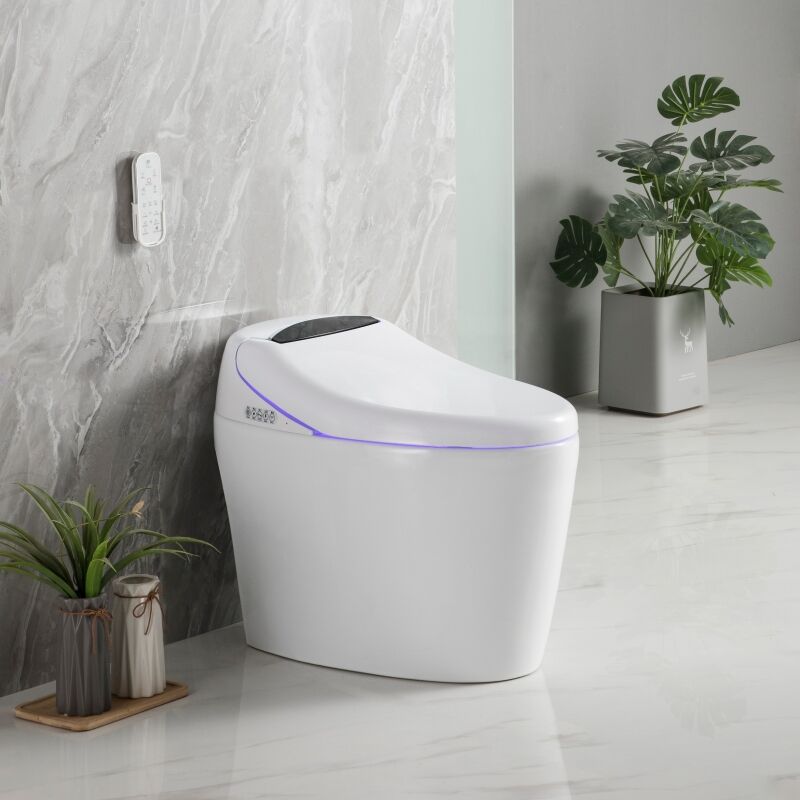
Smart toilet electronic components encompass a complex network of sensors, control boards, heating elements, and communication modules that work together to deliver seamless functionality. These components control everything from seat warming and automatic flushing to bidet functions and air drying systems. When these electronic systems malfunction, they can disrupt the entire user experience and compromise hygiene standards.
Regular maintenance of smart toilet electronic components is essential for preventing costly repairs and ensuring consistent performance. Most electronic failures in smart toilets stem from neglecting routine care, exposure to moisture without proper ventilation, or ignoring early warning signs of component degradation. By implementing a systematic approach to maintenance and troubleshooting, users can maximize their smart toilet's reliability and functionality.
Understanding Smart Toilet Electronic Architecture
Core Control Systems
The heart of any smart toilet lies in its main control board, which coordinates all electronic functions and processes user inputs. This central processing unit communicates with various sensors and actuators throughout the system, managing timing sequences, temperature controls, and safety protocols. Smart toilet electronic components in the control system include microprocessors, memory modules, and communication interfaces that enable seamless operation and remote connectivity features.
Most modern smart toilets utilize advanced control algorithms that adapt to user preferences and environmental conditions. These systems continuously monitor sensor feedback and adjust operations accordingly, ensuring optimal performance while conserving water and energy. The control board also manages diagnostic functions, storing error codes and operational data that can assist with troubleshooting and maintenance scheduling.
Sensor Networks and Detection Systems
Sophisticated sensor networks form the backbone of smart toilet functionality, enabling automatic operation and user detection capabilities. Proximity sensors, pressure sensors, and temperature monitors work together to create an intelligent system that responds to user presence and preferences. These smart toilet electronic components require precise calibration and regular cleaning to maintain accuracy and prevent false activations.
Water level sensors, flow meters, and pressure transducers monitor hydraulic systems and ensure proper water management throughout all operational cycles. These sensors provide critical feedback to the control system, enabling precise water usage optimization and preventing overflow conditions. Understanding how these detection systems function helps users identify potential issues before they escalate into major problems.
Common Electronic Component Failures
Power Supply and Electrical Issues
Power supply problems represent the most frequent cause of smart toilet electronic component failures, often manifesting as complete system shutdowns or intermittent operation. Voltage fluctuations, power surges, and inadequate electrical connections can damage sensitive circuitry and compromise system stability. Regular inspection of power connections and installation of surge protection devices can prevent many electrical-related failures.
Ground fault circuit interrupter (GFCI) trips frequently occur in bathroom environments due to moisture exposure and electrical leakage. Smart toilet electronic components are particularly sensitive to ground faults, which can cause system resets and memory loss. Ensuring proper electrical installation and maintaining dry conditions around electrical connections helps prevent these disruptive power issues.
Sensor Calibration and Response Problems
Sensor drift and calibration errors commonly affect smart toilet electronic components over time, leading to inconsistent operation and user frustration. Proximity sensors may become overly sensitive or unresponsive due to dust accumulation, mineral deposits, or electromagnetic interference. Regular sensor cleaning and periodic recalibration can restore proper sensitivity and response characteristics.
Temperature sensors often experience accuracy degradation due to exposure to cleaning chemicals and moisture. These sensors control critical functions like seat warming and water temperature regulation, making their proper operation essential for user comfort and safety. Replacement of degraded temperature sensors typically requires professional service to ensure proper calibration and safety compliance.
Systematic Troubleshooting Approaches
Initial Diagnostic Procedures
Effective troubleshooting of smart toilet electronic components begins with systematic observation and documentation of symptoms. Users should note when problems occur, environmental conditions, and any error codes displayed on the control panel. This information helps identify patterns and narrow down potential causes, making the troubleshooting process more efficient and accurate.
Basic diagnostic checks include verifying power connections, checking GFCI status, and testing basic functions in sequence. Many smart toilets feature built-in diagnostic modes that can reveal hidden problems and provide valuable troubleshooting information. Accessing these diagnostic functions typically requires following specific button sequences outlined in the user manual.
Component-Specific Testing Methods
Individual smart toilet electronic components can be tested using multimeters and specialized diagnostic equipment to isolate specific failures. Voltage measurements at key test points help identify power distribution problems and component failures. Resistance testing of heating elements, motors, and sensors can reveal open circuits, short circuits, and component degradation before complete failure occurs.
Signal testing and communication verification help diagnose problems with wireless connectivity and remote control functions. These tests require understanding of communication protocols and signal characteristics specific to each manufacturer's implementation. Professional technicians use specialized tools to analyze these signals and identify communication system problems.
Preventive Maintenance Strategies
Regular Cleaning and Inspection Protocols
Consistent cleaning and inspection of smart toilet electronic components prevents many common failures and extends system lifespan significantly. Weekly cleaning of sensor areas, control panels, and ventilation openings removes contaminants that can interfere with proper operation. Using appropriate cleaning products that won't damage electronic components is crucial for maintaining system integrity.
Monthly visual inspections help identify early signs of wear, corrosion, or damage before they lead to component failures. Check for loose connections, damaged wiring, and signs of moisture intrusion around electronic assemblies. Addressing minor issues promptly prevents them from developing into major problems requiring expensive repairs or component replacement.
Environmental Control and Protection
Maintaining proper environmental conditions around smart toilet electronic components is essential for long-term reliability and performance. Adequate ventilation prevents moisture buildup that can cause corrosion and electrical problems. Installing exhaust fans and maintaining proper humidity levels protect sensitive electronic circuits from moisture-related damage.
Temperature extremes can affect the performance and lifespan of electronic components, making climate control an important maintenance consideration. Avoiding exposure to direct sunlight, heating vents, and cold drafts helps maintain stable operating conditions for sensitive smart toilet electronic components. Regular monitoring of ambient conditions helps identify potential environmental threats to system reliability.
Professional Service and Repair Considerations
When to Seek Professional Help
Recognizing when smart toilet electronic component problems require professional intervention is crucial for preventing further damage and ensuring safety. Complex electrical issues, persistent error codes, and problems involving water and electricity combinations should always be addressed by qualified technicians. Attempting repairs beyond basic maintenance can void warranties and create safety hazards.
Professional technicians have specialized tools, training, and access to genuine replacement parts necessary for proper smart toilet electronic component repair. They can perform comprehensive system diagnostics, identify root causes of problems, and implement lasting solutions. Professional service also ensures compliance with electrical codes and safety standards.
Warranty and Service Support Options
Understanding warranty coverage and service support options helps maximize the value of smart toilet investments and ensures access to quality repair services. Most manufacturers provide comprehensive warranties covering smart toilet electronic components for specified periods. Maintaining detailed service records and following recommended maintenance procedures helps preserve warranty coverage.
Extended service plans and maintenance contracts can provide ongoing support for smart toilet electronic components beyond standard warranty periods. These programs often include regular maintenance visits, priority repair services, and discounted replacement parts. Evaluating these options based on usage patterns and reliability requirements helps optimize long-term ownership costs.
Advanced Troubleshooting Techniques
Electronic Circuit Analysis
Advanced troubleshooting of smart toilet electronic components often requires understanding of electronic circuit principles and component characteristics. Circuit analysis techniques help identify problems in power supplies, control circuits, and sensor interfaces that may not be apparent through basic testing methods. This knowledge enables more precise diagnosis and targeted repair approaches.
Oscilloscope testing and signal analysis provide detailed information about the operation of smart toilet electronic components under various conditions. These advanced diagnostic techniques can reveal intermittent problems, timing issues, and signal quality problems that affect system performance. Professional technicians use these tools to analyze complex electronic systems and identify subtle problems.
Software and Firmware Considerations
Modern smart toilet electronic components rely heavily on software and firmware to coordinate operations and provide advanced features. Software updates and firmware patches can resolve many operational issues and improve system performance. Regular updates ensure compatibility with newer devices and access to enhanced functionality.
Configuration parameters and settings stored in smart toilet electronic components can become corrupted or misconfigured over time. Factory reset procedures and parameter restoration can resolve many software-related problems without requiring hardware replacement. Understanding how to access and modify these settings enables more effective troubleshooting and system optimization.
FAQ
How often should smart toilet electronic components be professionally serviced
Professional servicing of smart toilet electronic components should typically occur annually for optimal performance and reliability. However, high-usage installations or harsh environmental conditions may require more frequent professional attention. Regular professional maintenance helps identify potential problems early and ensures all components operate within specifications.
What are the most common signs of failing smart toilet electronic components
The most common indicators of failing smart toilet electronic components include intermittent operation, error code displays, unresponsive sensors, inconsistent water temperatures, and communication failures with remote controls. Users should also watch for unusual sounds, delayed responses to commands, and functions that work sporadically or require multiple attempts to activate.
Can I replace smart toilet electronic components myself
While some basic smart toilet electronic components like sensors and simple switches can be replaced by experienced DIY enthusiasts, most complex electronic repairs should be performed by qualified professionals. Electrical safety considerations, warranty implications, and the specialized knowledge required for proper installation make professional service the recommended approach for most electronic component replacements.
How long do smart toilet electronic components typically last
With proper maintenance and normal usage conditions, smart toilet electronic components typically last between 5 to 10 years. However, component lifespan varies significantly based on usage frequency, environmental conditions, maintenance quality, and manufacturing standards. High-quality components with regular professional maintenance often exceed these typical lifespan expectations considerably.