
 EN
EN
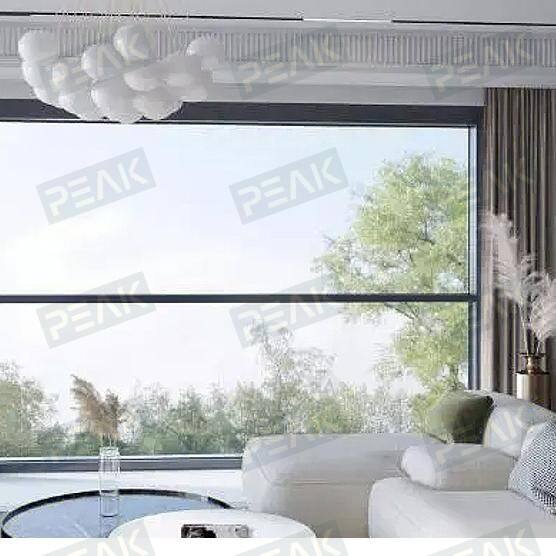
Modern construction increasingly demands energy-efficient solutions that combine aesthetic appeal with superior thermal performance. The growing emphasis on sustainable building practices has positioned thermal break technology as a cornerstone of contemporary architectural design. For residential and commercial properties alike, the implementation of advanced window and door systems represents a significant opportunity to reduce energy consumption while enhancing indoor comfort levels.
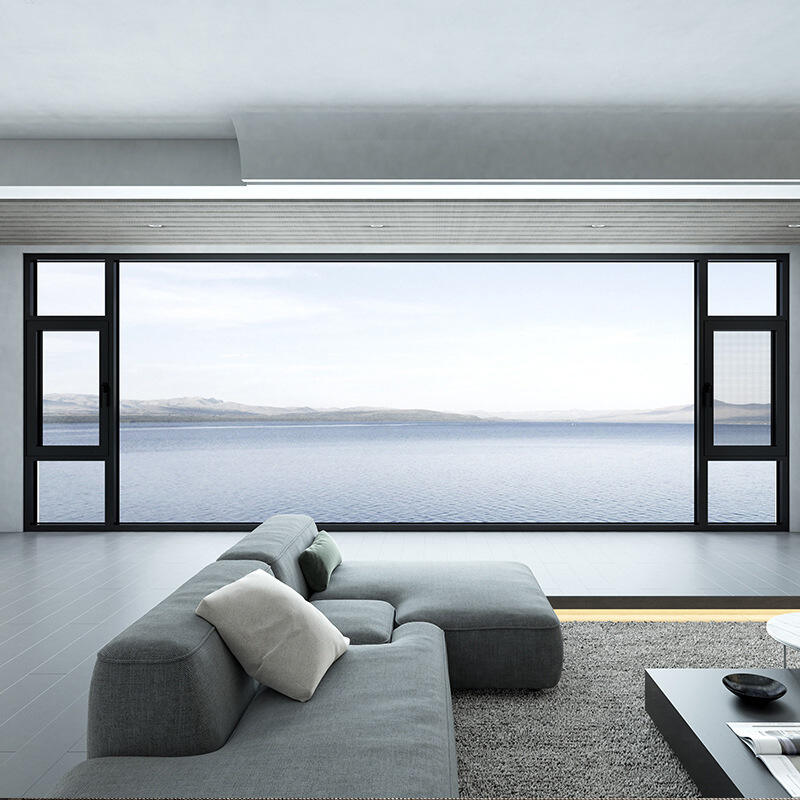
The integration of thermal break technology in balcony fenestration systems has revolutionized the way we approach building envelope design. These innovative solutions effectively interrupt the thermal bridge that traditionally allows heat transfer through aluminum frames, resulting in substantial energy savings and improved occupant comfort. Property owners and architects now recognize thermal break systems as essential components for achieving optimal building performance standards.
Understanding Thermal Break Technology
Fundamental Principles of Thermal Bridging
Thermal bridging occurs when conductive materials create uninterrupted pathways for heat transfer through building components. Traditional aluminum window and door frames, while structurally robust and aesthetically pleasing, possess high thermal conductivity that can compromise a building's overall energy efficiency. This phenomenon leads to increased heating and cooling costs, condensation issues, and reduced indoor comfort levels throughout the year.
The science behind thermal break technology involves strategically placing low-conductivity materials within the aluminum frame structure to interrupt these heat transfer pathways. This interruption significantly reduces the U-value of the fenestration system, directly translating to improved thermal performance and energy savings. Professional engineers and architects leverage this technology to meet increasingly stringent building energy codes and green building certification requirements.
Material Innovation and Design Integration
Contemporary thermal break systems utilize advanced polyamide strips or foam-filled chambers to create effective thermal barriers within aluminum profiles. These materials maintain structural integrity while providing exceptional insulating properties that dramatically reduce heat transfer coefficients. The careful selection and placement of these thermal break materials requires precise engineering to ensure optimal performance without compromising the mechanical properties of the frame system.
Manufacturing processes for thermal break aluminum profiles involve sophisticated techniques that bond insulating materials to aluminum components through mechanical interlocking or chemical bonding methods. This integration creates a unified structural element that delivers both thermal performance and mechanical strength. Quality control measures ensure consistent thermal break effectiveness across entire product lines, maintaining reliable performance standards for large-scale construction projects.
Energy Efficiency Benefits
Quantifiable Energy Savings
Independent testing and real-world performance data consistently demonstrate that thermal break window and door systems can reduce building energy consumption by fifteen to thirty percent compared to conventional aluminum fenestration. These savings result from reduced heat loss during winter months and decreased heat gain during summer periods, leading to lower HVAC system demands throughout the year. Building owners typically observe significant reductions in monthly utility costs within the first year of installation.
Energy modeling software and building performance analysis tools enable architects and engineers to predict precise energy savings for specific projects incorporating thermal break technology. These calculations consider local climate conditions, building orientation, glazing specifications, and overall building envelope characteristics to provide accurate performance projections. The data supports informed decision-making regarding fenestration system selection and building design optimization strategies.
HVAC System Impact and Load Reduction
The improved thermal performance of thermal break fenestration systems directly reduces the heating and cooling loads placed on HVAC equipment throughout the building lifecycle. Mechanical systems experience less stress and operate more efficiently when thermal bridging is minimized, leading to extended equipment lifespan and reduced maintenance requirements. This operational efficiency contributes to additional cost savings beyond direct energy consumption reductions.
Professional HVAC designers can specify smaller capacity systems when thermal break windows and doors are incorporated into building designs, resulting in lower initial equipment costs and reduced installation complexity. The cumulative effect of improved envelope performance and optimized mechanical system sizing creates substantial long-term economic benefits for property owners and building operators.
Customization Options and Design Flexibility
Architectural Integration Possibilities
Modern balcony thermal break aluminum doors and windows customization offers extensive design flexibility that accommodates diverse architectural styles and functional requirements. Manufacturers provide comprehensive selection of frame profiles, hardware options, glazing configurations, and finishing treatments that enable seamless integration with existing building aesthetics. This versatility ensures that energy efficiency improvements do not compromise architectural vision or design intent.
Advanced fabrication capabilities allow for complex geometric configurations, oversized openings, and specialized performance requirements that meet unique project demands. Custom color matching, surface texturing, and decorative element integration provide architects with unlimited creative possibilities while maintaining superior thermal performance characteristics. These customization options support both new construction and renovation projects across residential, commercial, and institutional building sectors.
Performance Specification Adaptability
Thermal break systems can be engineered to meet specific performance criteria related to thermal transmittance, air infiltration, water resistance, and structural loading requirements. This adaptability enables optimization for diverse climate conditions, exposure levels, and building code requirements across different geographic regions. Professional specification writers can select precise performance parameters that align with project-specific goals and regulatory compliance needs.
Testing protocols and certification programs validate the performance characteristics of thermal break fenestration systems under controlled laboratory conditions and simulated field environments. These verification processes provide confidence in specified performance levels and support warranty programs that protect building owners from performance deficiencies. Independent third-party testing organizations maintain rigorous standards that ensure consistent product quality and reliability.
Installation and Maintenance Considerations
Professional Installation Requirements
Proper installation of thermal break window and door systems requires specialized knowledge of thermal performance principles, waterproofing techniques, and structural attachment methods. Certified installation professionals understand the critical importance of maintaining thermal break continuity throughout the installation process and employ best practices that preserve system performance characteristics. Training programs and certification requirements ensure installer competency and installation quality standards.
Installation procedures must address potential thermal bridging through fasteners, sealants, and adjacent building components to maintain overall system effectiveness. Detailed installation specifications and quality control checklists guide installers through proper procedures that protect thermal break integrity while ensuring structural adequacy and weather resistance. Regular inspection and testing during installation verify compliance with manufacturer requirements and building code provisions.
Long-term Performance and Maintenance
Thermal break aluminum fenestration systems are engineered for extended service life with minimal maintenance requirements when properly installed and operated. Routine maintenance procedures focus on hardware adjustment, sealant inspection, and cleaning protocols that preserve both aesthetic appearance and functional performance. Preventive maintenance programs help identify potential issues before they compromise system effectiveness or require costly repairs.
Manufacturer warranty programs typically provide comprehensive coverage for thermal break effectiveness, structural performance, and finish durability over extended periods. These warranties reflect confidence in product quality and manufacturing processes while providing building owners with protection against performance deficiencies. Regular maintenance documentation and professional service records support warranty claims and demonstrate proper system care.
FAQ
What makes thermal break aluminum windows more energy efficient than standard aluminum frames
Thermal break aluminum windows incorporate insulating materials within the frame structure that interrupt heat transfer pathways, reducing thermal conductivity by up to seventy percent compared to standard aluminum frames. This technology prevents the aluminum frame from acting as a thermal bridge that conducts heat between interior and exterior environments, resulting in improved insulation values and reduced energy consumption for heating and cooling systems.
How much can property owners expect to save on energy costs with thermal break windows
Energy savings from thermal break windows typically range from fifteen to thirty percent of total building energy consumption, depending on climate conditions, building size, and existing fenestration performance. Most property owners observe significant reductions in monthly utility bills within the first year of installation, with cumulative savings often justifying the initial investment within five to eight years through reduced operating costs.
Are thermal break windows suitable for all climate conditions and building types
Thermal break technology provides benefits in all climate conditions, with particularly significant advantages in regions with extreme temperature variations or high heating and cooling demands. These systems can be customized for specific performance requirements related to thermal transmittance, condensation resistance, and structural loading, making them suitable for residential, commercial, and institutional applications across diverse geographic locations.
What maintenance is required to preserve thermal break window performance over time
Thermal break windows require minimal maintenance beyond standard cleaning, hardware lubrication, and periodic sealant inspection. The thermal break components themselves are designed for the service life of the window system and do not require replacement or special maintenance. Regular professional inspection every few years helps identify potential issues early and ensures continued optimal performance throughout the product lifecycle.
Table of Contents
- Understanding Thermal Break Technology
- Energy Efficiency Benefits
- Customization Options and Design Flexibility
- Installation and Maintenance Considerations
-
FAQ
- What makes thermal break aluminum windows more energy efficient than standard aluminum frames
- How much can property owners expect to save on energy costs with thermal break windows
- Are thermal break windows suitable for all climate conditions and building types
- What maintenance is required to preserve thermal break window performance over time