
 EN
EN

Modern bathrooms are evolving rapidly with technological advancements, and smart toilets have emerged as one of the most significant innovations in residential and commercial plumbing. When considering the integration of these advanced fixtures, understanding smart toilet installation requirements becomes crucial for homeowners and building professionals alike. The complexity of these systems demands careful planning, proper infrastructure assessment, and thorough compatibility analysis to ensure seamless operation and long-term satisfaction.
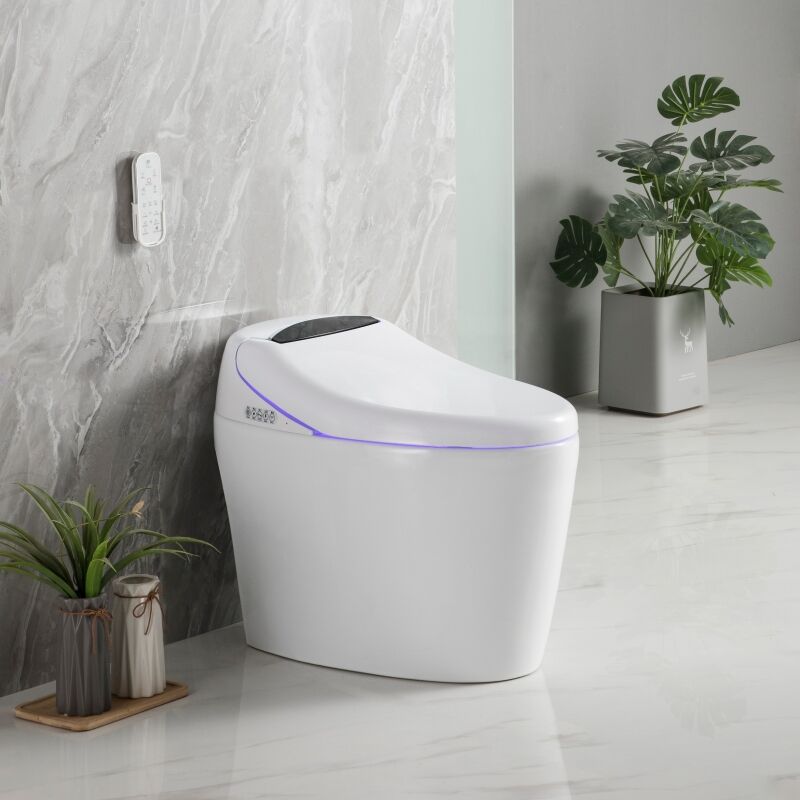
The transition from traditional toilets to smart fixtures involves multiple technical considerations that extend beyond simple replacement procedures. Smart toilet installation requirements encompass electrical specifications, plumbing modifications, spatial constraints, and compatibility assessments that significantly impact the overall project success. Property owners must evaluate their existing infrastructure against the specific demands of modern smart toilet systems to avoid costly complications and ensure optimal performance.
Professional installation expertise becomes paramount when dealing with the intricate components and sophisticated technology integrated into contemporary smart toilets. These advanced fixtures combine traditional plumbing functions with electronic controls, heated surfaces, bidet features, and automated operations that require specialized knowledge and precise execution. Understanding these complexities helps stakeholders make informed decisions and prepare adequately for the installation process.
Electrical Infrastructure and Power Supply Considerations
GFCI Protection and Electrical Safety Standards
Smart toilet installation requirements begin with establishing proper electrical infrastructure that meets current safety codes and manufacturer specifications. Ground Fault Circuit Interrupter protection is mandatory for all bathroom electrical installations, providing essential safety measures against electrical hazards in wet environments. The electrical circuit must be dedicated to the smart toilet system to prevent overloading and ensure consistent power delivery for all integrated functions.
Professional electricians must evaluate the existing electrical panel capacity and determine whether additional circuits are necessary to accommodate the smart toilet's power demands. The installation location requires proximity to electrical outlets or the capability to install new wiring that meets local building codes. Proper grounding and surge protection become critical components in protecting the sophisticated electronic systems within modern smart toilets.
Voltage requirements vary among different smart toilet models, with most residential units operating on standard 120V AC power while some premium models may require 240V connections. Understanding these specifications early in the planning process prevents compatibility issues and ensures the electrical infrastructure can support the chosen smart toilet system effectively.
Power Consumption and Energy Efficiency Analysis
Evaluating power consumption patterns helps property owners understand the operational costs and environmental impact of their smart toilet investment. Most modern smart toilets consume between 500 to 1500 watts during peak operation, with standby power requirements ranging from 10 to 50 watts depending on the features and efficiency ratings of the specific model.
Energy-efficient smart toilets incorporate advanced power management systems that optimize electricity usage while maintaining consistent performance across all functions. These systems often include programmable settings that allow users to customize power consumption based on usage patterns and preferences, contributing to overall energy savings and reduced operational costs.
Smart toilet installation requirements should account for the long-term energy implications and potential utility cost increases associated with continuous operation of heated seats, water heating elements, air dryers, and electronic control systems. Proper assessment of these factors enables informed decision-making regarding model selection and operational settings.
Plumbing System Compatibility and Water Supply Requirements
Water Pressure and Flow Rate Specifications
Adequate water pressure represents a fundamental requirement for proper smart toilet operation, with most models requiring minimum pressure levels between 15 to 30 PSI for optimal performance. The existing plumbing system must deliver consistent water flow to support various functions including bowl flushing, bidet operations, and tank refilling cycles without compromising performance quality.
Smart toilet installation requirements include assessment of the building's water pressure throughout different usage periods, as pressure fluctuations can significantly impact the functionality of pressure-sensitive components. Professional plumbers must evaluate the water supply lines, shut-off valves, and pressure regulation systems to ensure compatibility with the smart toilet's operational demands.
Water flow rate considerations extend beyond basic pressure requirements to include the capacity for simultaneous operations such as bowl cleaning while maintaining bidet functionality. The plumbing infrastructure must accommodate peak demand scenarios without creating system conflicts or performance degradation that could affect user satisfaction.
Drainage and Waste Management Systems
Proper drainage compatibility ensures effective waste removal and prevents backup issues that could compromise the smart toilet's operation and hygiene standards. The existing waste line configuration must align with the smart toilet's discharge requirements, including proper slope gradients and pipe sizing that facilitates efficient waste flow.
Smart toilet installation requirements often involve evaluation of the rough-in dimensions, which typically range from 10 to 14 inches from the wall centerline to the waste outlet. Compatibility with existing rough-in measurements prevents costly plumbing modifications and ensures proper toilet positioning within the bathroom space.
Advanced smart toilets may incorporate dual-flush mechanisms or variable flush volumes that require specific drainage capabilities to function effectively. The waste management system must accommodate these variations while maintaining consistent performance and preventing clogs or backup situations that could damage the sophisticated internal components.
Space Planning and Dimensional Requirements
Clearance Standards and Accessibility Compliance
Smart toilet installation requirements include adherence to building codes and accessibility standards that dictate minimum clearance distances and spatial arrangements within bathroom environments. The Americans with Disabilities Act guidelines specify clearance requirements that must be maintained around toilet fixtures to ensure accessibility for users with mobility limitations.
Front clearance typically requires a minimum of 24 inches from the toilet bowl edge, while side clearances vary based on local codes and accessibility requirements. These specifications become particularly important when installing larger smart toilet models that may have extended dimensions compared to traditional fixtures.
Ceiling height considerations affect the installation of smart toilets with integrated air purification systems or advanced control panels that extend upward from the main fixture. Adequate vertical clearance ensures proper operation of all components while maintaining comfortable user access to control interfaces and service panels.
Integration with Existing Bathroom Layout
Successful smart toilet integration requires careful analysis of the existing bathroom layout to identify potential conflicts with other fixtures, storage solutions, or architectural features. The positioning must optimize user comfort while maintaining practical access to plumbing connections and electrical outlets necessary for proper operation.
Smart toilet installation requirements may necessitate modifications to flooring, wall finishes, or adjacent fixture positioning to accommodate the new system's dimensions and operational clearances. These considerations should be evaluated during the planning phase to minimize disruption and additional costs during the installation process.
The integration process often involves coordination with other bathroom renovation projects to ensure cohesive design aesthetics and functional efficiency. Smart toilets can serve as focal points in modern bathroom designs, requiring thoughtful placement that enhances the overall space while meeting practical operational requirements.
Technology Integration and Smart Home Compatibility
Wireless Connectivity and Network Requirements
Modern smart toilets increasingly incorporate wireless connectivity features that enable remote control, monitoring, and integration with broader smart home systems. The bathroom location must provide adequate Wi-Fi signal strength to support reliable communication between the smart toilet installation requirements and the home network infrastructure.
Network security considerations become important when connecting smart toilets to home Wi-Fi systems, as these devices may collect usage data or provide remote access capabilities that require proper security protocols. Installation teams must ensure that network connections follow manufacturer security guidelines and integrate appropriately with existing smart home management systems.
Bandwidth requirements for smart toilet connectivity are typically minimal, but consistent connection quality ensures reliable operation of features such as automatic software updates, usage analytics, and remote diagnostic capabilities that enhance the long-term user experience.
Mobile App Integration and User Interface Requirements
Smart toilet installation requirements include consideration of user interface preferences and mobile device compatibility that affect the overall user experience and system functionality. Most modern smart toilets offer companion mobile applications that provide advanced control options and customization capabilities beyond basic remote control functions.
The installation process should include setup and configuration of mobile applications, user account creation, and integration with existing smart home platforms such as Amazon Alexa, Google Home, or Apple HomeKit depending on the toilet model's compatibility specifications.
User training becomes an essential component of the installation process, ensuring that property owners understand how to access and utilize the full range of smart toilet features through both physical controls and mobile applications for optimal satisfaction and performance.
Professional Installation vs DIY Considerations
Technical Expertise Requirements
Smart toilet installation requirements typically exceed the scope of standard DIY plumbing projects due to the integration of electrical systems, sophisticated controls, and precise calibration procedures necessary for proper operation. Professional installation ensures compliance with local building codes while protecting warranty coverage that could be voided by improper installation procedures.
The technical complexity of smart toilet systems requires specialized tools and knowledge of both plumbing and electrical systems that most homeowners do not possess. Professional installers bring expertise in troubleshooting potential compatibility issues and implementing solutions that ensure long-term reliability and performance.
Liability considerations favor professional installation, as improper handling of electrical components or plumbing connections can result in property damage, safety hazards, or costly repairs that exceed the initial installation investment. Professional installers carry insurance coverage and provide warranties on their work quality.
Cost Analysis and Value Proposition
While professional installation represents an additional cost beyond the smart toilet purchase price, the investment typically provides value through proper system setup, warranty protection, and reduced risk of installation-related problems. Smart toilet installation requirements often reveal hidden costs such as electrical upgrades or plumbing modifications that professionals can identify early in the process.
The cost comparison between professional and DIY installation should account for potential mistakes, warranty implications, and the time investment required for homeowners to research and execute proper installation procedures. Professional installation typically includes follow-up service and support that adds long-term value to the investment.
Quality assurance provided by professional installation teams ensures that smart toilet installation requirements are met completely and that all systems function as designed from the initial startup through long-term operation, providing peace of mind and optimal return on investment.
Maintenance Planning and Long-term Support
Preventive Maintenance Schedules
Smart toilet installation requirements should include establishment of preventive maintenance schedules that preserve optimal performance and extend the system's operational lifespan. Regular maintenance procedures typically involve cleaning sensors, calibrating water pressure settings, and updating software systems to ensure continued compatibility and functionality.
Professional maintenance services provide specialized expertise in diagnosing and addressing potential issues before they develop into costly repairs or system failures. These services often include comprehensive inspections, performance testing, and replacement of wear components that maintain optimal operation standards.
Documentation of maintenance activities creates valuable records for warranty claims and helps identify usage patterns that may require adjustment of operational settings or user behavior modifications to optimize performance and longevity.
Technical Support and Troubleshooting Resources
Understanding available technical support resources helps property owners address operational questions and minor issues without requiring expensive service calls. Most smart toilet manufacturers provide comprehensive user manuals, online resources, and customer support services that assist with routine troubleshooting and optimization procedures.
Smart toilet installation requirements should include establishment of relationships with qualified service technicians who specialize in the specific brand and model installed. These relationships ensure prompt response to service needs and access to genuine replacement parts when maintenance or repairs become necessary.
Remote diagnostic capabilities in modern smart toilets enable manufacturers and service providers to identify and resolve many issues without on-site visits, reducing service costs and minimizing disruption to daily routines while maintaining optimal system performance.
FAQ
What electrical requirements are needed for smart toilet installation?
Smart toilet installation requirements typically include a dedicated 120V electrical circuit with GFCI protection located within reach of the toilet location. The circuit should be capable of handling 15-20 amperes to accommodate the toilet's power needs for features like heated seats, bidet functions, and electronic controls. Professional electrical work may be required to install appropriate wiring and outlets if they don't currently exist in the bathroom location.
Can smart toilets be installed in any bathroom space?
Smart toilet installation requirements include adequate clearance space, proper rough-in dimensions, and access to both electrical and plumbing connections. Most bathrooms can accommodate smart toilets with proper planning, but modifications may be necessary for electrical access, water pressure adjustments, or space reconfiguration to meet manufacturer specifications and local building codes for optimal performance and safety.
How much does professional smart toilet installation typically cost?
Professional smart toilet installation costs typically range from $300 to $800 for basic installation, with additional charges for electrical work, plumbing modifications, or complex integration requirements. The total project cost depends on existing infrastructure compatibility, local labor rates, and specific smart toilet installation requirements for the chosen model, making professional assessment valuable for accurate cost estimation.
What maintenance is required after smart toilet installation?
Smart toilet installation requirements should include planning for regular maintenance such as cleaning sensors and nozzles, checking water filter systems, and updating software as needed. Most models require minimal routine maintenance beyond normal cleaning, but annual professional inspections can help identify potential issues early and ensure all electronic and mechanical components continue operating at peak efficiency throughout the system's lifespan.
Table of Contents
- Electrical Infrastructure and Power Supply Considerations
- Plumbing System Compatibility and Water Supply Requirements
- Space Planning and Dimensional Requirements
- Technology Integration and Smart Home Compatibility
- Professional Installation vs DIY Considerations
- Maintenance Planning and Long-term Support
- FAQ