
 EN
EN
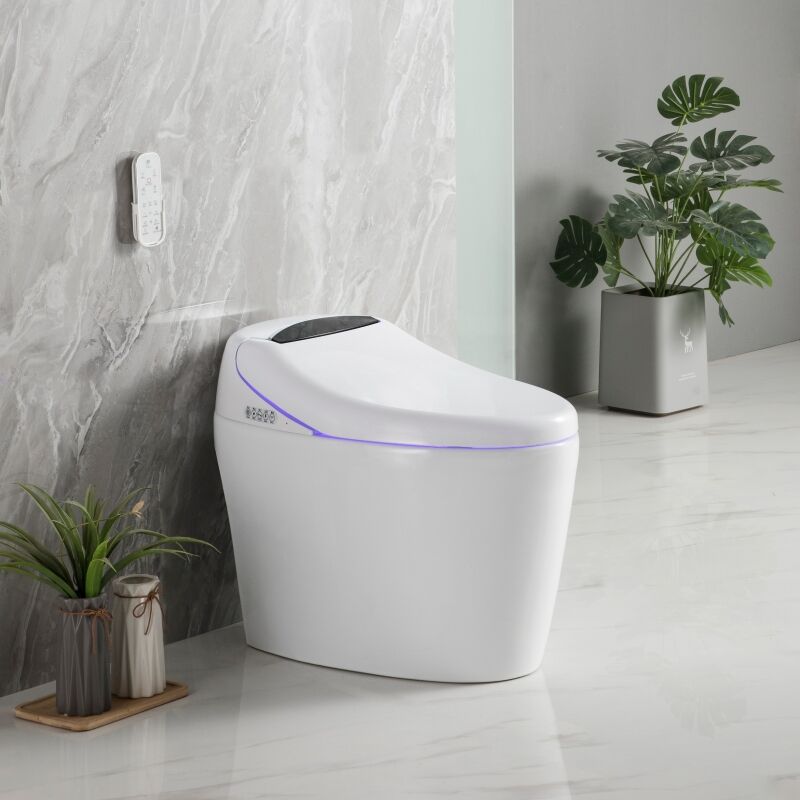
Modern bathroom design increasingly emphasizes accessibility and user-friendly technology, making the selection of a smart toilet a critical decision for homeowners and facility managers. The integration of advanced features in bathroom fixtures has revolutionized how we approach personal hygiene and comfort, particularly for individuals with mobility challenges or specific accessibility needs. Understanding which features to prioritize when selecting a smart toilet ensures optimal functionality, safety, and long-term satisfaction for users of all abilities.
Essential Accessibility Features in Smart Toilet Design
Height Adjustability and Comfort
The height of a smart toilet significantly impacts user accessibility and comfort. Standard toilet heights often present challenges for individuals with limited mobility, making adjustable height mechanisms a valuable feature. Many advanced smart toilet models offer electronic height adjustment capabilities, allowing users to customize the seating position according to their specific needs. This adaptability proves particularly beneficial for wheelchair users, elderly individuals, and those recovering from surgeries or dealing with chronic conditions.
Comfort extends beyond height considerations to encompass seat ergonomics and temperature control. Premium smart toilet designs incorporate heated seats with multiple temperature settings, ensuring user comfort across different seasons and personal preferences. The combination of proper height positioning and temperature-controlled seating creates an optimal environment for users with various accessibility requirements.
Automated Operation Systems
Hands-free operation represents a cornerstone of accessible smart toilet technology. Motion sensors and proximity detection systems eliminate the need for manual interaction with flush mechanisms, reducing physical strain and improving hygiene standards. These automated systems typically include customizable sensitivity settings, allowing users to adjust the activation distance and response time according to their mobility patterns and preferences.
Advanced smart toilet models feature comprehensive automation that extends beyond flushing to include lid opening and closing, seat positioning, and cleaning cycles. This level of automation proves invaluable for individuals with limited upper body strength or dexterity challenges, enabling independent bathroom use without compromising safety or comfort.
Hygiene and Cleaning Technology
Integrated Bidet Functions
Bidet functionality in a smart toilet addresses critical hygiene needs while reducing the physical demands of traditional cleaning methods. Adjustable water pressure, temperature control, and multiple spray patterns accommodate diverse user preferences and physical limitations. For individuals with limited mobility or dexterity issues, these automated cleaning features provide essential independence and maintain personal hygiene standards without requiring external assistance.
The positioning and coverage of bidet nozzles significantly impact effectiveness and user comfort. High-quality smart toilet designs incorporate self-cleaning nozzles with UV sterilization capabilities, ensuring optimal hygiene between uses. Multiple nozzle positions and oscillating functions provide comprehensive coverage, adapting to different user anatomies and preferences while maintaining consistent cleaning performance.
Self-Cleaning and Maintenance Features
Automated cleaning cycles reduce maintenance requirements and ensure consistent cleanliness standards. Smart toilet models with integrated cleaning systems utilize specialized coatings, UV sterilization, and electrolyzed water technology to maintain bowl cleanliness between manual cleaning sessions. These features particularly benefit users who may have difficulty performing regular maintenance tasks or accessing cleaning supplies easily.
Advanced filtration and odor elimination systems contribute to overall bathroom hygiene and user comfort. Built-in air purification technology and activated carbon filters address odor concerns while maintaining fresh air circulation. These features create a more pleasant environment for all users while reducing the need for additional air freshening products or frequent ventilation adjustments.
Safety and Support Features
Emergency Alert Systems
Safety considerations in smart toilet design include emergency communication capabilities and fall detection technology. Advanced models incorporate emergency call buttons positioned within easy reach of seated users, enabling immediate assistance requests when needed. These systems often connect to home automation networks or directly contact emergency services, providing peace of mind for users and their families.
Fall detection sensors and prolonged occupancy monitoring add additional safety layers to smart toilet functionality. These systems can detect unusual patterns or extended periods of inactivity, triggering alerts to designated contacts or emergency services. Such features prove particularly valuable for elderly users or individuals with medical conditions that may increase fall risk or require monitoring.
Stability and Support Integration
Physical support features enhance user safety and confidence during smart toilet use. Integrated grab bars, armrests, and stability rails provide essential support points for users with mobility challenges or balance concerns. These support elements must be positioned strategically and constructed from durable materials capable of supporting substantial weight loads while maintaining aesthetic appeal.
Anti-slip surfaces and textured floor areas around smart toilet installations further enhance safety standards. Non-slip materials and appropriate lighting reduce slip and fall risks, creating a secure environment for users with varying mobility levels. Proper installation techniques ensure these safety features integrate seamlessly with overall bathroom design while maintaining functionality and accessibility standards.
User Interface and Control Options
Voice Control Integration
Voice-activated controls eliminate the need for physical interaction with smart toilet interfaces, particularly benefiting users with limited dexterity or visual impairments. Modern smart toilet systems integrate with popular voice assistants, enabling users to control flushing, bidet functions, seat positioning, and temperature settings through simple voice commands. This hands-free approach enhances accessibility while maintaining user independence and dignity.
Customizable voice command libraries allow users to establish personalized control phrases and preferences. Advanced smart toilet models learn user patterns and preferences over time, adapting responses and suggesting optimal settings based on usage history. This adaptive technology creates increasingly personalized experiences while maintaining consistent accessibility features across different users.
Remote Control and Mobile Applications
Dedicated remote controls with large, clearly labeled buttons provide intuitive operation for users who prefer manual control options. These devices typically feature backlit displays and tactile feedback, ensuring usability in low-light conditions or for users with visual impairments. Battery life optimization and charging capabilities ensure reliable operation when needed most.
Mobile applications extend smart toilet control capabilities to smartphones and tablets, offering comprehensive customization options and usage monitoring features. These applications enable caregivers or family members to adjust settings remotely, monitor usage patterns, and receive maintenance alerts. Cloud connectivity allows for software updates and feature enhancements, ensuring smart toilet functionality remains current with technological advances.
Energy Efficiency and Environmental Considerations
Water Conservation Technology
Water-efficient smart toilet designs incorporate dual-flush mechanisms and intelligent flow control systems that optimize water usage without compromising performance. These features reduce environmental impact while potentially lowering utility costs, making smart toilet installations more sustainable and economically viable for long-term use. Advanced sensors detect waste types and automatically select appropriate flush volumes, maximizing efficiency while maintaining cleanliness standards.
Greywater recycling capabilities in premium smart toilet models further enhance environmental sustainability. These systems can utilize water from sinks or showers for toilet flushing, reducing overall water consumption and supporting green building initiatives. Integration with home water management systems creates comprehensive efficiency solutions that benefit both users and the environment.
Energy Management Systems
Smart toilet energy management includes programmable heating schedules, motion-activated power modes, and standby optimization features. These systems reduce electricity consumption while maintaining user comfort and functionality when needed. Seasonal adjustment capabilities adapt energy usage patterns to changing environmental conditions and user preferences throughout the year.
Solar compatibility and battery backup options ensure smart toilet functionality during power outages or in off-grid installations. These features maintain essential accessibility functions even when primary power sources become unavailable, ensuring continuous support for users who depend on smart toilet features for independence and safety.
Installation and Compatibility Factors
Plumbing and Electrical Requirements
Smart toilet installation requirements vary significantly between models, affecting both initial costs and long-term maintenance considerations. Electrical requirements typically include dedicated GFCI outlets positioned within appropriate distances of the installation location. Professional assessment of existing electrical systems ensures adequate power supply for smart toilet operation while maintaining safety standards and code compliance.
Plumbing modifications may be necessary to accommodate smart toilet water supply and drainage requirements. Some models require additional water lines for bidet functions or specialized drainage configurations for optimal performance. Understanding these requirements before purchase prevents installation delays and unexpected costs while ensuring proper smart toilet functionality from the start.
Space Planning and Design Integration
Dimensional considerations play crucial roles in smart toilet selection and bathroom design planning. Clearance requirements for accessibility compliance, maintenance access, and user comfort must be evaluated against available space constraints. Proper planning ensures smart toilet installation meets accessibility standards while maintaining aesthetic appeal and functional efficiency within existing bathroom layouts.
Integration with existing bathroom fixtures and design elements requires careful consideration of style, color, and functionality coordination. Smart toilet designs range from contemporary minimalist aesthetics to traditional styling options, enabling coordination with diverse interior design preferences while maintaining accessibility and technological functionality requirements.
Long-term Value and Maintenance
Warranty and Support Services
Comprehensive warranty coverage and manufacturer support services significantly impact smart toilet long-term value propositions. Extended warranties covering electronic components, mechanical systems, and software updates protect against unexpected repair costs while ensuring continued functionality. Professional installation services and ongoing technical support maintain optimal smart toilet performance throughout the product lifecycle.
Manufacturer reputation and service network availability influence smart toilet reliability and user satisfaction over time. Established brands with extensive service networks provide greater assurance of parts availability, qualified technician access, and responsive customer support when issues arise. Research into manufacturer track records and customer feedback guides informed smart toilet selection decisions.
Upgrade Potential and Future Compatibility
Modular design features and software update capabilities extend smart toilet useful life spans while adapting to changing user needs and technological advances. Models with upgradeable components and expandable feature sets provide better long-term value compared to fixed-function alternatives. Future compatibility considerations include integration with emerging smart home technologies and accessibility standards.
Investment in smart toilet technology should consider potential return on investment through reduced caregiving needs, improved independence, and enhanced quality of life for users with accessibility requirements. While initial costs may be substantial, the long-term benefits of improved accessibility and reduced dependency on assistance can justify the investment for many individuals and families seeking bathroom independence solutions.
FAQ
What is the typical lifespan of a smart toilet and its electronic components
Most smart toilet mechanical components last 15-20 years with proper maintenance, while electronic systems typically function reliably for 8-12 years. Regular software updates and component servicing can extend operational life significantly. Warranty coverage usually includes 3-5 years for electronics and 10+ years for ceramic components, providing protection during the most critical periods of ownership.
How much additional electrical capacity is required for smart toilet installation
Smart toilet electrical requirements typically range from 1200-1800 watts, necessitating dedicated 15-20 amp circuits in most installations. GFCI protection is mandatory for bathroom electrical installations, and professional electrical assessment ensures adequate capacity without overloading existing systems. Some models offer low-power modes that reduce electrical demands during periods of non-use.
Can smart toilet features be customized for multiple users with different accessibility needs
Advanced smart toilet models support multiple user profiles with individualized settings for seat height, water temperature, pressure settings, and automated functions. Voice recognition and proximity sensors can automatically detect different users and apply appropriate settings. Family members or caregivers can establish and modify profiles remotely through mobile applications, ensuring optimal accessibility for each user's specific requirements.
What maintenance procedures are required to keep smart toilet systems functioning optimally
Regular smart toilet maintenance includes filter replacements every 6-12 months, nozzle cleaning cycles, and software updates as released by manufacturers. Professional servicing annually helps identify potential issues before they become major problems. Most smart toilet models include self-diagnostic features that alert users to maintenance needs, reducing the risk of unexpected failures and ensuring consistent performance over time.
Table of Contents
- Essential Accessibility Features in Smart Toilet Design
- Hygiene and Cleaning Technology
- Safety and Support Features
- User Interface and Control Options
- Energy Efficiency and Environmental Considerations
- Installation and Compatibility Factors
- Long-term Value and Maintenance
-
FAQ
- What is the typical lifespan of a smart toilet and its electronic components
- How much additional electrical capacity is required for smart toilet installation
- Can smart toilet features be customized for multiple users with different accessibility needs
- What maintenance procedures are required to keep smart toilet systems functioning optimally