
 EN
EN
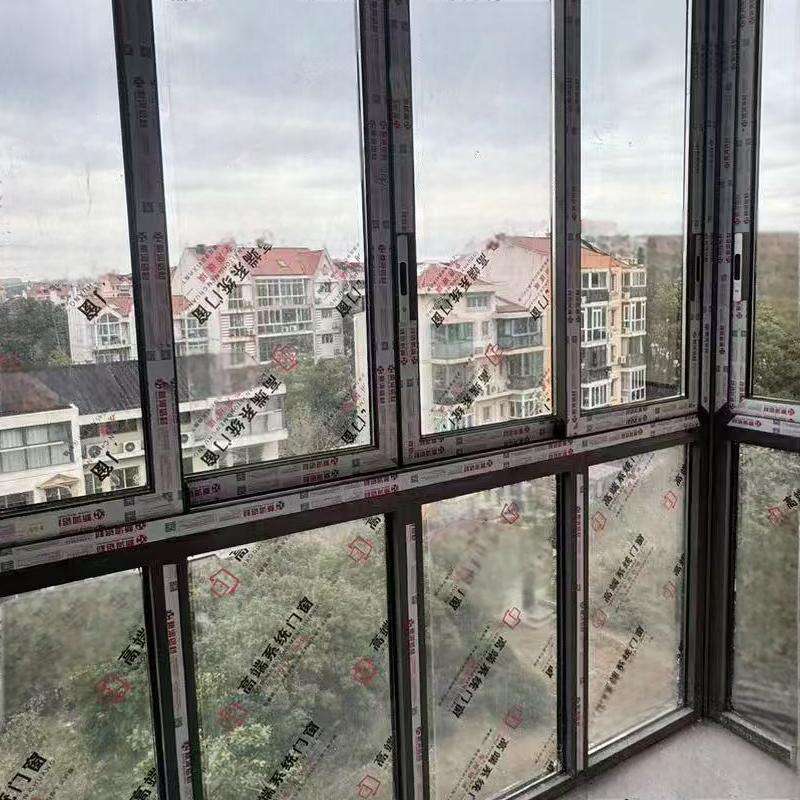
Creating the perfect sunroom requires careful consideration of thermal efficiency, durability, and aesthetic appeal. The installation of high-quality sunroom thermal break aluminum doors and windows represents one of the most critical decisions homeowners and contractors face when building or renovating these versatile spaces. Proper installation techniques not only ensure optimal performance but also maximize energy savings and extend the lifespan of your investment. Understanding the unique requirements and challenges associated with thermal break aluminum systems will help you achieve professional results that stand the test of time.
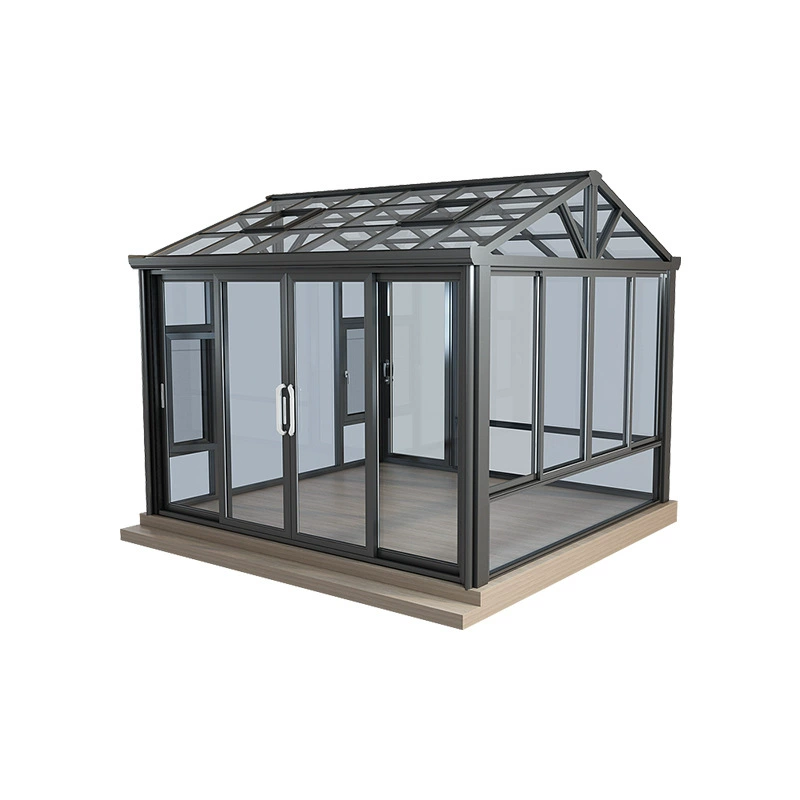
Understanding Thermal Break Technology in Sunroom Applications
The Science Behind Thermal Break Systems
Thermal break technology revolutionizes how aluminum frames perform in temperature-sensitive environments like sunrooms. The system incorporates a non-conductive material, typically polyamide strips, between the interior and exterior aluminum sections. This barrier prevents direct thermal conduction through the frame, dramatically reducing heat transfer and condensation issues. In sunroom applications, where temperature differentials can be extreme, this technology proves essential for maintaining comfortable interior conditions year-round.
The polyamide thermal break creates an effective insulation zone that can improve overall thermal performance by up to 40% compared to standard aluminum frames. This enhancement becomes particularly valuable in sunrooms, where large glass surfaces already challenge traditional insulation methods. Professional installers recognize that thermal break aluminum frames require specific handling techniques to preserve the integrity of these insulating barriers during installation.
Performance Advantages in Sunroom Environments
Sunrooms present unique challenges due to their extensive glazing and exposure to direct sunlight throughout the day. Thermal break aluminum systems address these challenges by maintaining consistent frame temperatures, reducing thermal stress on glazing units, and minimizing expansion-contraction cycles. These benefits translate to longer glazing life, improved weather sealing performance, and enhanced occupant comfort.
Energy efficiency gains from thermal break technology become amplified in sunroom settings where heating and cooling loads can fluctuate dramatically. The reduced thermal bridging helps maintain more stable interior temperatures, reducing HVAC system cycling and associated energy consumption. Professional installations of sunroom thermal break aluminum doors and windows consistently demonstrate superior performance metrics compared to conventional aluminum systems.
Pre-Installation Planning and Site Assessment
Structural Evaluation and Load Calculations
Successful thermal break aluminum door and window installation begins with comprehensive structural assessment. Sunroom environments often feature large spans and significant glazing loads that require careful engineering analysis. Professional installers must evaluate existing framing capacity, determine appropriate fastening schedules, and identify any structural modifications needed to support the new systems properly.
Load calculations become particularly critical when replacing existing windows or doors with thermal break aluminum systems, which may have different weight characteristics and thermal movement patterns. The assessment should include evaluation of foundation adequacy, structural member sizing, and connection details that will interface with the new aluminum systems. Proper documentation of these factors ensures installation proceeds smoothly and meets all applicable building codes.
Environmental Factor Analysis
Sunroom installations demand careful consideration of environmental factors that influence thermal break aluminum system performance. Wind loads, solar exposure patterns, and local climate conditions all impact installation requirements and system selection. Professional assessment includes analysis of prevailing wind directions, peak solar gain periods, and seasonal temperature variations that will affect system operation.
Moisture management planning proves essential in sunroom applications where humidity levels can fluctuate significantly. The assessment should identify potential condensation zones, evaluate drainage requirements, and plan vapor barrier integration. These factors directly influence installation details and long-term system performance, making thorough environmental analysis a critical pre-installation step.
Professional Installation Techniques and Best Practices
Frame Positioning and Alignment Methods
Precision alignment represents the foundation of successful thermal break aluminum installation. Professional techniques emphasize establishing accurate reference lines and maintaining consistent reveals throughout the installation process. The thermal break components require careful handling to prevent damage during positioning, as any compromise to the insulating barrier reduces system performance significantly.
Advanced installers utilize laser levels and precision measuring tools to ensure frame placement meets manufacturer specifications within tight tolerances. The alignment process must account for anticipated thermal movement, building settlement, and seasonal variations that could affect long-term performance. Proper shimming techniques distribute loads evenly while maintaining the integrity of thermal break components throughout the frame assembly.
Sealing and Weather Protection Integration
Weather sealing in sunroom thermal break aluminum systems requires specialized techniques that accommodate thermal movement while maintaining continuous protection. Professional installations incorporate multiple sealing layers, including structural glazing compounds, weather seals, and thermal barriers that work together to create comprehensive environmental protection.
The sealing process must address the unique expansion characteristics of thermal break aluminum systems, which can exhibit different movement patterns between interior and exterior frame sections. Advanced sealant selection considers compatibility with aluminum surfaces, UV resistance requirements, and long-term flexibility needed for sunroom applications. Proper application techniques ensure continuous seal integrity even under extreme temperature cycling conditions.
Quality Control and Performance Verification
Installation Inspection Protocols
Professional quality control measures verify that thermal break aluminum installations meet performance specifications and manufacturer requirements. Inspection protocols include verification of frame alignment, assessment of sealing continuity, and testing of operational functions under various loading conditions. These checks ensure that the thermal break components remain intact and properly positioned after installation completion.
Advanced inspection techniques utilize thermal imaging equipment to verify the effectiveness of thermal break barriers and identify any thermal bridging that could compromise system performance. Professional installers document inspection results and address any deficiencies before system commissioning. This thorough approach ensures that sunroom thermal break aluminum systems deliver expected performance benefits throughout their service life.
Performance Testing and Validation
Comprehensive performance testing validates that installed thermal break aluminum systems meet design specifications and energy efficiency targets. Testing protocols include air infiltration measurements, water penetration resistance verification, and thermal performance assessment under various operating conditions. These tests provide objective validation of installation quality and system performance capabilities.
Professional testing procedures follow established industry standards and utilize calibrated equipment to ensure accurate results. The validation process identifies any performance deficiencies that require correction and establishes baseline performance metrics for future reference. Proper documentation of test results provides valuable information for system maintenance and warranty compliance purposes.
Maintenance Considerations for Long-Term Performance
Preventive Maintenance Strategies
Maintaining optimal performance from sunroom thermal break aluminum doors and windows requires systematic preventive maintenance approaches. Regular inspection schedules should focus on thermal break component integrity, weather seal condition, and operational mechanism function. These proactive measures prevent minor issues from developing into major performance problems that could compromise energy efficiency or system reliability.
Professional maintenance protocols include cleaning procedures that protect thermal break components from contamination and damage. Specialized cleaning agents and techniques ensure that thermal barriers remain effective while preventing accumulation of debris that could compromise sealing systems. Regular lubrication of moving components maintains smooth operation and prevents premature wear that could affect system performance.
Performance Monitoring and Optimization
Long-term performance optimization requires ongoing monitoring of thermal break aluminum system efficiency and identification of potential improvement opportunities. Professional monitoring approaches track energy consumption patterns, interior comfort levels, and system operational characteristics to identify trends that could indicate maintenance needs or performance degradation.
Advanced monitoring systems can provide real-time feedback on thermal performance and alert property owners to potential issues before they affect occupant comfort or energy efficiency. Regular performance assessment ensures that sunroom thermal break aluminum systems continue delivering expected benefits throughout their extended service life, maximizing return on investment and occupant satisfaction.
FAQ
What makes thermal break aluminum superior to standard aluminum frames in sunrooms
Thermal break aluminum frames incorporate insulating barriers that prevent direct heat conduction through the frame material, resulting in improved energy efficiency and reduced condensation issues. In sunroom applications, this technology can improve thermal performance by up to 40% compared to standard aluminum systems, making interior spaces more comfortable year-round while reducing heating and cooling costs significantly.
How long does professional installation of thermal break aluminum systems typically take
Professional installation timeframes vary depending on project scope and complexity, but typical sunroom installations require 2-5 days for completion. Factors affecting timeline include the number of units being installed, structural modifications needed, weather conditions, and accessibility challenges. Proper planning and preparation can minimize installation time while ensuring quality results.
What warranty coverage should I expect for thermal break aluminum installations
Quality thermal break aluminum systems typically include manufacturer warranties covering frame integrity for 10-20 years, with thermal break components often warranted separately for extended periods. Professional installation warranties usually cover workmanship for 1-2 years, while some contractors offer extended coverage options. Always verify specific warranty terms and registration requirements with your installer.
Can thermal break aluminum systems be retrofitted into existing sunroom structures
Retrofit installations are possible in many cases, though structural assessment is essential to determine feasibility and identify any modifications needed. Existing openings may require adjustment to accommodate thermal break frame dimensions, and additional structural support might be necessary for larger units. Professional evaluation ensures retrofit projects meet current building codes and performance expectations.
Table of Contents
- Understanding Thermal Break Technology in Sunroom Applications
- Pre-Installation Planning and Site Assessment
- Professional Installation Techniques and Best Practices
- Quality Control and Performance Verification
- Maintenance Considerations for Long-Term Performance
-
FAQ
- What makes thermal break aluminum superior to standard aluminum frames in sunrooms
- How long does professional installation of thermal break aluminum systems typically take
- What warranty coverage should I expect for thermal break aluminum installations
- Can thermal break aluminum systems be retrofitted into existing sunroom structures