
 EN
EN
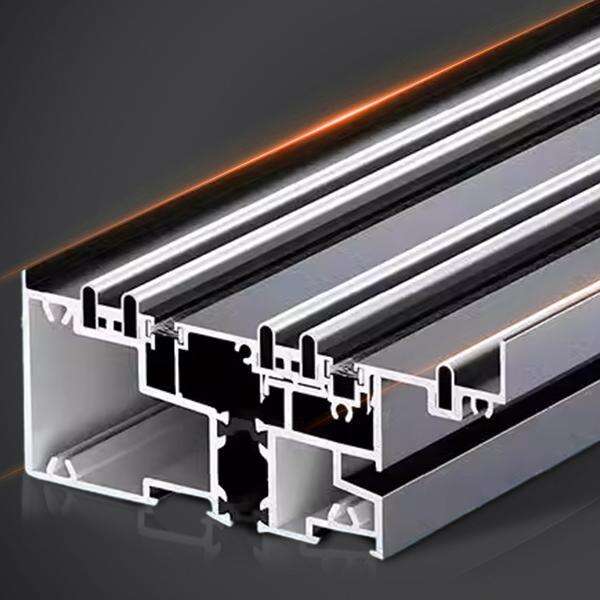
Modern architecture demands solutions that seamlessly blend aesthetics with performance, particularly when designing balcony spaces that serve as crucial transition zones between indoor comfort and outdoor elements. The evolution of building envelope technology has brought sophisticated thermal management systems to the forefront, revolutionizing how we approach balcony construction and renovation projects. Today's discerning property developers and homeowners increasingly recognize that effective thermal bridging solutions not only enhance energy efficiency but also significantly impact long-term building performance and occupant comfort.

Contemporary balcony design faces unique challenges that traditional construction methods struggle to address effectively. Temperature differentials between interior and exterior environments create substantial energy transfer through structural connections, leading to condensation issues, reduced HVAC efficiency, and compromised indoor climate control. Professional architects and engineers now prioritize thermal break integration as a fundamental design principle rather than an optional upgrade, recognizing its critical role in meeting stringent building codes and sustainability standards.
Understanding Thermal Bridge Technology in Balcony Applications
Fundamental Principles of Heat Transfer Control
Thermal bridging occurs when conductive materials create pathways for heat transfer between interior and exterior environments, bypassing insulation systems and compromising overall building performance. In balcony construction, structural elements such as concrete slabs, steel reinforcement, and aluminum framing traditionally serve as significant thermal bridges, allowing substantial energy loss during heating seasons and unwanted heat gain during cooling periods. Advanced thermal break systems interrupt these conductive pathways through strategically placed insulating materials and engineered connection details.
The physics underlying thermal break effectiveness relates directly to material conductivity coefficients and geometric thermal bridging calculations. Low-conductivity materials such as polyamide strips, aerogel inserts, and specialized polymer compounds effectively interrupt heat flow while maintaining structural integrity. Modern engineering analysis utilizes finite element modeling to optimize thermal break placement and dimensions, ensuring maximum performance while meeting structural load requirements and building code compliance standards.
Material Selection and Performance Characteristics
Contemporary thermal break systems employ diverse materials engineered specifically for balcony applications, each offering distinct performance advantages and installation considerations. Polyamide-based thermal breaks provide excellent thermal resistance combined with structural strength, making them ideal for aluminum window and door frame applications. These engineered plastics maintain dimensional stability across extreme temperature ranges while resisting moisture absorption and chemical degradation from environmental exposure.
Advanced composite materials incorporate fiber reinforcement to enhance mechanical properties without compromising thermal performance. Glass fiber reinforced polyamide compounds offer superior tensile strength and flexural modulus compared to standard polymer thermal breaks, enabling their use in high-stress applications such as large-span balcony doors and structural glazing systems. Aerogel-enhanced thermal breaks represent cutting-edge technology, providing exceptional insulation performance in minimal thickness profiles suitable for space-constrained installations.
Customization Strategies for Optimal Performance
Project-Specific Design Considerations
Effective balcony thermal break aluminum doors and windows customization requires comprehensive analysis of project-specific conditions including climate zone requirements, building orientation, and architectural design constraints. Regional climate data directly influences thermal break specification, with heating-dominated climates prioritizing maximum thermal resistance while mixed climates requiring balanced performance for both heating and cooling seasons. Building orientation affects solar heat gain patterns, influencing glazing selection and thermal break integration strategies for optimal year-round performance.
Structural loading conditions significantly impact thermal break design and material selection processes. High-rise buildings experience substantial wind loads requiring robust connection details and enhanced structural capacity in thermal break components. Seismic design considerations in earthquake-prone regions mandate specific connection details and material properties to ensure thermal break systems maintain integrity during seismic events while preserving thermal performance characteristics.
Integration with Building Systems
Successful thermal break implementation requires careful coordination with adjacent building systems including waterproofing membranes, vapor barriers, and mechanical ventilation systems. Thermal break continuity must extend through all building envelope penetrations to maintain effectiveness, requiring specialized details at transitions between different materials and systems. Professional installation teams must understand these integration requirements to avoid thermal bridging through improper connections or material incompatibilities.
Modern building automation systems can monitor thermal break performance through embedded sensors that track temperature differentials and energy transfer rates across thermal bridge locations. This data enables predictive maintenance scheduling and performance optimization adjustments, ensuring long-term effectiveness of thermal break investments. Smart building integration allows real-time performance feedback and system optimization based on actual operating conditions rather than theoretical design assumptions.
Installation and Quality Assurance Protocols
Professional Installation Requirements
Thermal break installation demands specialized expertise and precision fabrication techniques to achieve specified performance levels and maintain long-term effectiveness. Certified installation professionals must understand material handling requirements, joint preparation procedures, and quality control checkpoints throughout the installation process. Proper surface preparation ensures optimal adhesion and sealing performance, while precise dimensional control maintains structural integrity and thermal continuity across all connection points.
Temperature and humidity conditions during installation significantly affect thermal break material performance and adhesive curing processes. Installation scheduling must account for environmental conditions to ensure optimal material properties and long-term durability. Professional contractors utilize specialized tools and measurement equipment to verify thermal break placement accuracy and joint quality throughout the installation process.
Performance Testing and Verification
Comprehensive testing protocols ensure thermal break systems meet design specifications and performance standards before project completion. Infrared thermography provides visual confirmation of thermal break effectiveness by identifying temperature patterns across building envelope assemblies. This non-destructive testing method reveals thermal bridging locations and installation defects that could compromise overall system performance.
Laboratory testing of thermal break assemblies under controlled conditions validates performance predictions and material specifications. Standard test methods measure thermal transmittance, structural capacity, and durability characteristics under simulated service conditions. Third-party testing certification provides independent verification of thermal break performance claims and supports building code compliance documentation requirements.
Economic Benefits and Return on Investment
Energy Cost Reduction Analysis
Thermal break systems deliver quantifiable energy cost savings through reduced heating and cooling loads, with payback periods typically ranging from five to ten years depending on climate conditions and energy costs. Detailed energy modeling demonstrates annual energy consumption reductions of fifteen to thirty percent in balcony thermal break aluminum doors and windows customization projects compared to conventional construction methods. These savings compound over building lifecycle periods, providing substantial long-term economic benefits to building owners and occupants.
Peak demand reduction represents an additional economic benefit as thermal break systems minimize HVAC system cycling and reduce maximum power consumption during extreme weather conditions. Utility companies increasingly offer rebates and incentives for energy-efficient building envelope improvements, further enhancing project economics and reducing initial investment costs. Professional energy audits can quantify specific savings potential for individual projects, supporting investment decision-making processes.
Property Value Enhancement
Market research demonstrates that properties incorporating advanced thermal break systems command premium values in both residential and commercial real estate markets. Energy-efficient building features appeal to environmentally conscious buyers and tenants who prioritize operating cost savings and indoor comfort quality. Professional appraisers recognize thermal break systems as value-added improvements that enhance property marketability and long-term investment potential.
Building certification programs such as LEED, ENERGY STAR, and Passive House standards award points for effective thermal bridging mitigation, supporting higher certification levels that translate directly into market value premiums. Green building certifications increasingly influence financing terms and insurance rates, providing additional economic incentives for thermal break system implementation in balcony design projects.
FAQ
What maintenance requirements apply to thermal break systems in balcony applications?
Thermal break systems require minimal maintenance when properly installed and protected from environmental exposure. Annual visual inspections should check for signs of material degradation, joint separation, or moisture intrusion that could compromise performance. Professional maintenance contracts can include infrared thermography scans every three to five years to verify continued thermal effectiveness and identify potential issues before they impact building performance.
How do thermal breaks affect structural capacity in balcony construction?
Modern thermal break materials are engineered to maintain structural load transfer capacity while providing thermal resistance. Structural analysis considers thermal break properties in connection design calculations to ensure adequate safety factors and code compliance. High-performance thermal break materials can actually enhance structural durability by reducing thermal stress cycles that contribute to material fatigue over building lifecycle periods.
Can thermal break systems be retrofitted into existing balcony structures?
Retrofit applications are possible but require careful structural analysis and may involve significant construction modifications depending on existing conditions. Professional assessment can identify optimal retrofit strategies that balance performance improvement with project costs and construction complexity. Some retrofit solutions focus on window and door replacement with thermally broken frames while others involve more extensive structural modifications to interrupt existing thermal bridges.
What building code requirements govern thermal break installation?
Building codes increasingly incorporate thermal bridging requirements through energy conservation standards and prescriptive insulation requirements. Local jurisdictions may have specific requirements for thermal break installation details and performance verification testing. Professional designers must coordinate thermal break specifications with code officials early in the design process to ensure compliance and avoid construction delays or modification requirements.
Table of Contents
- Understanding Thermal Bridge Technology in Balcony Applications
- Customization Strategies for Optimal Performance
- Installation and Quality Assurance Protocols
- Economic Benefits and Return on Investment
-
FAQ
- What maintenance requirements apply to thermal break systems in balcony applications?
- How do thermal breaks affect structural capacity in balcony construction?
- Can thermal break systems be retrofitted into existing balcony structures?
- What building code requirements govern thermal break installation?