
 EN
EN
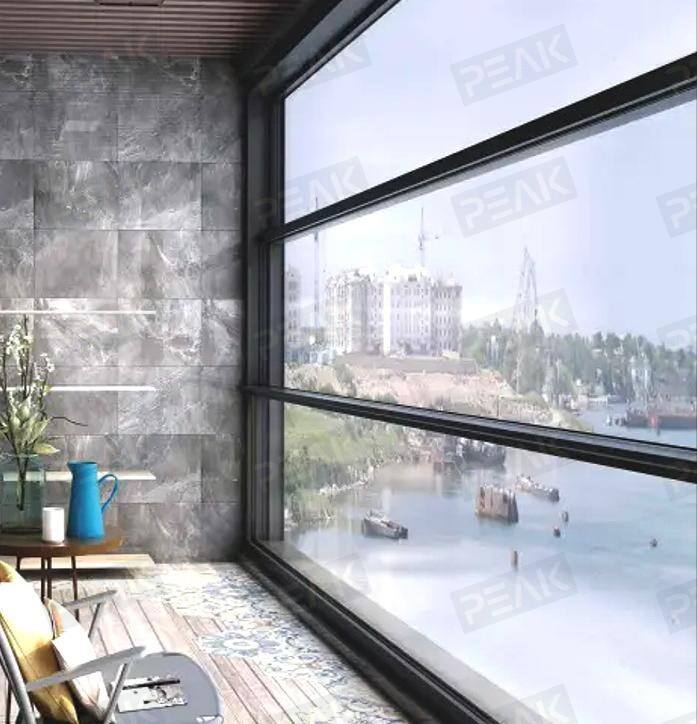
Selecting the right thermal break aluminum doors and windows requires careful consideration of multiple technical and performance factors that directly impact energy efficiency, durability, and long-term value. Modern commercial and residential buildings increasingly demand advanced fenestration solutions that combine superior thermal performance with aesthetic appeal and structural integrity. Understanding the crucial features that distinguish high-quality thermal break aluminum doors and windows from standard alternatives empowers architects, contractors, and building owners to make informed decisions that enhance occupant comfort while reducing operational costs.

The thermal break technology fundamentally transforms traditional aluminum fenestration by interrupting the conductive heat transfer path through the frame profile. This innovative design approach involves inserting polyamide strips or similar low-conductivity materials between inner and outer aluminum sections, creating an effective barrier against thermal bridging. Professional-grade thermal break aluminum doors and windows typically achieve U-values ranging from 1.4 to 2.8 W/m²K, representing significant improvements over conventional aluminum systems that often exceed 5.0 W/m²K in thermal transmission.
Advanced Thermal Break Design Considerations
Multi-Chamber Profile Configuration
The internal geometry of thermal break aluminum doors and windows plays a critical role in overall thermal performance and structural strength. Multi-chamber profile designs incorporate strategically positioned cavities within the aluminum extrusion that trap air and further reduce heat transfer through convection and conduction. Premium systems feature three to five distinct chambers per frame section, with each cavity serving specific functions including thermal insulation, drainage, and structural reinforcement.
Advanced profile configurations also integrate specialized gasket channels and weatherstripping grooves that ensure proper sealing while maintaining long-term durability under thermal cycling and weather exposure. The chamber walls themselves require precise thickness calculations to balance material efficiency with structural performance, particularly in large-span applications where wind loads and seismic forces create significant stress concentrations.
Polyamide Strip Quality and Specifications
The polyamide thermal break strips represent the heart of thermal performance in modern aluminum fenestration systems. High-quality strips utilize glass-fiber reinforced polyamide 6.6 formulations that maintain dimensional stability across temperature ranges from -40°C to +80°C while providing excellent mechanical strength and chemical resistance. The strip width typically ranges from 14mm to 35mm depending on performance requirements, with wider strips generally delivering superior thermal isolation.
Professional specifications should verify that polyamide strips meet or exceed relevant standards including AAMA 501.1 for thermal cycling performance and ASTM E8 for tensile strength testing. The manufacturing process for these strips must ensure consistent density and fiber distribution to prevent thermal bridging through material inconsistencies that could compromise overall window performance over decades of service life.
Glazing System Integration and Performance
Insulated Glass Unit Compatibility
The glazing system represents approximately 75-80% of the total fenestration area in most thermal break aluminum doors and windows, making glass selection and integration critical for achieving target thermal performance levels. Modern systems accommodate insulated glass units ranging from standard double-pane configurations to high-performance triple-pane assemblies with low-emissivity coatings, argon or krypton gas fills, and warm-edge spacer technologies.
Structural glazing capabilities enable larger glass panels with minimal visual interruption from frame members, while maintaining thermal continuity through advanced sealing systems. The glazing pocket depth must accommodate various glass thicknesses while providing adequate thermal expansion clearance and weatherproofing. Premium thermal break aluminum doors and windows feature glazing systems with U-values as low as 0.8 W/m²K when combined with triple-pane low-E glass assemblies.
Edge Sealing and Moisture Control
Effective moisture management within the glazing cavity prevents condensation formation that can compromise visibility and lead to premature seal failure in insulated glass units. Advanced thermal break systems incorporate primary and secondary sealant barriers using structural silicone and butyl rubber formulations that maintain elasticity and adhesion under thermal cycling conditions. The glazing pocket design includes integrated drainage channels with weep holes positioned to evacuate condensation while preventing water infiltration.
Desiccant materials within the insulated glass spacer system absorb residual moisture during manufacturing and continue providing protection throughout the service life. Quality thermal break aluminum doors and windows specify molecular sieve desiccants with moisture absorption capacities exceeding 20% by weight, ensuring long-term clarity and thermal performance of the glazing system.
Hardware and Operation Mechanisms
Multi-Point Locking Systems
Security and sealing performance in thermal break aluminum doors and windows depends heavily on the design and implementation of locking hardware that engages multiple points around the frame perimeter. European-style multi-point locking mechanisms typically feature three to seven locking points that distribute closure forces evenly while compressing weatherstripping for optimal air and water infiltration resistance.
The locking hardware must maintain smooth operation through thousands of cycles while withstanding corrosion from environmental exposure and cleaning chemicals. Stainless steel components and specialized corrosion-resistant coatings protect critical moving parts, while precision-machined tolerances ensure consistent engagement and sealing compression over the product lifecycle.
Hinge and Pivot System Engineering
The mechanical systems that enable operation of thermal break aluminum doors and windows require careful engineering to balance smooth functionality with structural integrity and thermal performance. Heavy-duty hinges accommodate the increased weight of multi-pane glazing systems while maintaining precise alignment that prevents air leakage through misaligned sealing surfaces.
Ball bearing hinge mechanisms reduce operating forces and extend service life, particularly in commercial applications with frequent operation cycles. Integrated adjustment capabilities allow for fine-tuning of door and window positioning during installation and periodic maintenance, ensuring optimal sealing performance throughout the building lifecycle.
Weatherproofing and Environmental Resistance
Advanced Sealing Technology
The weatherproofing performance of thermal break aluminum doors and windows relies on sophisticated sealing systems that prevent air, water, and moisture infiltration while accommodating thermal movement and structural deflections. Primary sealing typically employs EPDM rubber gaskets with shore hardness values optimized for compression and recovery characteristics under varying temperature conditions.
Secondary sealing systems provide backup protection through structural glazing compounds or compression seals that maintain effectiveness even if primary seals experience temporary displacement. The sealing geometry must account for differential thermal expansion between aluminum frame components and glazing materials, incorporating expansion joints and flexible connections that prevent stress concentrations.
Corrosion Protection and Surface Treatments
Long-term durability of thermal break aluminum doors and windows depends on comprehensive corrosion protection strategies that address both atmospheric exposure and galvanic corrosion potential from dissimilar metals in hardware and fastening systems. Anodizing treatments provide excellent corrosion resistance while offering aesthetic flexibility through various color and texture options.
Powder coating applications deliver superior durability and color retention compared to liquid paint systems, with properly cured coatings achieving adhesion strengths exceeding 2000 psi in cross-hatch testing. The coating thickness must balance corrosion protection with thermal expansion considerations, typically ranging from 60 to 80 microns for optimal long-term performance in challenging environmental conditions.
Structural Performance and Testing Standards
Wind Load and Seismic Resistance
The structural design of thermal break aluminum doors and windows must accommodate significant wind loads and seismic forces while maintaining thermal performance and operational functionality. Frame sections require precise moment of inertia calculations to resist deflection under design loads, with maximum allowable deflection typically limited to L/175 for aesthetic considerations and L/240 for operational requirements.
Seismic design considerations include drift accommodation capabilities that allow building movement without compromising the fenestration system integrity. Flexible mounting systems and engineered clearances prevent binding and seal damage during seismic events while maintaining weatherproofing performance throughout the design earthquake scenario.
Performance Testing and Certification
Comprehensive testing protocols verify the performance claims of thermal break aluminum doors and windows across multiple criteria including thermal transmission, air infiltration, water penetration, and structural adequacy. NFRC certification provides standardized thermal performance ratings that enable accurate energy modeling and code compliance verification.
Water penetration testing following ASTM E331 standards subjects fenestration assemblies to calibrated spray rates and pressure differentials that simulate severe weather conditions. Air infiltration testing per ASTM E283 measures leakage rates at specified pressure differentials, with premium systems achieving infiltration rates below 0.06 cfm per square foot at 25 pascals pressure differential.
Installation Considerations and Best Practices
Thermal Bridge Elimination
Proper installation techniques for thermal break aluminum doors and windows require careful attention to eliminating thermal bridges at the interface between fenestration systems and building envelope components. Structural mounting methods must incorporate thermal breaks or low-conductivity materials that prevent direct metal-to-metal contact between frame components and structural steel or concrete elements.
Insulation placement around frame perimeters requires precise detailing to ensure continuous thermal barriers without compression that reduces insulation effectiveness. Vapor barrier continuity must be maintained while accommodating necessary penetrations for mounting hardware and drainage systems that prevent moisture accumulation within wall assemblies.
Quality Assurance and Field Testing
Field verification of thermal break aluminum doors and windows installation quality involves multiple inspection checkpoints that confirm proper sealing, alignment, and operational performance. Thermal imaging surveys can identify thermal bridges or air leakage paths that compromise energy efficiency, while blower door testing quantifies overall building envelope performance including fenestration contributions.
Water testing procedures verify proper installation of weatherproofing systems under simulated wind-driven rain conditions. These field tests often reveal installation defects that laboratory testing cannot identify, making comprehensive quality assurance protocols essential for achieving design performance levels in completed buildings.
FAQ
What thermal performance improvements can be expected from thermal break aluminum doors and windows compared to standard aluminum systems
Thermal break aluminum doors and windows typically provide 60-80% improvement in thermal performance compared to standard aluminum systems. While conventional aluminum fenestration often exhibits U-values of 5.0-7.0 W/m²K, thermal break systems achieve U-values ranging from 1.4-2.8 W/m²K depending on glazing configuration and frame design. This dramatic improvement translates to significant energy cost reductions and enhanced occupant comfort through reduced interior surface condensation and more uniform temperature distribution.
How do polyamide thermal break strips maintain structural integrity while providing thermal insulation
Polyamide thermal break strips utilize glass-fiber reinforcement that provides tensile strengths comparable to aluminum while maintaining thermal conductivity values 1000 times lower than metal. The mechanical connection between polyamide strips and aluminum frame sections employs precision-engineered interlocking geometries that transfer structural loads through mechanical engagement rather than adhesive bonding. This design approach ensures reliable load transfer for wind and seismic forces while completely interrupting the thermal conduction path through the frame assembly.
What maintenance requirements are specific to thermal break aluminum doors and windows systems
Thermal break aluminum doors and windows require minimal specialized maintenance beyond standard fenestration care, but attention to sealing systems and drainage channels proves critical for long-term performance. Annual inspection of weatherstripping condition and replacement of worn gaskets maintains air and water infiltration resistance. Drainage channel cleaning prevents water accumulation that could compromise thermal break materials, while lubrication of multi-point locking mechanisms ensures smooth operation and proper sealing compression throughout the service life.
How do building codes and energy standards address thermal break aluminum doors and windows performance requirements
Modern building energy codes increasingly specify maximum U-value requirements that necessitate thermal break technology in aluminum fenestration applications. IECC and ASHRAE 90.1 standards establish performance thresholds that conventional aluminum systems cannot meet, particularly in climate zones with significant heating or cooling loads. Compliance documentation requires NFRC certification labels that verify thermal performance ratings, while some jurisdictions mandate whole-building energy modeling that demonstrates code compliance through comprehensive envelope performance analysis including fenestration contributions.
Table of Contents
- Advanced Thermal Break Design Considerations
- Glazing System Integration and Performance
- Hardware and Operation Mechanisms
- Weatherproofing and Environmental Resistance
- Structural Performance and Testing Standards
- Installation Considerations and Best Practices
-
FAQ
- What thermal performance improvements can be expected from thermal break aluminum doors and windows compared to standard aluminum systems
- How do polyamide thermal break strips maintain structural integrity while providing thermal insulation
- What maintenance requirements are specific to thermal break aluminum doors and windows systems
- How do building codes and energy standards address thermal break aluminum doors and windows performance requirements