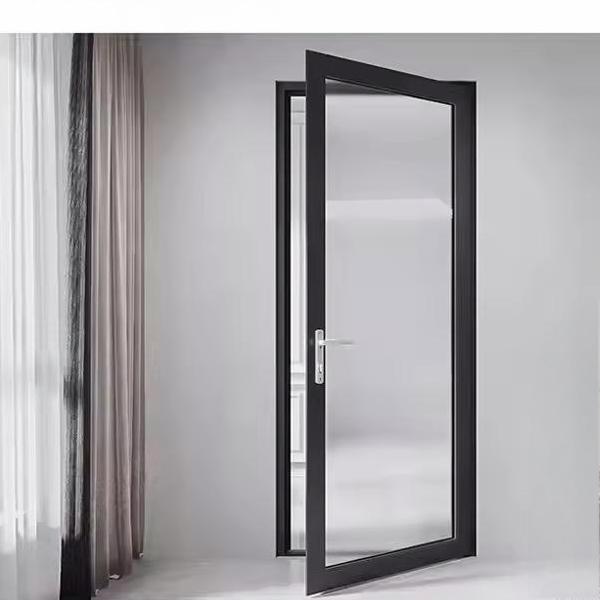
Understanding Modern Architectural Door Solutions The evolution of architectural design has brought forth innovative solutions that combine aesthetics with functionality. Among these advancements, copper-painted thermal break aluminum doors and windo...
VIEW MORE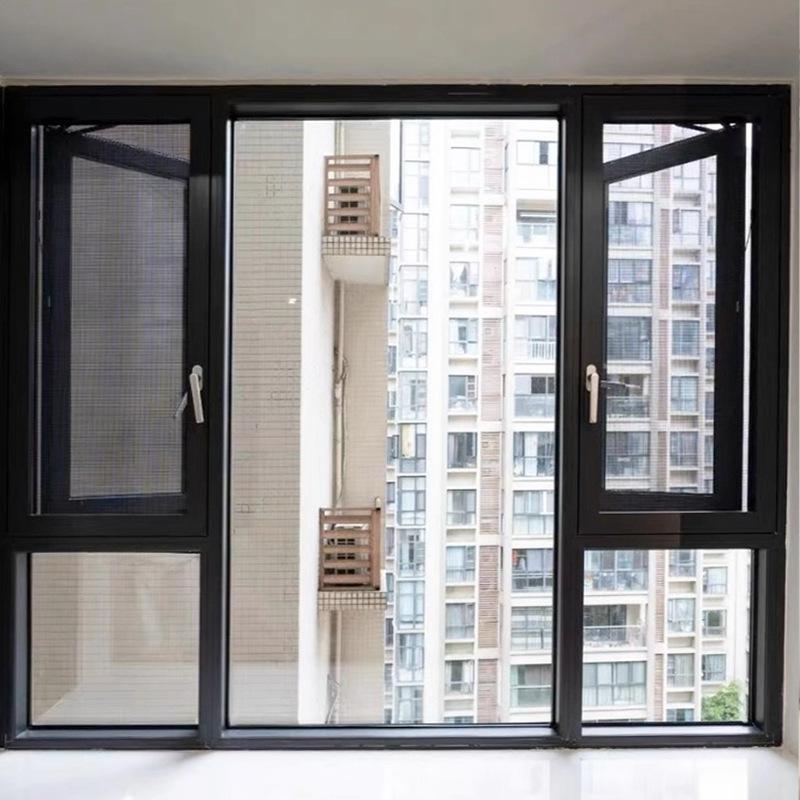
Transform Your Villa's Entrance with Modern Elegance The entryway of your villa sets the first impression and defines the character of your home. In recent years, villa thermal break aluminum doors and windows have revolutionized the way we think abo...
VIEW MORE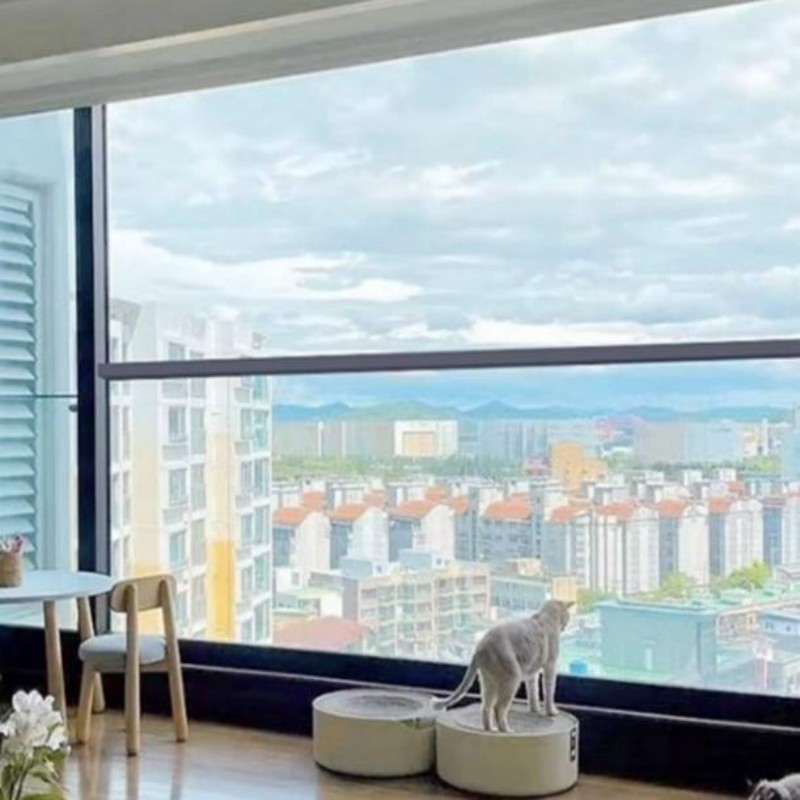
High-End Smart Lift Window: Transform Your Space with Modern Elegance Introduction to the Modern Evolution of Windows Windows have long been considered essential architectural elements, bridging the gap between indoors and outdoors by allowing light,...
VIEW MORE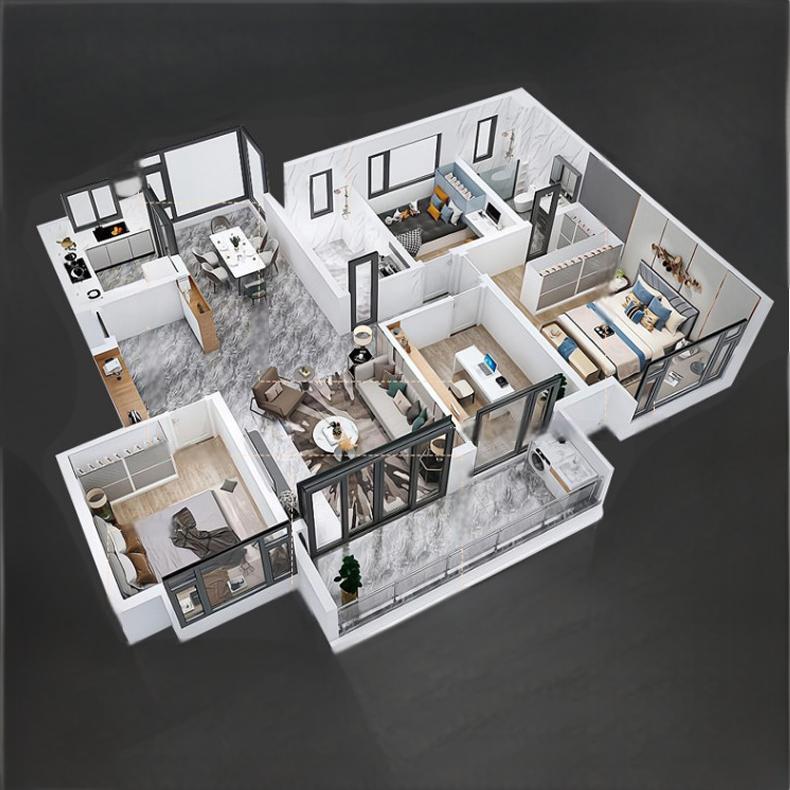
High-End Smart Lift Window: Enhancing Aesthetics and Functionality Introduction to the Evolution of Windows Windows have always been an integral part of architecture, serving the dual purpose of functionality and design. Beyond being mere openings fo...
VIEW MORE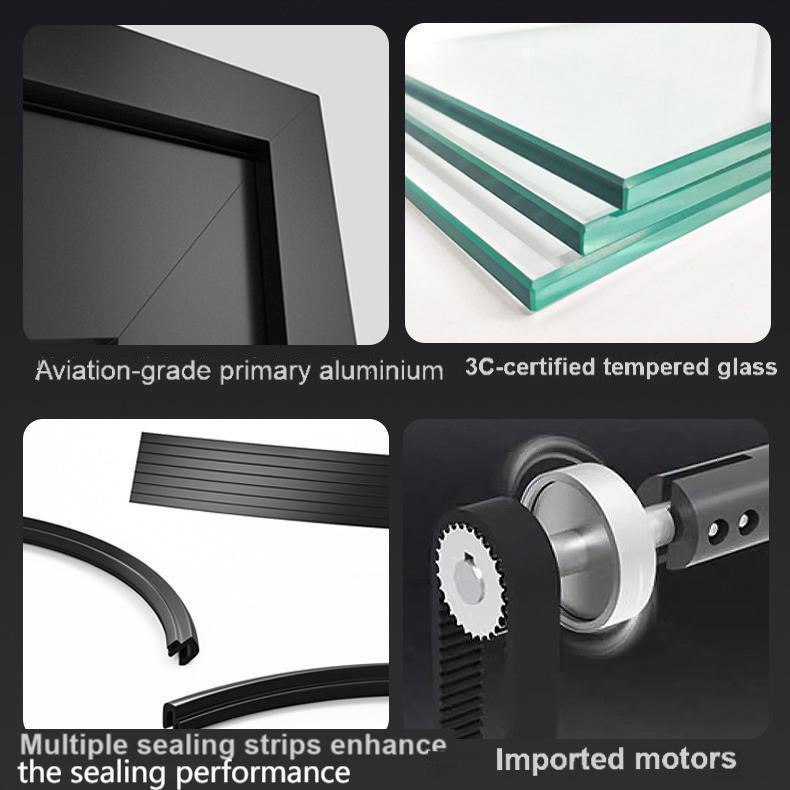
The Future of Windows: High-End Smart Lift Window Technology Introduction to the Evolution of Windows Windows have always been more than just architectural openings to allow light and air into a building. They shape the aesthetics of homes and commer...
VIEW MORE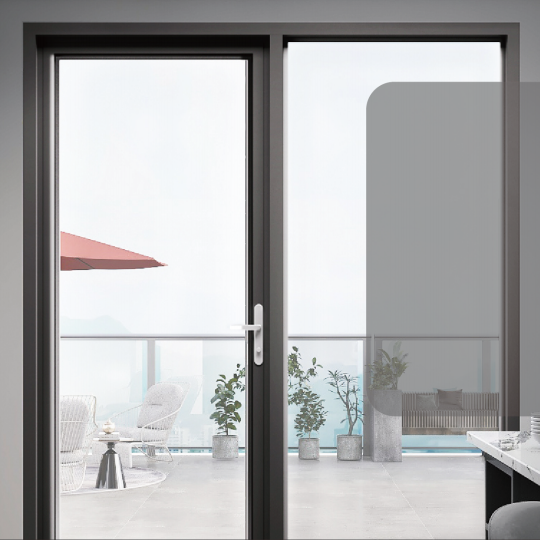
Entrance Door Manufacturer: A Guide to Custom Door Solutions Introduction to Entrance Doors An Entrance Door is more than a functional entry point; it serves as the first impression of your home, an essential element of security, and an expression of...
VIEW MORE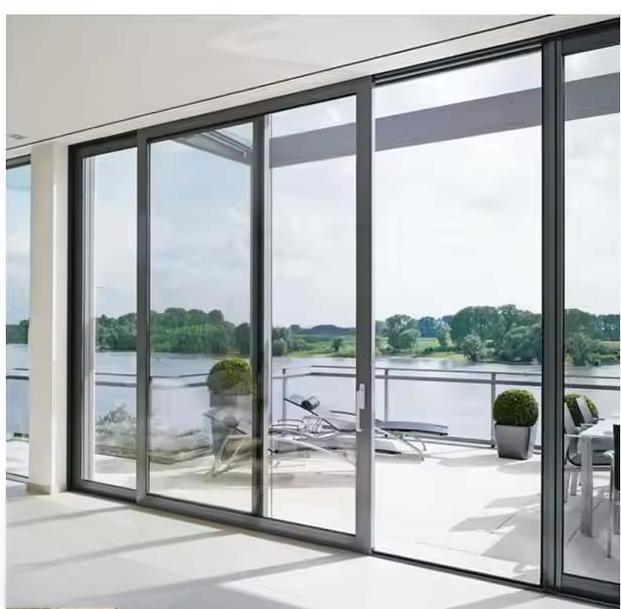
Entrance Door Manufacturer: How to Select the Best for Your Home Introduction to Entrance Doors An Entrance Door is more than just a barrier that separates the indoors from the outdoors. It is the first impression of your home, an architectural focal...
VIEW MORE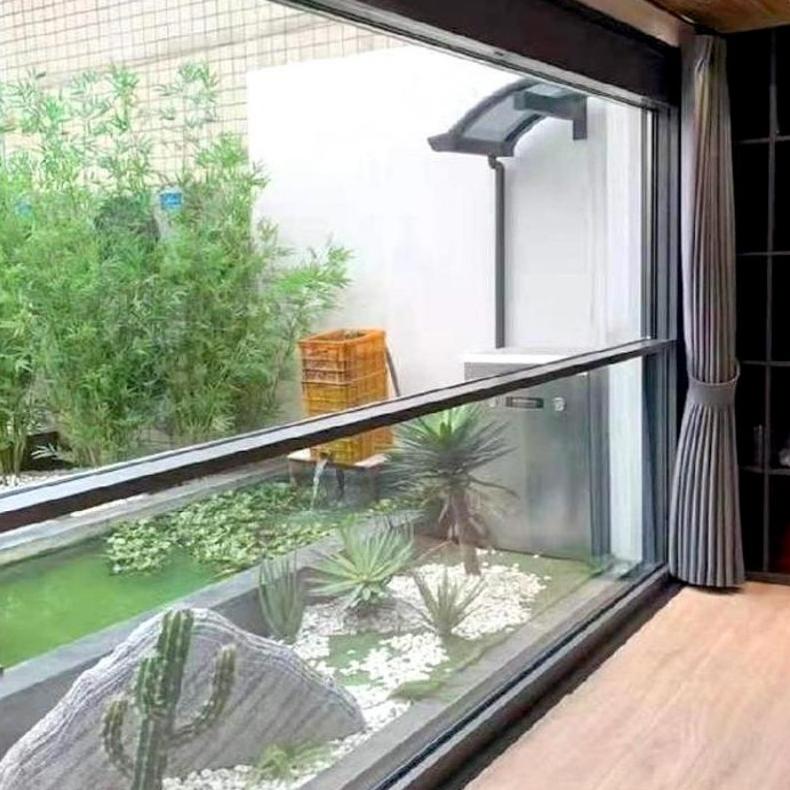
What Are Smart Lift Windows? Defining Modern Motorized Window Systems Smart lift windows represent something pretty cool for motorized building tech these days. Basically what makes them work are those electric motors inside that let people control...
VIEW MORE
Why Customization Matters for Sunroom Comfort Balancing Light Control and Thermal Performance Getting the right amount of customization in sunrooms really matters for keeping things comfortable and just right, especially when dealing with how much ...
VIEW MORE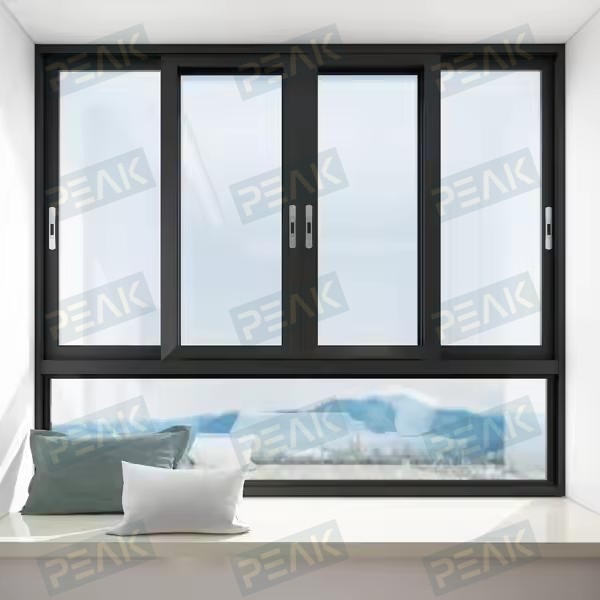
How Thermal Break Technology Enhances Heat Insulation The Science Behind Thermal Break Aluminum Frames Thermal break tech represents a smart way to tackle heat transfer issues in aluminum frames by inserting insulating materials right where they're...
VIEW MORE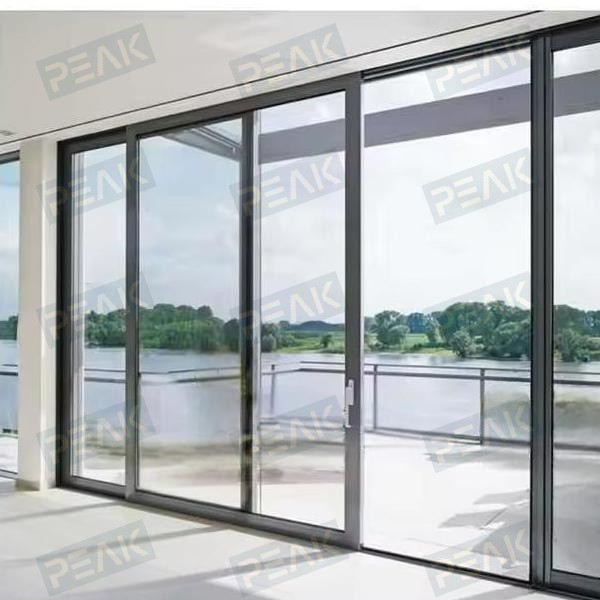
Modern Advantages of Thermal Break Aluminum Windows Unmatched Energy Efficiency Thermal break aluminum windows at the higher end of the market stand out because they save so much energy. The technology behind them cuts down on how much heat moves t...
VIEW MORE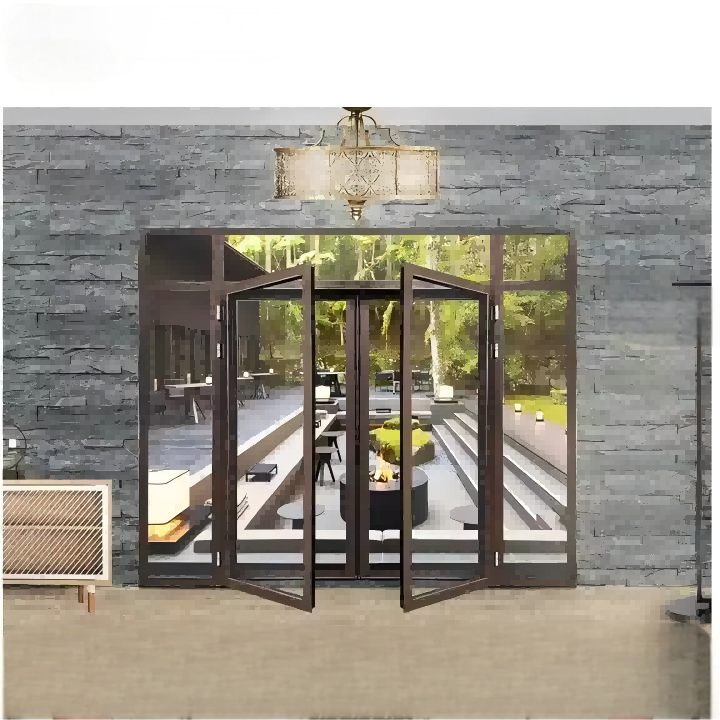
The Rise of High-End Entrance Door Designs Architectural Impact of Premium Entryways The front door really matters when it comes to how people perceive a property. After all, it's what greets visitors first and gives clues about what lies inside. S...
VIEW MORE
Shanghai PEAK Smart Home Co., Ltd. located in Fengxian District, Shanghai, our company is a service provider specializing in the design, production, sales, and after-sales services of doors and windows.
Room 402, Building 9, 1598 Fugang Road, Fengxian District, Shanghai, China
Copyright © 2026 Shanghai PEAK Smart Home Co., Ltd. All right Privacy Policy
 EN
EN