advanced windproof & waterproof thermal break aluminum doors and windows
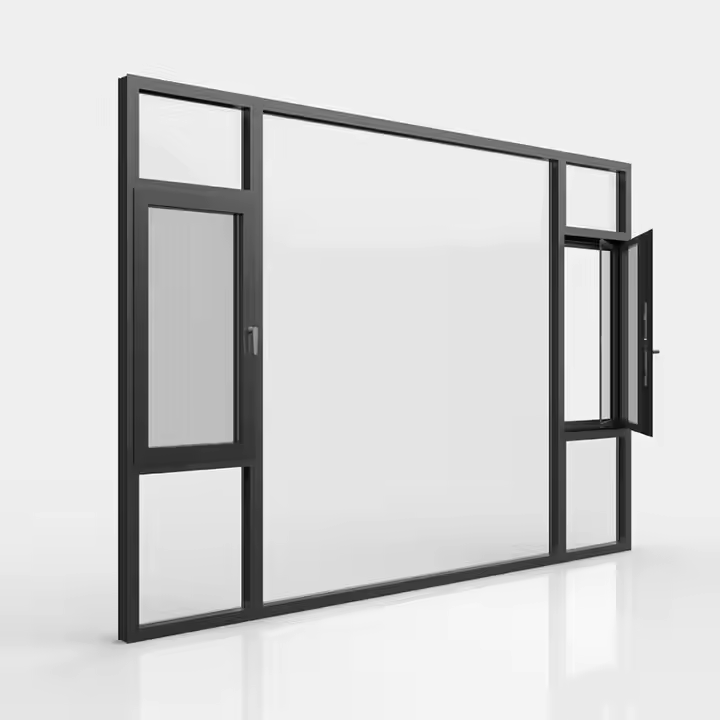
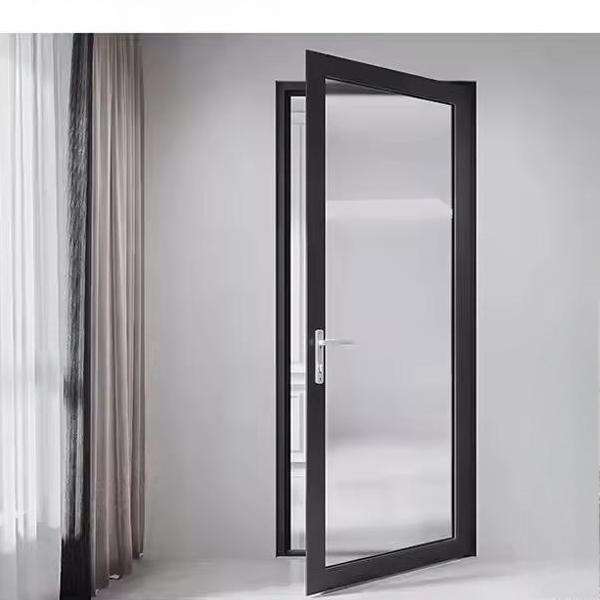
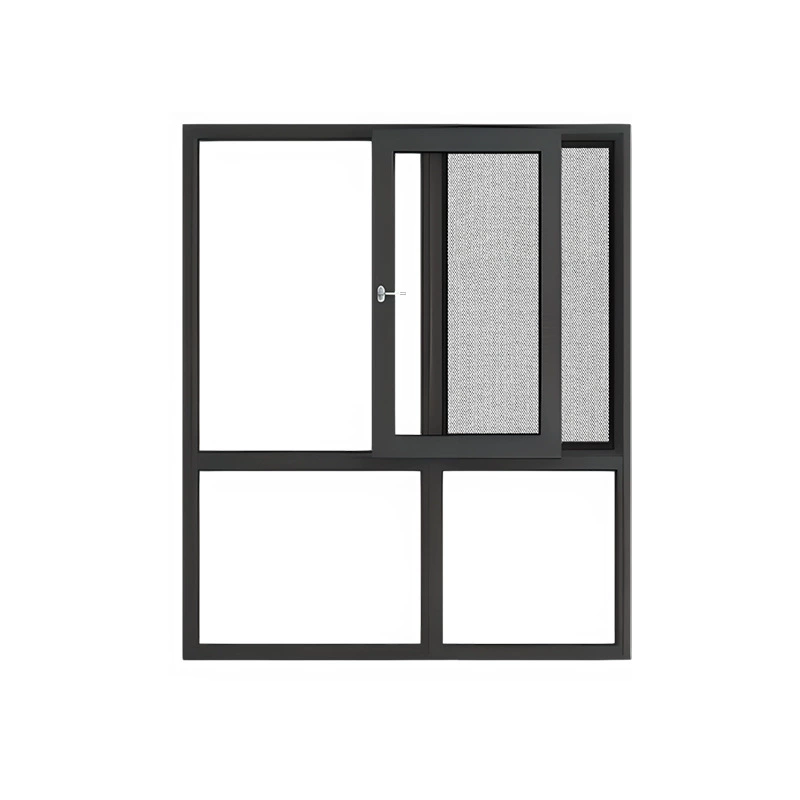
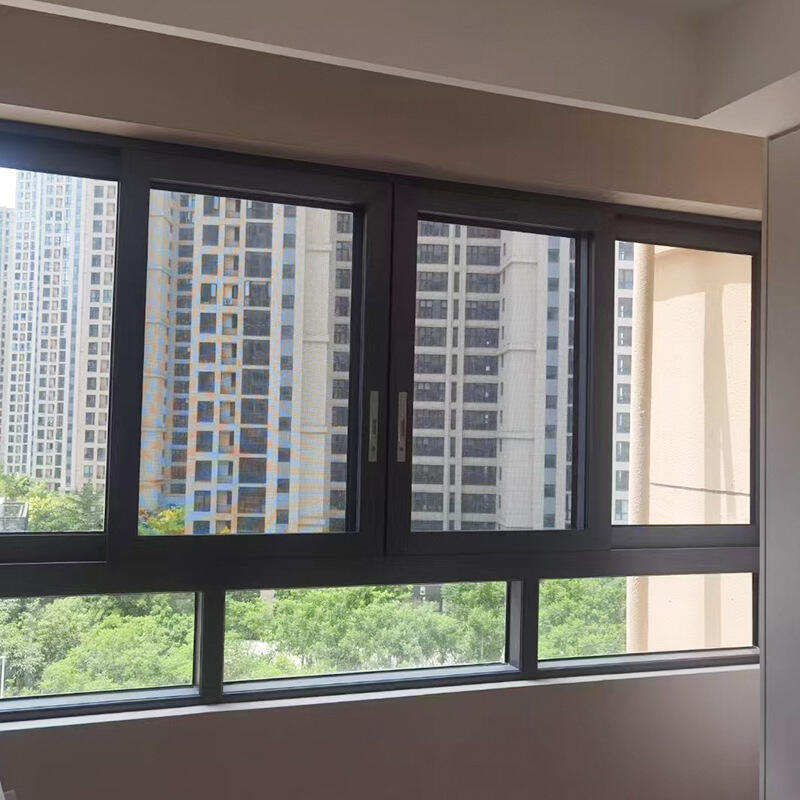
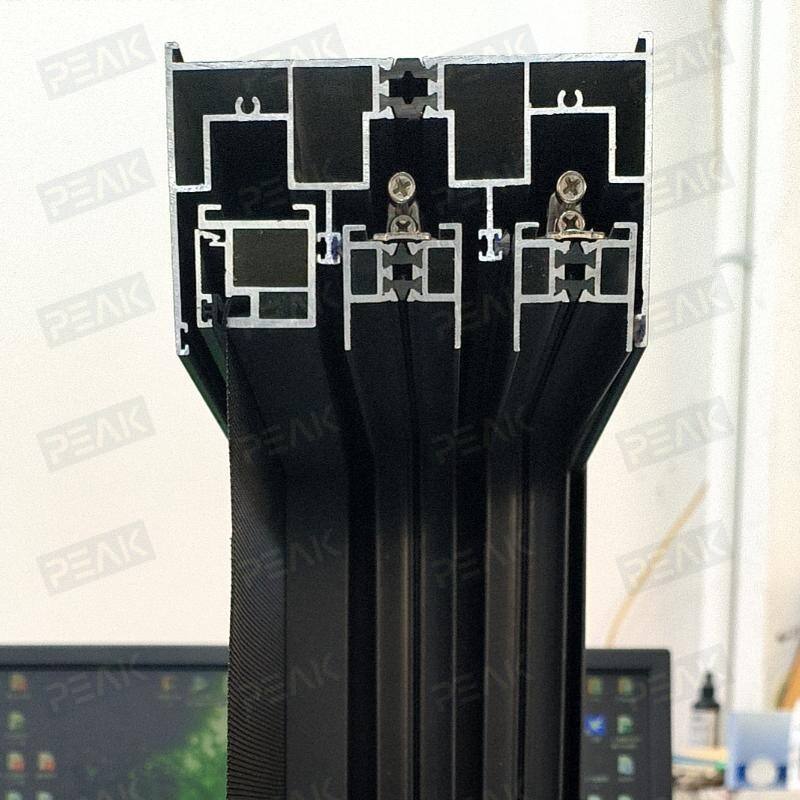
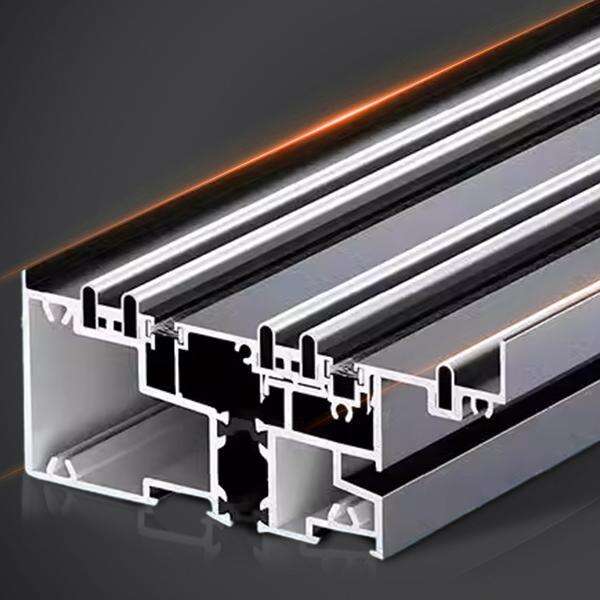
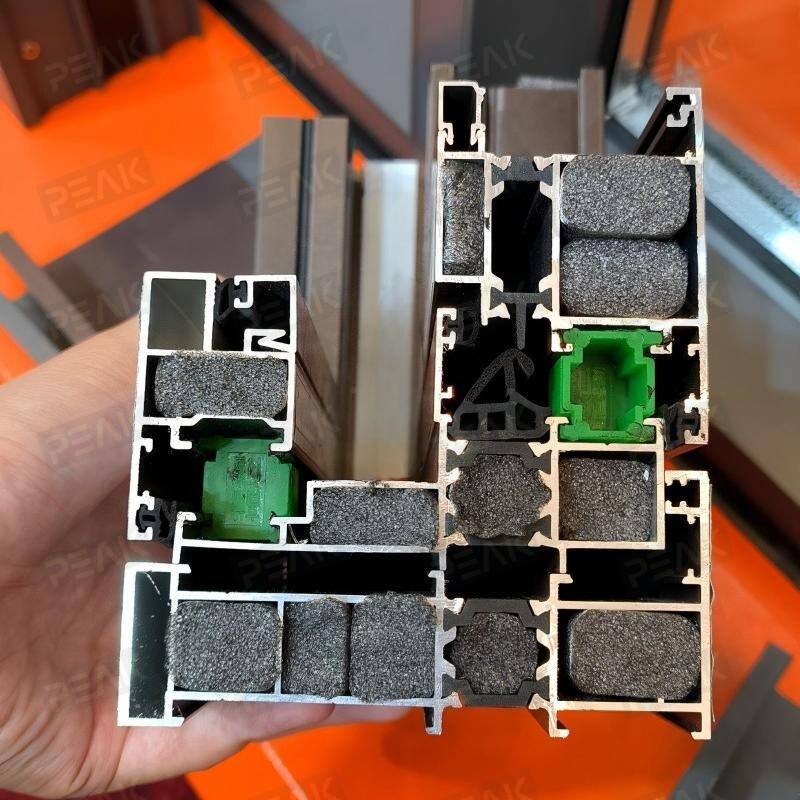
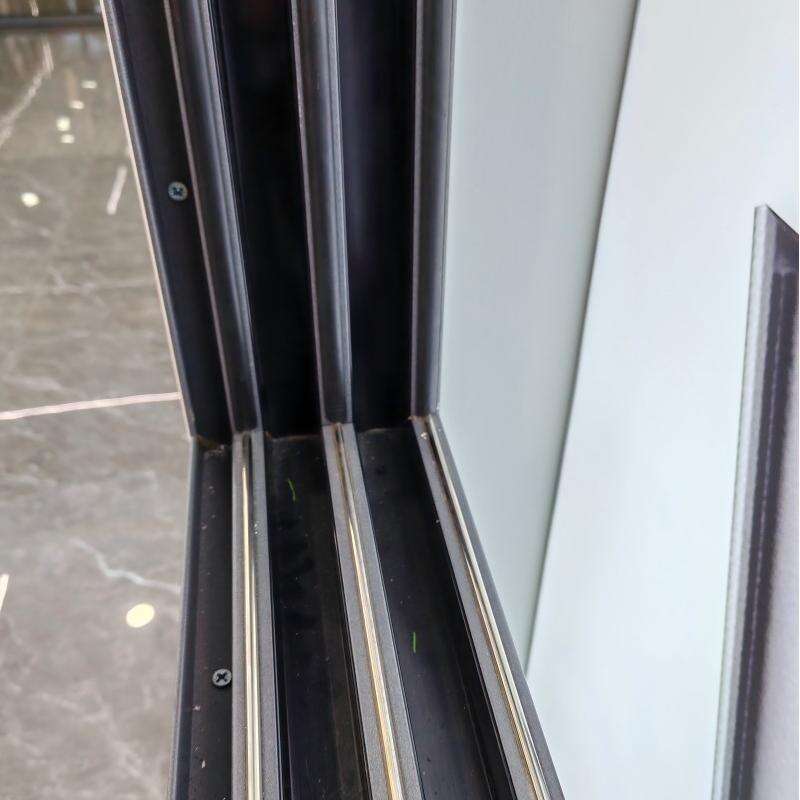
Advanced windproof & waterproof thermal break aluminum doors and windows represent the pinnacle of modern architectural engineering, combining cutting-edge materials science with innovative design principles to deliver exceptional performance across multiple environmental challenges. These sophisticated systems feature aluminum frames enhanced with thermal break technology, creating an effective barrier against heat transfer while maintaining structural integrity and aesthetic appeal. The thermal break component consists of insulating materials strategically positioned within the aluminum frame structure, effectively interrupting the conductive path that would otherwise allow thermal energy to transfer between interior and exterior environments. This technology transforms traditional aluminum frames into high-performance building envelope components that meet stringent energy efficiency requirements. The windproof characteristics are achieved through precision-engineered gasket systems, multi-point locking mechanisms, and advanced sealing technologies that create airtight barriers capable of withstanding extreme weather conditions. Multiple compression seals work in tandem to prevent air infiltration, while specialized weatherstripping materials maintain their elasticity and sealing properties across wide temperature ranges. Waterproof functionality incorporates sophisticated drainage systems with integrated weep holes, sloped sill designs, and multi-stage water management approaches that effectively channel moisture away from critical areas. The aluminum construction provides exceptional durability, corrosion resistance, and dimensional stability, making these systems suitable for coastal environments, industrial settings, and areas with extreme temperature variations. Manufacturing processes utilize powder coating, anodizing, or specialized paint systems that enhance weather resistance while offering extensive color and finish options. Installation techniques focus on proper thermal bridging elimination, ensuring continuous insulation performance throughout the building envelope. Applications span residential construction, commercial buildings, institutional facilities, and specialized architectural projects where superior environmental protection is essential. Quality control measures during production ensure consistent performance characteristics, while testing protocols verify compliance with international standards for air infiltration, water penetration, and structural wind load resistance.

 EN
EN