Remote Management and Instant Access Control Updates
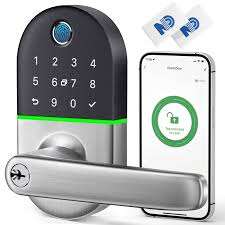
Perhaps the most transformative advantage of a commercial smart lock system is the ability to manage access permissions remotely from any internet-connected device, fundamentally changing how businesses respond to security needs and operational changes. Traditional lock systems trap administrators in reactive modes where addressing access issues requires physical presence at each door, whether distributing new keys, collecting returned keys from departing employees, or responding to lockouts. A commercial smart lock liberates administrators from these constraints through cloud-based management platforms accessible via computer browsers or smartphone applications from anywhere in the world. This remote capability proves especially valuable during the common scenario of an employee departure, whether voluntary resignation, termination, or retirement. The moment someone leaves the organization, their access credentials can be deactivated across all connected doors simultaneously, eliminating the security window where a disgruntled former employee might misuse their access. There is no waiting for returned keys, no uncertainty about whether copies were made, and no expense for rekeying locks as a precautionary measure. The same instant adjustment capability applies when onboarding new employees, as access permissions can be configured and activated before their first day, ensuring they can enter the building independently without requiring escort or temporary arrangements. For businesses with fluid organizational structures, consultants, vendors, or flexible workforces, the ability to grant time-limited access becomes a operational game-changer. A cleaning crew can receive access codes that only work during their scheduled evening hours, automatically becoming invalid outside that window without requiring any follow-up action. Contractors working on a project can receive credentials that expire on the anticipated completion date, with simple extensions if the project timeline changes. This granular time-based control extends to creating different access schedules for different employees, ensuring that part-time workers can only enter during their shifts while full-time staff enjoy unrestricted access, all managed through software rather than purchasing different physical keys. Emergency situations highlight the critical value of remote control capabilities inherent in a commercial smart lock system. If a security threat emerges, administrators can instantly lock down entire facilities from wherever they happen to be, preventing unauthorized entry until the situation resolves. Conversely, if authorized personnel need emergency access outside normal hours, remote unlocking eliminates delays while maintaining security through authenticated identity verification and detailed logging of the exception. The ability to manage multiple locations from a unified dashboard transforms operations for businesses with distributed facilities, franchises, or branch offices. Regional managers can oversee access control across their entire territory without traveling between sites, responding to local needs while maintaining consistent security standards. When headquarters updates security policies, those changes can be deployed instantly to every location simultaneously rather than requiring individual site visits and manual reconfigurations. The commercial smart lock system also facilitates sophisticated access hierarchies where different administrators have different levels of control, allowing local managers to handle routine permissions while restricting sensitive functions to senior security personnel. Software updates and security patches can be deployed remotely, ensuring that all connected locks maintain current protection against emerging threats without requiring technician visits to each device. This remote management capability reduces the total cost of ownership for a commercial smart lock system by minimizing the labor expenses associated with access control administration, eliminating emergency locksmith calls, and extending the useful life of the security infrastructure through ongoing software improvements rather than hardware replacements.
 EN
EN