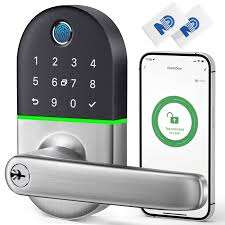
Seamless Integration with Hotel Management Ecosystems
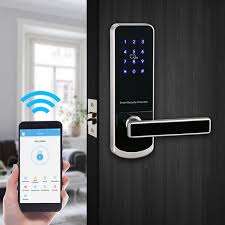
The integration capabilities of electronic locks for hotels transform them from standalone security devices into central components of comprehensive property management ecosystems that streamline operations and enhance guest experiences. Modern electronic locks for hotels communicate bidirectionally with property management systems through various protocols including wired networks, WiFi, Zigbee, and cloud platforms, enabling real-time synchronization of room status, guest assignments, and access permissions. When front desk staff assigns a room during check-in, the property management system automatically generates appropriate credentials and programs them to the guest's key card or mobile device, eliminating manual encoding steps that slow service and introduce error potential. This automation extends throughout the guest journey where checkout procedures automatically deactivate room access while housekeeping systems receive immediate notification that the room requires servicing. Electronic locks for hotels report room status back to management systems, indicating whether doors are locked, open, or have experienced unusual access patterns, giving housekeeping supervisors real-time visibility into cleaning progress and enabling dynamic task allocation. Integration with energy management systems creates intelligent buildings where electronic locks for hotels trigger climate control adjustments, lighting changes, and power management based on occupancy detection, significantly reducing utility costs without compromising guest comfort. When guests insert their key card or approach with mobile credentials, the room automatically adjusts to preferred temperature settings while activating welcome lighting scenarios. Upon departure, the system enters energy-saving mode, reducing heating, cooling, and electrical consumption in vacant rooms. Revenue management systems benefit from integration as they receive accurate real-time occupancy data that informs pricing algorithms and availability decisions. Electronic locks for hotels can communicate with building automation systems to coordinate elevator access, parking gate controls, and amenity area entry, creating seamless experiences where a single credential provides access to all authorized areas throughout the property. Guest service applications leverage this integration to offer mobile key functionality, allowing travelers to bypass front desks entirely through digital check-in processes that send room credentials directly to smartphones. The systems support API frameworks that enable custom integrations with third-party applications including customer relationship management platforms, accounting systems, and analytics tools. Data flows between electronic locks for hotels and central systems provide valuable operational insights including peak access times, average room occupancy durations, and maintenance requirement patterns that inform strategic planning. Remote management capabilities allow corporate oversight across multiple properties, with centralized dashboards displaying security status, system health, and operational metrics for entire hotel portfolios. These integration capabilities transform electronic locks for hotels from simple access control devices into intelligent nodes within interconnected ecosystems that automate workflows, reduce operational friction, enhance security coordination, and provide data-driven insights that support continuous improvement in guest service delivery and operational efficiency.

 EN
EN