Smart Home Integration Creating Unified Security Ecosystems
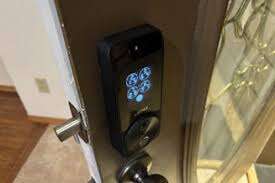
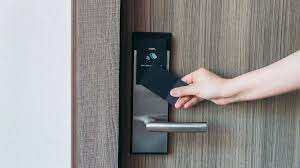
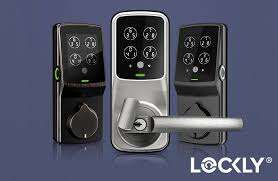
The integration capabilities of electronic home locks with broader smart home systems create powerful security ecosystems that enhance protection while simplifying management through centralized control platforms. This connectivity transforms isolated security devices into coordinated networks that respond intelligently to various conditions and user preferences. When electronic home locks communicate with security cameras, doorbell cameras, and motion sensors, the combined system provides comprehensive situational awareness impossible with standalone devices. Approaching your door triggers the camera to begin recording, the electronic home lock to prepare for authentication, and interior lights to activate, creating welcoming arrivals while documenting all activity. Integration with alarm systems allows coordinated responses where unlocking the electronic home lock automatically disarms security sensors for authorized users, while forced entry attempts trigger immediate alarm activation and emergency notifications. Voice assistant compatibility enables hands-free control through natural language commands, allowing users to check lock status, secure doors remotely, or grant temporary access without touching phones or keypads. The convenience proves particularly valuable when hands are full with groceries, children, or other items making physical interaction with devices impractical. Scene programming creates automated routines where single commands execute multiple actions simultaneously, such as goodnight mode that locks all electronic home locks, arms the security system, adjusts thermostats, and turns off unnecessary lights. Departure routines ensure properties are properly secured when leaving, checking that all electronic home locks are engaged while activating security protocols. Geofencing technology uses smartphone location data to trigger automatic actions based on physical proximity, unlocking doors as authorized users arrive home while locking and arming systems when everyone departs. This automation eliminates the mental burden of remembering security steps while ensuring consistent protection. Integration with home automation platforms allows electronic home locks to participate in complex conditional logic, such as denying access during specific hours, requiring secondary authentication for nighttime entries, or alerting homeowners when unusual access patterns occur. The data sharing between integrated devices enables sophisticated security analytics, identifying patterns that might indicate security concerns or opportunities for improved efficiency. Energy management benefits emerge through coordination with HVAC systems, where electronic home locks signal occupancy changes that trigger appropriate heating or cooling adjustments, optimizing comfort while reducing energy waste. The unified control interfaces provided by smart home platforms consolidate management of electronic home locks alongside other connected devices, eliminating the need to navigate multiple separate applications. Cloud connectivity ensures settings, user permissions, and access logs synchronize across devices, allowing management from smartphones, tablets, or computers regardless of location. The scalability of integrated systems accommodates growing smart home ecosystems, where additional electronic home locks, sensors, or security devices seamlessly join existing networks without complicated configuration processes.

 EN
EN