Electronic Hotel Door Locks - Advanced Security and Smart Access Control Systems

All Categories

electronic hotel door locks

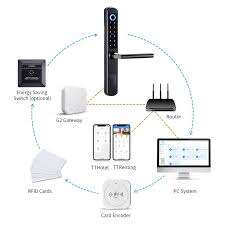
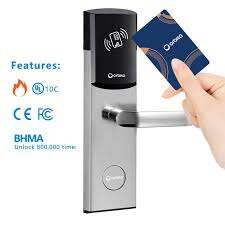
Electronic hotel door locks represent a revolutionary advancement in hospitality security and guest management systems. These sophisticated access control devices have transformed how hotels operate, replacing traditional mechanical key systems with smart, programmable technology that enhances both security and operational efficiency. Modern electronic hotel door locks utilize various technologies including RFID cards, magnetic stripe readers, Bluetooth connectivity, and mobile app integration to grant authorized access to guest rooms. The main functions of electronic hotel door locks extend far beyond simple entry control. They provide comprehensive audit trails that record every access attempt, enabling property managers to monitor activity and investigate incidents when necessary. These systems integrate seamlessly with property management software, allowing front desk staff to program room assignments, set access periods, and manage guest privileges instantly. Electronic hotel door locks also support multiple credential types, accommodating staff access, housekeeping schedules, and emergency override functions. Technological features include encrypted communication protocols that prevent unauthorized duplication, low-battery indicators that alert maintenance teams before power failure occurs, and tamper alerts that notify security personnel of forced entry attempts. Many contemporary systems incorporate wireless connectivity, enabling real-time monitoring and remote management capabilities. The applications of electronic hotel door locks span various hospitality segments, from boutique hotels and large resort chains to vacation rentals and serviced apartments. They serve equally well in conference centers, dormitories, and multi-tenant residential buildings where secure, flexible access control is essential. The versatility of electronic hotel door locks makes them indispensable tools for modern property management, combining convenience with robust security measures that protect both guests and property owners while streamlining daily operations and reducing administrative overhead associated with traditional key management systems.

New Products

The advantages of electronic hotel door locks deliver substantial practical benefits that directly impact guest satisfaction and operational success. Property owners who install these systems immediately eliminate the costly problems associated with lost keys. Traditional metal keys require expensive lock replacements when guests fail to return them, but electronic hotel door locks use reprogrammable cards or digital credentials that can be instantly deactivated at no additional cost. This single feature saves hotels thousands of dollars annually in lock replacement expenses and labor costs. Guest convenience improves dramatically with electronic hotel door locks. Visitors no longer worry about carrying bulky key tags or remembering to return keys before checkout. The cards fit easily in wallets, and mobile-enabled systems allow guests to use their smartphones for room access, creating a seamless, modern experience that meets contemporary traveler expectations. This convenience translates into positive reviews and repeat bookings, directly affecting revenue. Security reaches unprecedented levels with electronic hotel door locks. Each access attempt creates a permanent record showing exactly who entered the room and when. This accountability deters theft, resolves disputes, and provides valuable evidence if incidents occur. Hotels can immediately revoke access for terminated employees or departed guests, eliminating the security vulnerabilities inherent in mechanical key systems where former keyholders might retain unauthorized access. Staff efficiency increases significantly because electronic hotel door locks integrate with property management systems. Front desk personnel program new room assignments in seconds rather than managing physical key inventories. Housekeeping supervisors monitor cleaning progress by tracking which rooms staff members have accessed. Maintenance teams receive automatic notifications about lock malfunctions or low batteries, enabling proactive repairs before guests experience problems. Energy management capabilities built into many electronic hotel door locks contribute to sustainability goals and reduce utility costs. These systems can trigger room automation, adjusting heating, cooling, and lighting based on occupancy status. When guests leave, the system automatically sets energy-saving modes, then restores comfort settings when they return. This intelligent power management reduces consumption without sacrificing guest comfort. Customization options allow hotels to tailor electronic hotel door locks to their specific operational requirements. Properties can create different access levels for guests, staff, management, and contractors. Time-based restrictions ensure cleaning crews access rooms only during designated hours, while emergency personnel retain unrestricted access capabilities. This flexibility supports diverse operational workflows while maintaining appropriate security boundaries. The professional image conveyed by electronic hotel door locks should not be underestimated. Guests perceive hotels using modern access technology as more secure, efficient, and attentive to contemporary needs. This perception enhances brand reputation and justifies premium pricing. The investment in electronic hotel door locks signals commitment to guest safety and operational excellence, differentiating properties in competitive markets.

Practical Tips

Energy Savings: Sunroom Thermal Break Aluminum Windows Guide

16

Dec

Energy Savings: Sunroom Thermal Break Aluminum Windows Guide

Modern homeowners increasingly recognize that energy efficiency extends far beyond the main living areas of their homes. Sunrooms, once considered purely recreational spaces, now represent significant opportunities for both energy savings and year-ro...
View More
How Can a Smart Toilet with Bidet Functions Enhance Personal Comfort and Cleanliness?

20

Jan

How Can a Smart Toilet with Bidet Functions Enhance Personal Comfort and Cleanliness?

Modern bathroom technology has revolutionized personal hygiene and comfort through innovative fixtures that combine traditional functionality with cutting-edge features. The integration of bidet capabilities into contemporary toilet designs represent...
View More
What Should You Look for in Terms of Installation Requirements and Compatibility for a Smart Toilet?

20

Jan

What Should You Look for in Terms of Installation Requirements and Compatibility for a Smart Toilet?

Modern bathrooms are evolving rapidly with technological advancements, and smart toilets have emerged as one of the most significant innovations in residential and commercial plumbing. When considering the integration of these advanced fixtures, unde...
View More
What Features Should You Prioritize When Choosing a Smart Toilet for an Accessible Bathroom Design?

20

Jan

What Features Should You Prioritize When Choosing a Smart Toilet for an Accessible Bathroom Design?

Modern bathroom design increasingly emphasizes accessibility and user-friendly technology, making the selection of a smart toilet a critical decision for homeowners and facility managers. The integration of advanced features in bathroom fixtures has ...
View More

Get a Free Quote

Our representative will contact you soon.
Email
Name
Company Name
Message
0/1000

electronic hotel door locks

Advanced Security Architecture Protecting Guests and Assets

Advanced Security Architecture Protecting Guests and Assets

The security architecture embedded within electronic hotel door locks provides comprehensive protection that traditional mechanical systems simply cannot match. These sophisticated devices employ multiple layers of security technology working simultaneously to prevent unauthorized access while maintaining detailed accountability records. The foundation begins with encrypted communication between cards and locks, using advanced algorithms that make credential duplication virtually impossible. Unlike traditional keys that locksmiths can easily copy, the digital credentials used by electronic hotel door locks contain unique encrypted data that requires specialized programming equipment and authorization codes to replicate. This encryption prevents guests from creating unauthorized duplicate cards and stops former employees from retaining access after termination. The audit trail functionality represents perhaps the most powerful security feature of electronic hotel door locks. Every interaction with the lock generates a timestamped record stored in the device memory and transmitted to central management systems. These logs show successful entries, failed access attempts, and administrative actions, creating an unalterable history that investigators can review if incidents occur. Hotels can quickly determine who accessed a room during specific timeframes, resolving disputes about missing items or unauthorized entries. This accountability extends to staff members, whose access patterns become visible to supervisors monitoring operational compliance and security protocols. Anti-tampering sensors built into electronic hotel door locks detect forced entry attempts and trigger immediate alerts to security personnel. When someone attempts to pry open a door, remove the lock mechanism, or bypass electronic controls, the system registers the intrusion attempt and notifies designated responders. This real-time alerting enables rapid intervention that can prevent theft or ensure guest safety during emergencies. The instant deactivation capability of electronic hotel door locks eliminates vulnerabilities associated with checkout transitions. The moment a guest completes checkout procedures, the system automatically invalidates their credentials. Even if departing guests retain their cards, these credentials become useless, preventing unauthorized return access. This immediate revocation contrasts sharply with mechanical key systems where hotels never know with certainty how many copies exist or who possesses them. Master key hierarchies programmed into electronic hotel door locks enable sophisticated access management. Properties can create tiered credential levels where housekeeping staff access guest rooms but not management offices, while maintenance personnel access mechanical spaces but not guest accommodations. Emergency override functions ensure authorized personnel can access any area during crisis situations, but these overrides generate prominent audit entries requiring supervisory review. Battery backup systems and mechanical override options prevent guests from becoming locked out during power failures, ensuring security measures never compromise safety or accessibility.
Seamless Integration With Hotel Operations and Guest Experience

Seamless Integration With Hotel Operations and Guest Experience

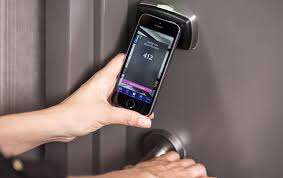
Electronic hotel door locks excel at integrating with broader property management ecosystems, creating operational efficiencies that reduce costs and enhance guest experiences throughout the entire stay cycle. This integration begins at reservation, where booking systems can pre-assign rooms and prepare digital credentials before guests arrive. Upon check-in, front desk staff program room cards in seconds using readers connected directly to property management software. The system automatically configures access permissions, validity periods, and additional privileges based on reservation details, eliminating manual programming steps that consume time and create opportunities for errors. The integration of electronic hotel door locks with mobile applications represents a transformative convenience for modern travelers. Hotels implementing mobile key technology allow guests to bypass front desk interactions entirely, proceeding directly to their rooms upon arrival. Guests download the hotel application, receive digital credentials through secure transmission, and unlock doors using Bluetooth communication between smartphones and electronic hotel door locks. This contactless access proved especially valuable during health concerns but remains popular because it eliminates waiting, simplifies late-night arrivals, and aligns with traveler preferences for digital convenience. Housekeeping management improves dramatically through electronic hotel door locks that communicate cleaning status to central systems. When housekeeping staff enter rooms, the system logs access times and can prompt staff to update room status upon departure. Supervisors monitor cleaning progress in real-time, identifying delays and reallocating resources to maintain schedule adherence. Electronic hotel door locks can also trigger task assignments, notifying maintenance teams when guests report issues or when sensors detect problems requiring attention. This coordinated workflow ensures rooms reach readiness standards before new guest arrivals. Energy management integration delivers substantial operational savings while supporting environmental sustainability initiatives. Electronic hotel door locks communicate occupancy status to building automation systems that adjust climate control, lighting, and ventilation accordingly. When guests leave, thermostats shift to energy-saving temperatures, lights turn off automatically, and ventilation reduces to minimal levels. Upon return, sensors detect credential usage and restore comfort settings before guests enter, ensuring pleasant conditions without wasting energy during absences. These automated adjustments reduce utility consumption significantly across large properties where hundreds of rooms generate substantial energy costs. Guest services benefit from the data generated by electronic hotel door locks. Analytics reveal occupancy patterns, peak access times, and facility usage statistics that inform staffing decisions and service scheduling. Hotels can identify when guests typically leave for dining or activities, scheduling housekeeping visits during these absences to minimize intrusions. Concierge services can anticipate guest needs based on movement patterns, proactively offering assistance or information. Revenue management systems incorporate door lock data when analyzing true occupancy versus booked occupancy, refining pricing strategies and inventory management. The integration capabilities of electronic hotel door locks extend to third-party systems including point-of-sale terminals, spa scheduling software, and recreation facility access controls. Guests use the same credentials for room access, dining charges, and amenity usage, creating unified experiences where single cards serve multiple purposes. This convergence simplifies guest interactions while providing hotels with comprehensive data about service utilization and spending patterns that inform business decisions and marketing strategies.

Long-Term Cost Efficiency and Return on Investment

Long-Term Cost Efficiency and Return on Investment

The financial advantages of electronic hotel door locks extend far beyond initial purchase considerations, delivering compelling return on investment through multiple cost-saving mechanisms and revenue-enhancement opportunities. Understanding these economic benefits helps property owners recognize that electronic hotel door locks represent strategic investments rather than mere expenses. The immediate savings begin with eliminated lock replacement costs. Traditional mechanical locks require complete replacement whenever keys go missing or employees with master key access leave employment. These replacements involve hardware costs, locksmith labor, and guest inconvenience during installation. Electronic hotel door locks eliminate this expense entirely since lost cards are simply deactivated and new credentials issued at minimal cost. For a typical hotel experiencing dozens of lost key incidents annually, this single benefit can recover the system investment within several years. Labor efficiency improvements generate ongoing savings throughout property operations. Front desk staff process check-ins faster because programming electronic hotel door locks takes seconds compared to managing physical key inventories, recording key numbers, and explaining return procedures. Housekeeping supervisors spend less time tracking cleaning progress since electronic hotel door locks automatically log staff access and can integrate with room status systems. Maintenance teams respond to problems proactively based on automated alerts rather than reactively after guest complaints. Security personnel investigate incidents more efficiently using detailed audit trails rather than interviewing numerous potential witnesses. These cumulative labor savings reduce staffing requirements or allow existing staff to focus on guest service activities that enhance satisfaction and encourage positive reviews. Insurance premiums decrease when properties install electronic hotel door locks with comprehensive security features. Insurance providers recognize that improved access control, detailed audit trails, and tamper alerts reduce theft risks and liability exposures. Hotels documenting reduced incident rates often negotiate lower premium rates, creating annual savings that continue throughout the system lifespan. Some insurance carriers offer immediate discounts upon installation of certified electronic access control systems, providing instant financial benefits. Energy savings generated by occupancy-based automation controlled through electronic hotel door locks contribute substantially to operational cost reductions. Hotels implementing integrated systems report energy consumption decreases ranging from fifteen to thirty percent in guest room areas. For properties with hundreds of rooms operating year-round, these savings translate into tens of thousands of dollars annually. The environmental benefits also support corporate sustainability commitments and appeal to environmentally conscious travelers who prefer hotels demonstrating genuine conservation efforts. Revenue enhancement opportunities arise from the improved guest experiences facilitated by electronic hotel door locks. Properties offering mobile key access attract technology-oriented travelers willing to pay premium rates for convenient, modern amenities. Positive reviews mentioning seamless check-in processes and secure access systems influence booking decisions, increasing occupancy rates and enabling higher average daily rates. The professional image conveyed by electronic hotel door locks supports brand positioning strategies that differentiate properties in competitive markets. System longevity ensures extended value realization from electronic hotel door locks. Quality systems operate reliably for ten to fifteen years with minimal maintenance requirements beyond periodic battery replacements. The locks withstand hundreds of thousands of access cycles, and manufacturers provide firmware updates that add features and maintain security standards as technology evolves. This durability means hotels avoid frequent replacement cycles while continuously benefiting from operational improvements and cost savings throughout extended service lives.

Get a Free Quote

Name
Email
Mobile/WhatsApp
Country
Required product types
Approximate project budget or area
0/1000

Get a Free Quote

Name
Email
Mobile/WhatsApp
Country
Required product types
Approximate project budget or area
0/1000